Government’s drive to modernise transport infrastructure has gained momentum as the national roads authority accelerates the rollout of its cashless tolling system.
Officials say the technology will deliver faster, safer and more reliable journeys during the upcoming festive-season peak.
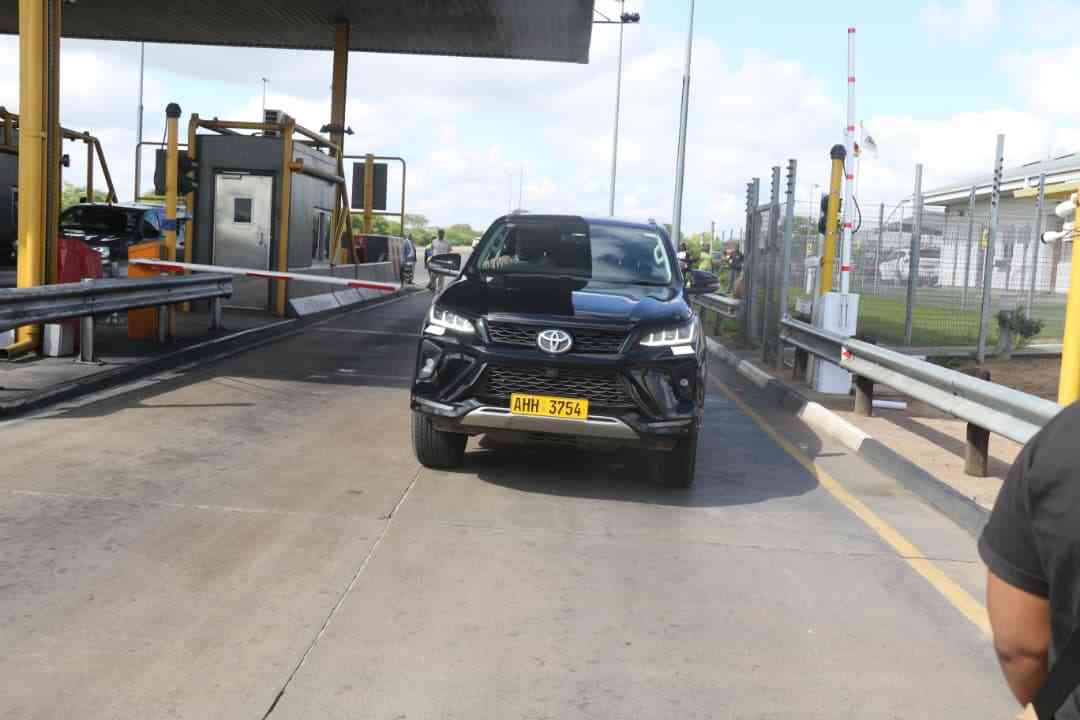
At the Ntabazinduna Toll Plaza outside Bulawayo, the Zimbabwe National Road Administration (Zinara) hosted government officials, transport operators and private logistics firms for a live demonstration of the RFID eTag—an electronic tolling solution launched in December 2024 and now entering an aggressive expansion phase.
Designed to eliminate long queues and cash-handling inefficiencies that have plagued toll plazas for years, the eTag automatically deducts toll fees from a prepaid or linked account as vehicles pass through RFID-enabled lanes. With December traffic volumes expected to reach their highest level since the pandemic, Zinara says the system will help keep highways moving.
Zinara board chairperson George Manyaya described the technology as a “transformational shift” in Zimbabwe’s road-user experience.
“Our new baby, your new baby, is finally here,” he told delegates. “We are widening lanes, upgrading equipment and improving access. And let me emphasise: this lane is not for government officials. It is for everyone. Any motorist can benefit.”
Manyaya added that Zinara is preparing to launch an integrated e-wallet platform to enable seamless top-ups, easier account management and improved connectivity with banks and mobile-money services—an upgrade expected to boost uptake among ordinary motorists.
For travellers and bus operators gearing up for long-distance journeys, the most immediate benefit is speed. Dedicated eTag lanes allow vehicles to pass without stopping, significantly cutting waiting times and improving overall travel efficiency. The system also enhances safety by reducing congestion-related risks, especially along highways notorious for holiday queues.
- Zinara defends ‘questionable’ Univern deal
- Zinara and VID deal raises eyebrows
- Zim roads, bridges have outlived lifespan: Govt
- How to be successful in debt collection
Keep Reading
Transport analysts say the eTag moves Zimbabwe closer to regional best practice. Beyond convenience, the platform provides digital transaction records—an advantage welcomed by fleet owners who can now track expenses, monitor routes and plan more accurately using real-time data. Reduced idling at toll gates also lowers fuel consumption at a time of high operating costs.
Environmental benefits, though indirect, are also notable. Less idling means lower emissions at toll plazas, many of which sit near fast-growing residential and peri-urban communities. Zinara officials say the technology supports Zimbabwe’s broader climate-resilience goals.
The country’s transport and logistics sector—central to mining exports, agricultural supply chains and cross-border trade—has been hampered for years by manual tolling delays. The new system is expected to improve predictability along the North–South Corridor, one of Southern Africa’s most critical trade routes. With Zimbabwe courting new investment in manufacturing, mining and agro-processing, improved infrastructure reliability is increasingly seen as a competitive advantage.
Although initial public scepticism followed the system’s launch last year, confidence has grown as more motorists experience the benefits of cashless tolling. Zinara says uptake among commercial fleets has been strong, helping operators and technicians refine the system.
Manyaya’s assurance that eTag lanes are open to all motorists—addressing rumours they were reserved for politically connected users—signals Zinara’s push to build trust through transparency. The planned rollout of an e-wallet and wider awareness campaigns is expected to make registration easier for smaller transport operators and private motorists.
With millions of Zimbabweans set to travel between cities and border posts from mid-December, the coming weeks will be a crucial test of Zinara’s digital tolling investment.