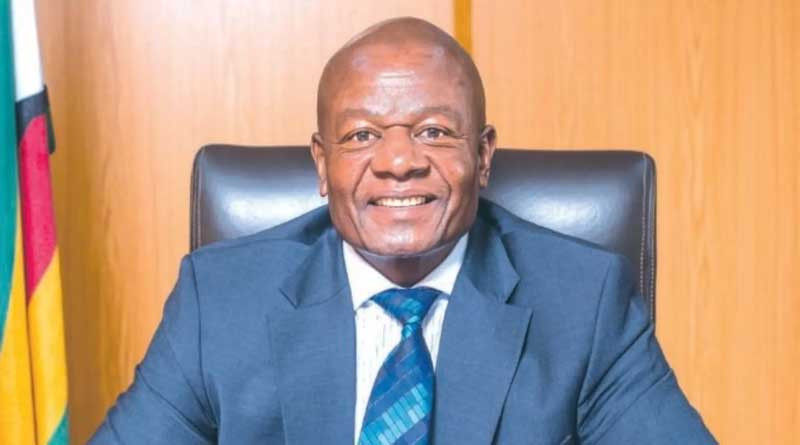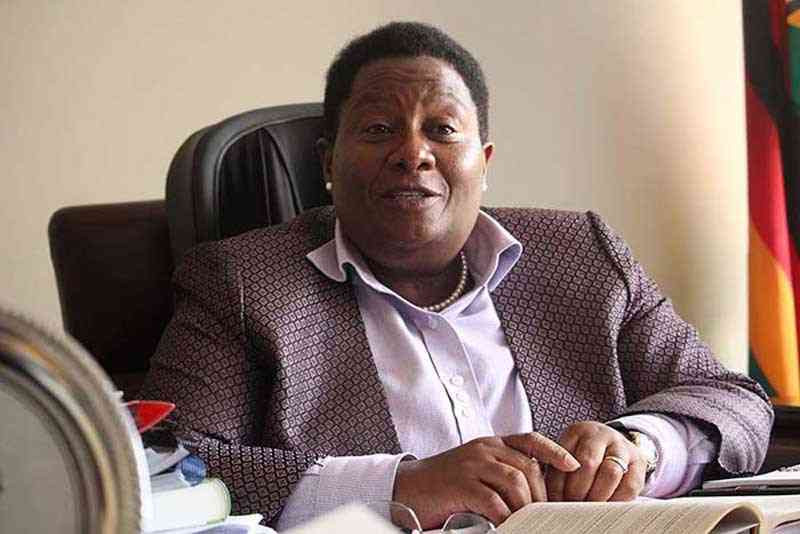
THE Prosecutor-General (PG), Loyce Matanda-Moyo, has directed prosecutors to exercise extreme caution when handling bail and sentencing proceedings, amid a worsening prison overcrowding crisis in the country.
In a memorandum addressed to deputy prosecutors-general, chief directors of prosecution, chief public prosecutors, district public prosecutors and public prosecutors-in-charge, Matanda-Moyo warned that Zimbabwe’s prisons currently hold 27 683 inmates, exceeding the official holding capacity of 17 800 by 9 883.

“This situation is undesirable. This, therefore, is a directive to all public prosecutors to have this in mind when dealing with bail and sentences. Only in deserving cases should prosecutors advocate for custodial sentences,” the memo dated January 7 2026, read.
The directive urges prosecutors to consider fines, community service or other non-custodial alternatives wherever appropriate.
“Of the total incarcerated, 5 970 represent unconvicted accused persons. Our law scoffs at pre-trial incarceration. An accused is presumed innocent until proven guilty,” the memo read.
“Generally, it is undesirable for an unconvicted person to be denied his or her liberty except in exceptional circumstances (section 49 of the Constitution as read with section 70(1)(9) of the Constitution of Zimbabwe Amendment (20) Act 2013). Also, see section 115C of the Criminal Procedure and Evidence Act.
Matanda-Moyo said an accused is entitled to bail unless the court finds that it is in the interest of justice that the accused be detained in custody pending trial.
- ‘PG sitting on 265 graft cases’
- Unpacking environmental laws for real estate in Zimbabwe
- Village Rhapsody: Govt must ensure that devolution works
- Parly turns heat on minister over varsity fees hike
Keep Reading
“In other words, the State must prove on a balance of probabilities that there are ‘compelling reasons justifying the accused's detention pending trial’. A prosecutor cannot simply, without any justification, submit for detention of an accused person in custody,” the memo read.
“In view of the above, it is directed as follows: All provinces shall cause a re-visit on the amounts of bail levied upon accused persons in detention.
“If it is apparent that the accused does not afford such sums, there must be alternative conditions to bail instead of monetary payments.
“All accused remanded in custody, facing petty offences, must be admitted to bail on appropriate conditions. Prosecutors must make use of the fast-track courts in urgently dealing with all non-complex cases where the accused is likely to get a non-custodial sentence.”
Matanda-Moyo also directed that prosecutors ensure that no accused persons are detained beyond six months without trial except for serious offences and exceptional reasons.
The PG’s directive follows repeated warnings from Parliament about the rot in Zimbabwe’s correctional facilities.
A joint parliamentary report last year revealed overcrowding, decaying infrastructure and poor healthcare, forcing inmates to sleep on the floor and rely on unhygienic bucket toilets due to non-functional sanitation systems.
Some facilities are operating at over 300% capacity, with Marondera and Gwanda prisons — both over a century old — struggling to meet basic needs.
Gwanda Prison, for instance, holds 210 inmates against a 60-person capacity, leading to multiple cases of tuberculosis and skin diseases. Chikurubi Maximum Security Prison houses 2 689 inmates in facilities designed for 1 114, highlighting the severity of the crisis even in the country’s highest-security facility.
Pre-trial detention of thousands, prolonged trials and unaddressed minor offences have ballooned the inmate population, creating humanitarian and public health risks that the country can no longer ignore. Analysts say the PG’s intervention signals an urgent call for judicial accountability and reform to prevent the prisons from becoming a breeding ground for disease and despair.