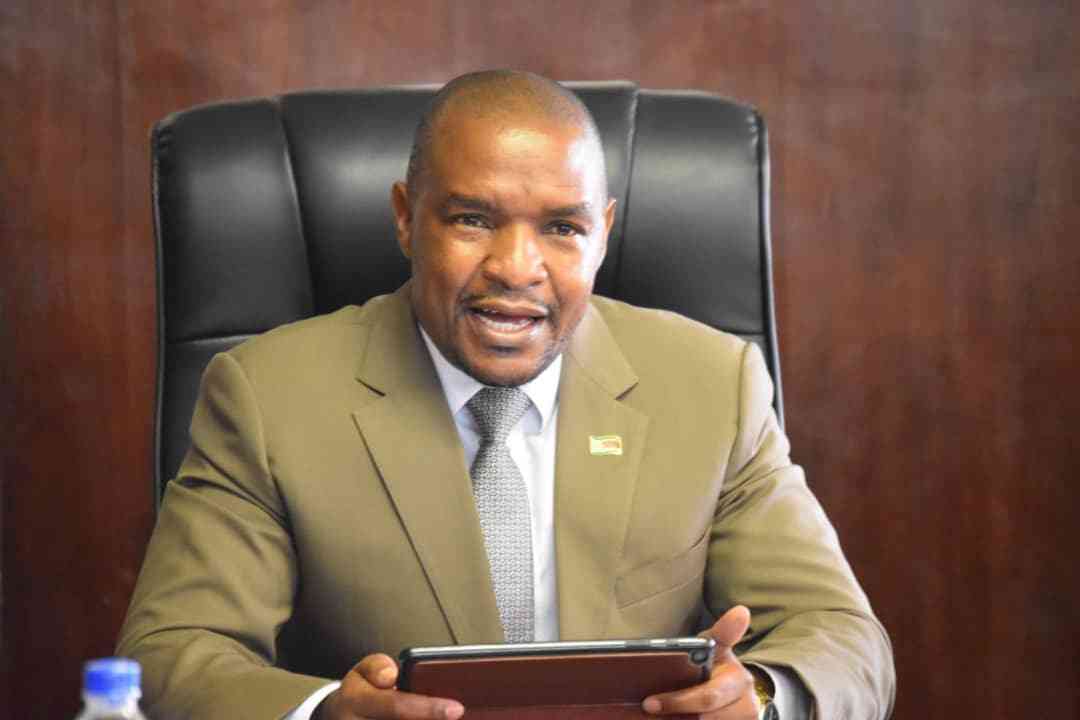
HARARE, Jan. 12 (NewsDay Live) – Transport minister Felix Mhona has issued a blunt warning to motorists, describing Zimbabwe’s mounting road death toll as “largely preventable” and urging drivers to change their behaviour as thousands of schoolchildren return to the roads for the new term.
Underscoring the scale of the crisis, Mhona revealed that at least 100 people were killed and 471 injured in road traffic crashes between December 15 and 26, 2025 alone — a period marked by heavy festive travel and deteriorating road conditions.
With schools reopening, he said children now face heightened risk from speeding, unroadworthy vehicles and reckless driving.
“As schools reopen for the first term, thousands of learners will be travelling daily to and from school. Their safety depends on the vigilance and responsibility of every motorist. During the period December 15 to December 26, 2025, Zimbabwe lost 100 lives and recorded 471 injuries due to road traffic crashes — tragedies that were largely preventable.
“Too many of these accidents are caused by unroadworthy vehicles, reckless speeding, driver fatigue and dangerous decisions such as attempting to cross flooded rivers,” Mhona said.
Road traffic accidents remain one of Zimbabwe’s deadliest public safety failures, routinely spiking during peak travel periods.
Authorities have long blamed a lethal mix of ageing vehicles, weak enforcement, alcohol abuse and hazardous driving practices, including attempts to cross flooded rivers during the rainy season.
Mhona singled out speeding as a leading cause of fatal crashes, dismissing it as “not a demonstration of skill but a direct path to disaster”. He also condemned vehicle overloading, drunk driving and fatigue, warning that such conduct “destroys families” and would be met with prosecution.
- 340km of Harare-B/bridge highway revamp complete
- Airports Company strikes mega hotel deal
- Chinese chrome smelters wreak havoc on Gweru’s roads
- 340km of Harare-B/bridge highway revamp complete
Keep Reading
“I therefore urge all drivers to ensure their vehicles are properly maintained and roadworthy, to rest adequately before long journeys, and to avoid defective vehicles that put lives at risk. Speed limits must be respected, for speeding is not a demonstration of skill but a direct path to disaster. Overloading vehicles and driving under the influence of alcohol are reckless acts that destroy families and will be prosecuted. Road safety is not only a legal obligation but a moral duty.
“Every motorist carries the responsibility of ensuring that children arrive at school safely and that every traveller returns home alive. By obeying traffic laws and exercising vigilance, we can make this school term accident-free.”
Framing child safety as a national responsibility, Mhona said every motorist bears the burden of ensuring learners reach school safely and that families are not plunged into grief by preventable crashes.
To stem the rising death toll, he announced intensified joint enforcement operations involving the Zimbabwe Republic Police, the Vehicle Inspectorate Department, road motor transportation authorities and the Traffic Safety Council of Zimbabwe.
He said the coordinated blitz would combine roadblocks, vehicle inspections and public awareness campaigns throughout the school term.
“These measures are designed to save lives, not punish,” Mhona said. “Compliance is the surest way to protect our children and safeguard our nation’s future.”
However, road safety advocates argue that enforcement alone will not solve the crisis. They continue to call for sustained investment in road infrastructure, stricter regulation of public transport operators and tougher penalties for repeat offenders.