HARARE, Feb. 6 (NewsDay Live) - Government has concluded final public consultations on the Road Accident Fund Bill, clearing the way for one of the most far-reaching overhauls of the country’s road traffic compensation system since independence.
The consultations, held in Harare this week, mark the last stage before the bill is tabled in parliament, signalling the government’s determination to replace the current fault-based insurance regime with a non-fault Road Accident Fund designed to fast-track compensation for all road traffic accident victims.
Transport minister Felix Mhona said the new framework would fundamentally rebalance responsibility between the state and insurers while easing the financial burden on motorists and accident victims.
“The sharing of the burden between government, through the Road Accident Fund, and the insurance industry will go a long way to cushion members of the public using their premiums,” he said.
At the centre of the reform is a decisive break from the existing system, which requires injured parties to prove liability before receiving compensation, a process that often involves police reports, witness testimony and prolonged legal disputes.
Under the proposed non-fault mechanism, compensation would be paid regardless of who caused the accident.
“The Road Accident Fund is a game changer,” Mhona said. “It will cut delays in claims processing. It is common cause that injured parties currently experience significant delays in receiving third-party motor vehicle insurance settlements, resulting in financial hardship when medical bills must be paid or income has been lost.”
Road traffic accidents remain a significant economic and social cost in the country, with victims frequently forced to absorb expenses for treatment and rehabilitation while claims are contested.
- 340km of Harare-B/bridge highway revamp complete
- Airports Company strikes mega hotel deal
- Chinese chrome smelters wreak havoc on Gweru’s roads
- 340km of Harare-B/bridge highway revamp complete
Keep Reading
Legal practitioners and consumer advocates have long criticised the fault-based model as inaccessible, slow and tilted in favour of insurers.
Mhona said the complexity of the current claims framework had effectively locked many citizens out of compensation.

“The claims process is intricate and challenging to navigate without legal expertise, leading to frustration for many claimants,” he said.
The proposed fund would extend coverage to all citizens involved in road traffic accidents, including vulnerable road users such as pedestrians and cyclists, positioning it as a broader social safety net rather than a narrow insurance product.
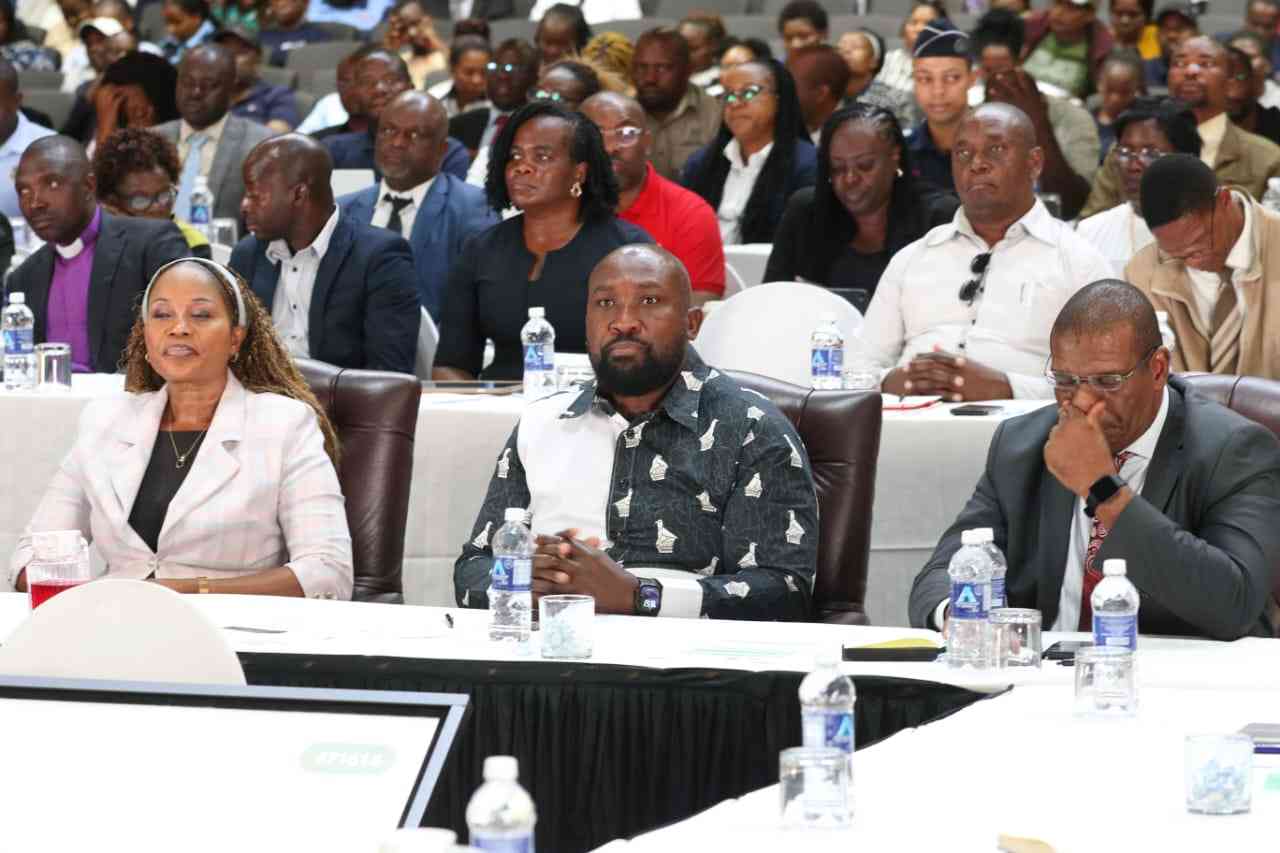
Stakeholders at the final consultations, including insurers, lawyers and civil society groups focused on funding structures, governance safeguards and measures to prevent abuse.
While insurers have cautiously welcomed the shared-risk model, concerns remain over long-term sustainability and transparency.
With consultations now closed, the government is expected to push the bill through parliament in the coming months. If passed, the legislation would represent a significant shift towards collective risk-sharing at a time of strained household incomes and a critical test of the State’s capacity to manage a national compensation fund.