BULAWAYO province recorded a sharp increase in new sexually transmitted infections during the third quarter of 2025, raising concern about continued indulgence in unprotected sex, the National Aids Council (Nac) has said.
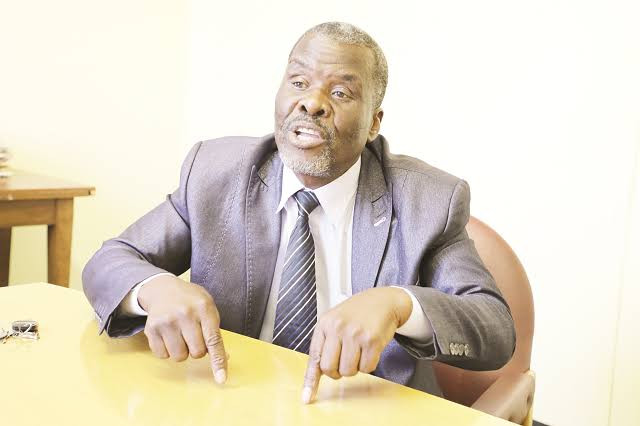
The surge was revealed by Bulawayo Nac provincial coordinator Douglass Moyo during a media engagement meeting held in Esigodini on Friday last week.
He warned that untreated STIs increase susceptibility to HIV infection.
“So HIV prevention is very critical to STIs like syphilis, gonorrhoea, chlamydia that increase HIV susceptibility and serve as markers for high-risk behaviour,” Moyo said.
“If you walk into any facility be it a private doctor or a clinic with an STI, this is clear evidence that there is somebody who exposes themselves through having condomless sexual activity or who had an accident somehow during a sexual encounter, just like someone who walks into a clinic while pregnant, its evidence they have done unprotected sex because there is no way they could get pregnant.”
He said in the first quarter, Bulawayo recorded 2 194 new STI cases, with 4% testing HIV-positive.
A total of 344 sexual diseases were treated.
In the second quarter, new STI cases declined to 1 400, with the HIV positive rate remaining at 4%, while 233 contacts were treated.
- Zim food price inflation ranks 2nd globally: WB
- Bulls to charge into Zimbabwe gold stocks
- Zim headed for a political dead heat in 2023
- In Full: eighteenth post-cabinet press briefing June 28, 2022
Keep Reading
Moyo said the decline required further investigation to determine whether it reflected genuine behavioural change or data-capturing challenges.
“This is a cause for concern. When we look at the trend, if we are making any progress, look at the number in the first quarter and compare it with the third quarter; it is going up. If you are to draw a trend line from the first quarter to the second and third, it will go down and up,” he said.
The HIV positive rate in the third quarter was 5%, while 399 contacts were treated.
Moyo said it must be noted that for anyone who presented with an STI, it was clear that the person was in a sexual network and it was not known how wide the network could be.
In the first quarter 1 039 males and 1 155 females were recorded.
In the second quarter, there were 704 males and 686 females, while in the third quarter, males and females were 1 205 and 1 334, respectively.
Among those who were recorded, there were repeat infections in which the clients were coming for the second time with
infections.
Moyo said in the first quarter, there were 446 repeat males and 320 repeat females.
In the second quarter, there were 305 repeat males and 240 repeat females, while in the third quarter, that number rose to 371 for males and 273 for females, a
development Moyo said showed that sexual behaviour had not changed.