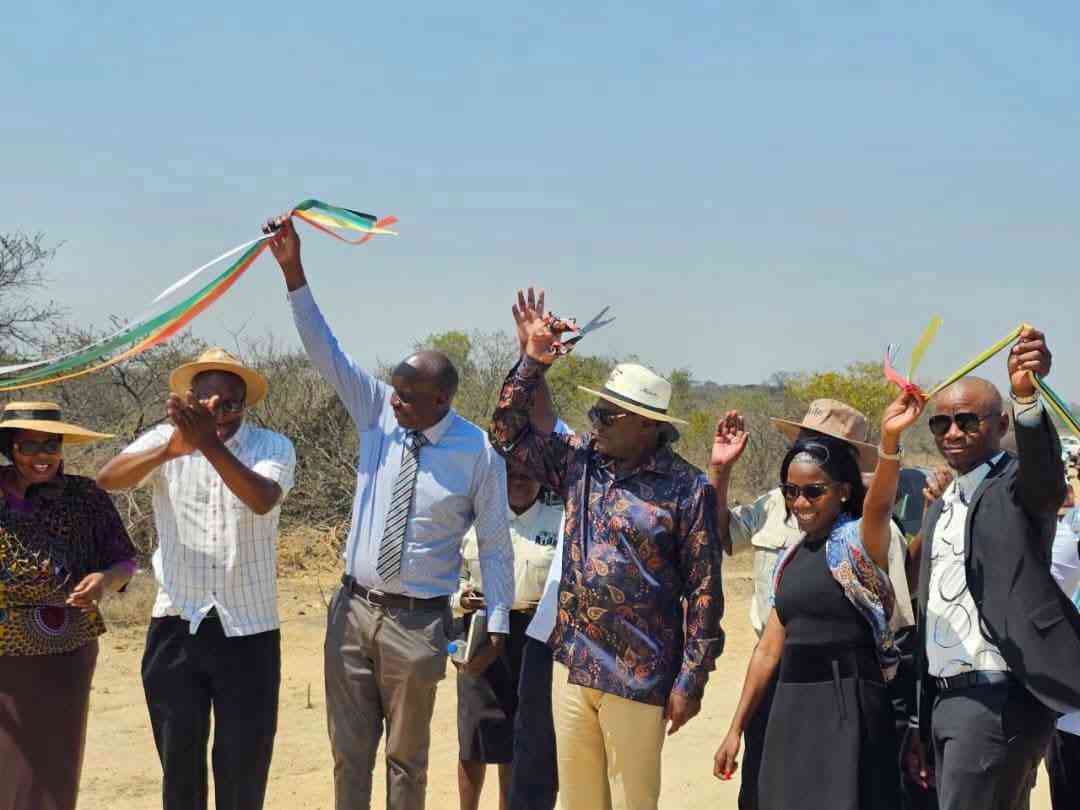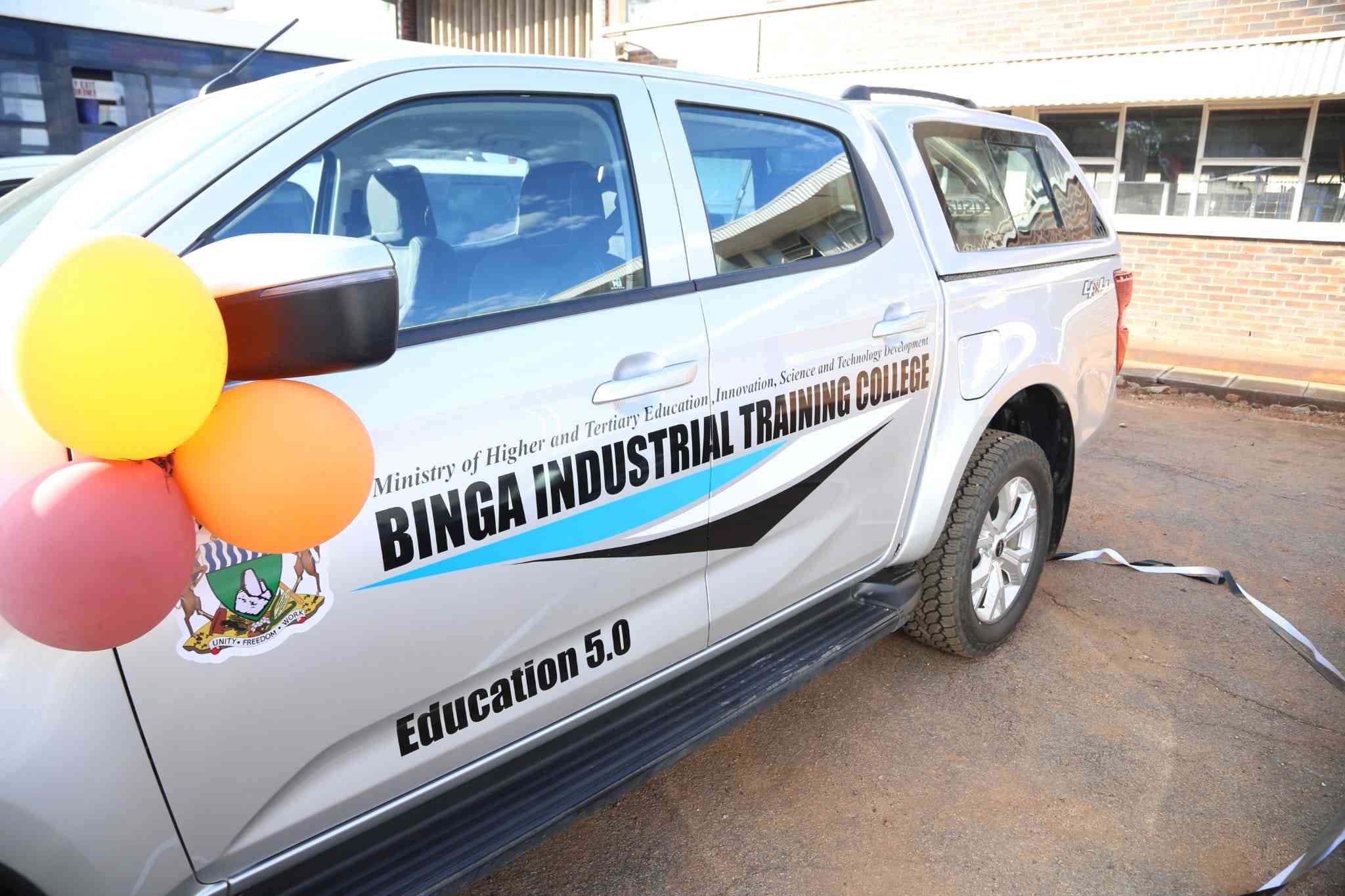
In the remote Saba area of Binga, where poverty, limited access to education and environmental risks intersect, a government-led vocational skills programme is offering women and youth an alternative pathway out of vulnerability and long-standing marginalisation.
Implemented under the Climate Adaptation, Water and Energy Programme (CAWEP), with support from the United Nations Development Programme (UNDP) and the Foreign, Commonwealth and Development Office (FCDO), the initiative has trained more than 200 youths in practical trades including sewing, welding, building, cosmetology and solar installation.
While the programme has already begun transforming livelihoods, traditional leader Chief Saba, born Charles Mudenda, said skills development must go hand in hand with addressing education gaps and child vulnerability in the Zambezi Valley district.
Binga remains one of Zimbabwe’s most educationally disadvantaged districts, characterised by long distances to schools, poverty-induced dropouts and limited household capacity to support learning.
In line with the new language-in-education policy, children in the area are now taught in Tonga at early learning levels, alongside English.
“At school, the children now learn Tonga and English. We don’t have Ndebele or Shona, and we don’t have a problem with that,” Chief Saba said.
However, he noted that cultural practices and economic hardship continue to undermine school attendance.
“Here, some families are polygamous and end up with many children," he said.
- Letter to my people: Mthuli Ncube is mounting a dead horse
- Arbitration insights: The origins of commercial arbitration
- News in depth: Mnangagwa administration elbows out British investor under a cloud
- Letter to my people: Mthuli Ncube is mounting a dead horse
Keep Reading
"Eventually, parents fail to take all of them to school.
"Even though donors help some children, there are still many who do not attend school at all."
Chief Saba said the community urgently needs more education partners to support vulnerable children with school fees, uniforms and learning materials.
“We wish to get more donors so that these children can attend school and have a future,” he said.
Beyond education, the chief raised concern over child safety, particularly incidents involving children fishing in the Zambezi River without proper equipment.
“If you look at most children who are attacked by crocodiles, they go into the Zambezi River without boats," he noted.
"They use dangerous methods to catch fish, and because they are vulnerable, they get attacked.
"We have lost many children this way."
He said equipping communities with safer fishing skills, boats and alternative income sources could reduce the risks faced by children who resort to fishing to support their families.
It is in this context that vocational skills training has emerged as a critical intervention.
According to Chief Saba, such programmes reduce dependency on risky survival strategies while equipping youths to earn a living within their communities.
“The other thing we wish for is that these vocational skills trainings come in large numbers so that many children and youths get trained and work for themselves,” he said.
Women and youths who have undergone training in Saba say the programme has shifted them from dependency to self-reliance.
Beneficiaries are now running small businesses, producing goods for local markets and training others who did not initially qualify.
The programme has also incorporated business management training and access to small loans, enabling some participants to expand informal trading into sustainable enterprises.
Chief Saba believes expanding vocational centres could fundamentally change the future of the area.
“Waiting for formal employment is very difficult," he said.
"Some youths do not have enough qualifications, while others are gifted in craft work.
"If we have more vocational training centres, Saba Village will transform into a better place, including for our children,” he said.
As climate change, poverty and limited infrastructure continue to shape life in Binga, community leaders say integrated development approaches — combining education support, skills training and entrepreneurship — are key to breaking cycles of vulnerability.
For Saba, the vocational training centre has become more than a skills hub, it is increasingly viewed as a foundation for social stability, youth empowerment and long-term community resilience.
“We are happy with this programme,” Chief Saba said.
“Now we just hope it grows, so no child or youth is left behind.”