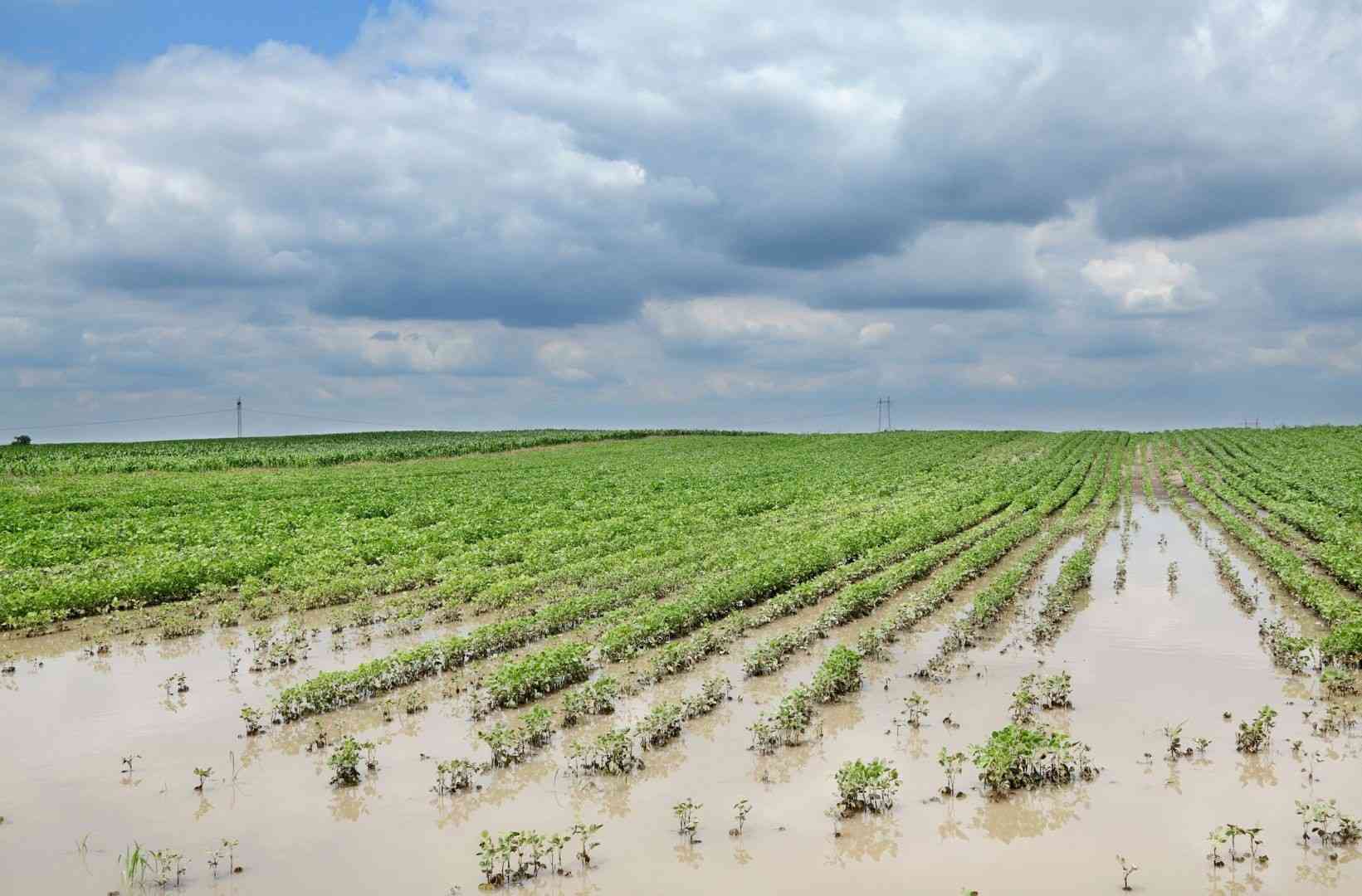
FARMERS in the Matabeleland region say they are likely to harvest less yields due to waterlogging following incessant rains that have been experienced in the region.
The farmers told Southern Eye that their crops have turned yellow due to excessive leaching.
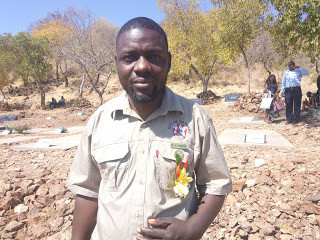
Matabeleland South Senator Solani Moyo said they are now beginning to lose hope following excessive rains that have submerged their crops.
“Our crops have been waterlogged, we no longer hope that they will recover from this situation,” Moyo said.
“Our hope is now placed upon our livestock.
“We know they will survive from hunger this year.
“It is better to suffer from hunger while there is water than to experience water scarcity for our livelihoods.”
Another farmer in the Siphepha area of Tsholotsho, Anele Ncube, said they are looking for top dressing fertilisers to address the challenge.
- Khupe campaign vehicle impounded
- CCC content with candidate selection process
- Vandals tear down CCC poll posters
- CCC Mat South berates Tshabangu
Keep Reading
“We are looking for top dressing fertiliser particularly Ammonium Nitrate or urea, we think this will cure our crops,” Ncube said
Agriculture Rural Development and Advisory Services chief director Meldlinah Magwenzi said waterlogging harasses farmers when there are excessive rains.
“The condition steals the crop vigour and stunts it because of poor aeration in the soil and nutrients uptake. The bottlenecks can be unlocked through Improved drainage system,” Magwenzi said.
She highlighted that other means include effective and efficient drainages constructed to lead excess water out of the field, adding that these can be contour ridges, subsurface drains or even open plough made ditches.
She added: “Waterlogging can be minimised by use of the existing gradient slope of the field, this creates good water run off
constructively.
“At times, guide the flow of water in the field by use of piping where necessary.”
Magwenzi further stated that Pfumvudza/Intwasa/Conservation agriculture can be a sustainable, double profit intervention on this condition.
“The mulch used can turn out to be manure, compost fertilizer in the soil resulting in the improving the soil structure for porosity and aeration,” she said.
“This will allow water to infiltrate and break up compacted soil for better drainage.”
She underscored the need for farmers to raise beds for planting, saying the plant will be on top of the ridge and exposing roots to aeration, leading to better drainage.
Magwenzi also urged farmers to take note of good agronomic practices.
“It is good to pay attention to weather forecasts because a farmer can decide to do dry planting, that is sowing earlier than the onset of rains.
“The floods would find the crop stand already established, hence minimum impact.”