The National Aids Council (NAC) Bulawayo Metropolitan Province has reached more than 10 000 people, including prisoners and sex workers, through its HIV and Aids prevention programmes.
The intervention forms part of a targeted public health response focused on key and vulnerable populations, aiming to expand HIV testing, prevention uptake and treatment linkage across Bulawayo’s high-risk groups, including inmates, sex workers, adolescents and other marginalised communities.
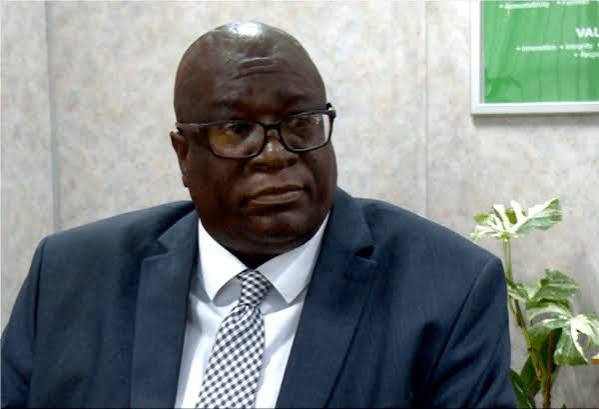
This was revealed by NAC Bulawayo programmes officer Douglas Moyo during a media engagement meeting held in Esigodini last Friday.
In an update presentation for 2025 on the district response initiative and key populations prevention, Moyo said the programme targeted key and vulnerable groups, including prisoners and sex workers.
He said 10 950 comprising key population groups were reached, while 7 445 were tested, with 200 testing positive for HIV.
“On pre-exposure prophylaxis, 534 females and 270 males were initiated,” he said.
Moyo said sex workers were also reached, with strong female participation recorded — 4 124 reached and 2 665 tested.
He also said prisoners were targeted, with 5 336 male prisoners reached, while no female prisoners were reached, presenting a critical gap.
- City ranks low in child marriages
- Cont was a doyen of the arts
- Binga pastor, businessman murdered in cold blood
- City ranks low in child marriages
Keep Reading
“On transgender, there was low testing uptake and no ART initiations recorded,” Moyo said.
He said under the district response initiative model, they worked across six districts with 116 mentors.
Moyo also said they conducted Sista2Sista engagements targeting four districts and 40 mentors, resulting in 1 936 mentees (97% of the target) and five HIV-positive cases identified.
He added that the Brotha2Brotha (B2B) model was implemented in three districts with 30 mentors, reaching 1 265 boys, while 84% were referred for HIV testing services.
“The referral was good with the Brotha2Brotha. Why we emphasise that is because we are trying to see the involvement of these young men and make sure that they participate in programmes to ensure they access health services. These are young men aged 10 to 24, hence we emphasise their involvement,” Moyo said.
On the Determined, Resilient, Empowered, Aids-free, Mentored and Safe programme, Moyo said in Bulawayo South, only 598 girls completed Person-Centred Care (a healthcare approach) and Parent-Child Communication (an HIV prevention and disclosure intervention).
He said under peer-led sessions across three districts, 754 peers were reached, with 19 HIV-positive cases identified, the highest yield among DRI models.