A COALITION of South African civil society organisations has approached various arms of State and international bodies calling for an immediate ban on anti-immigrant groups that are allegedly fuelling xenophobic violence, hate speech and vigilantism across the neighbouring country.
In two letters written this month, the organisations led by Global South Against Xenophobia (GSAX), said the vigilante groups were promoting xenophobia, vigilantism, hate speech and violence against foreign nationals, asylum seekers and refugees.
The letters were addressed to President Cyril Ramaphosa, Cabinet ministers, the South African Human Rights Commission, the Independent Electoral Commission and the United Nations.
GSAX accused the groups — Operation Dudula and March and March — of targeting undocumented migrants, refugees, asylum seekers and foreign nationals in their attacks.
It said public warnings from the presidency and police authorities had been largely ignored as the groups continue to mobilise supporters through social media campaigns and public demonstrations aimed at “rooting out illegal foreigners.”
“Operation Dudula and March and March are persisting in their vigilantism against foreign nationals and others, despite public warnings by the president and the acting Minister of SAPS,” the organisations said.
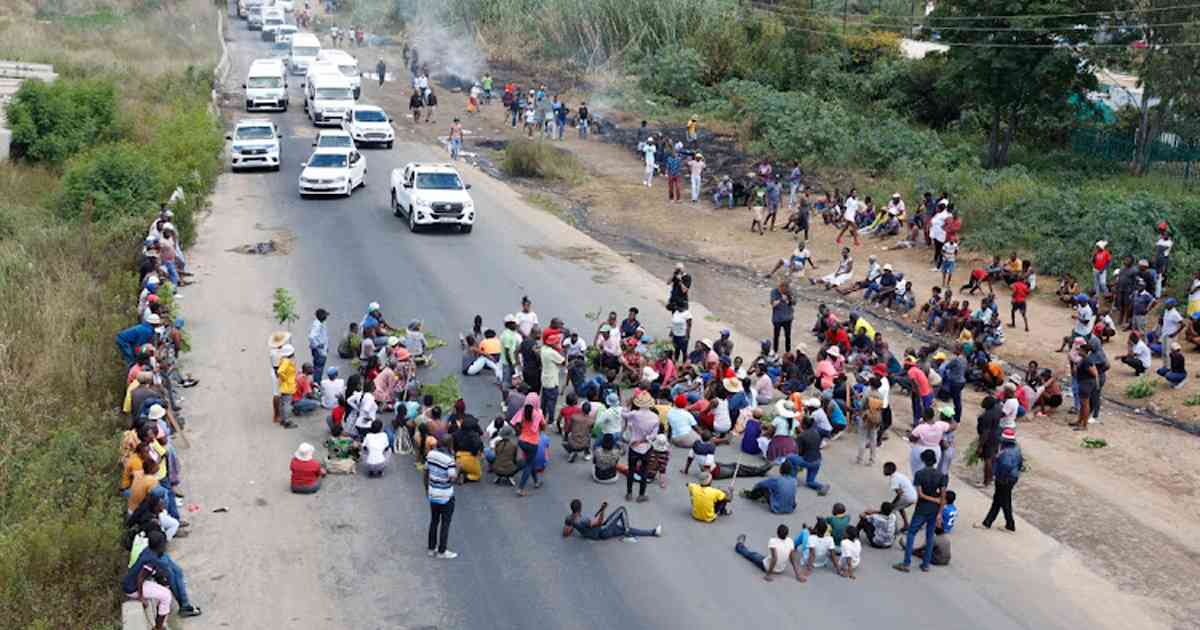
“In fact, they are acting with increased intensity and spreading to other provinces, such as the Western Cape and Mpumalanga, and ongoing violence in KwaZulu-Natal, Eastern Cape, Gauteng and North-West.
“They announced on social media that they will continue rooting out ‘illegal foreigners’ or all ‘foreigners’, ie black working class and poor asylum seekers, refugees and immigrants,” the coalition wrote.
- Zim headed for a political dead heat in 2023
- Power crisis needs practical solutions
- Record breaker Mpofu revisits difficult upbringing
- Dangers of Arab Spring in SA
Keep Reading
“They display hate speech, discrimination and intentions to cause bodily harm and property destruction.”
The coalition expressed concern over political support allegedly being given to the movements.
“It is concerning that some politicians and parties are openly supporting Operation Dudula and March and March,” GSAX said.
It said the anti-immigrant campaigns posed a serious threat ahead of South Africa’s 2026 local government elections calling on authorities to intervene immediately to prevent further instability.
“This is a critical window period for de-escalation via the State taking control to prevent social, economic and political destabilisation, deaths, injury and more destruction of property,” the coalition said.
It argued that constitutional rights are being violated through xenophobic attacks and discrimination.
The coalition also detailed what it called a “factual matrix and evidence” of violence linked to the anti-immigrant groups.
“GSAX relies on publicly available and documented evidence including assaults and killings of foreign nationals, forced eviction from residences and informal settlements and destruction of businesses owned by migrants,” it said.
GSAX accused authorities of failing to respond adequately during some incidents citing “evidence of police inaction or acquiescence during incidents of mob violence.”
In its request for relief, GSAX called on authorities to launch investigations and court proceedings under the Promotion of Equality and Prevention of Unfair Discrimination Act.
It called on the South African Human Rights Commission to “urgently initiate a formal investigation” and to seek “interdicts against identified organisations.”
The group further called for “criminal accountability” and urged the State to “consider recommends for the prohibition or regulation of organisations whose primary activities are unlawful and unconstitutional.”
GSAX demanded the arrest of the leaders of the two groups for breaking the law while calling for investigations into their funding sources.
The most controversial part of the letters was an addendum linking the rise in xenophobic violence to global geopolitical tensions surrounding South Africa’s case against Israel at the International Court of Justice over Gaza.
“This addendum urges investigation into the funding of Operation Dudula and March and March, based on perceptions and allegations by many in the republic that the recent escalation of anti-immigrant violence is connected to current geopolitical tensions,” the statement said.
The coalition alleged that “right-wing xenophobic and anti-immigrant groups are organising against foreigners . . . for cynical reasons aimed at gaining political leverage via undemocratic means.”
It further claimed that there are fears that instability can be used to pressure South Africa internationally.
“Their possible intention is destabilising the republic to force withdrawal of our case of genocide in Gaza against Israel at the International Court of Justice,” the addendum alleged.
GSAX warned that failure to act could have severe consequences, adding that the continued existence and activities of these organisations presented an imminent risk of escalated violence, including racially and ethnically motivated conflicts.
The organisation appealed to ordinary South Africans to reject xenophobia and embrace unity.
“Xenophobia will not fix poverty, unemployment and crime but creates more fear and pain in our communities,” the letter read.
“Ubuntu means we work together to protect peace, human rights and the dignity of all people.”