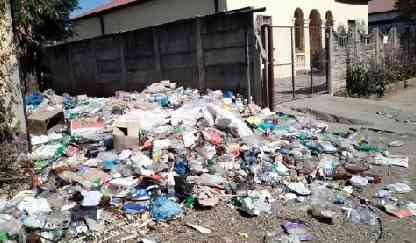
Concerns are mounting in Bulawayo over increasing cases of illegal dumping and the burning of waste in residential areas, with local leaders warning that the practices are contributing to environmental pollution, posing serious public health risks.
Councillors warned of rising environmental damage as they urged residents to adopt proper waste disposal practices.
Bulawayo Ward 25 councillor Aleck Ndlovu said the burning of litter has become a dangerous habit that worsens air pollution and threatens the health of residents, particularly in densely populated communities.
Ndlovu said illegal dumping continues to undermine the city’s waste management system, which is funded through rates paid by residents.
“Some residents are not making full use of the waste collection services provided by the council,” he said.
“Dumping waste in open spaces creates environmental hazards, attracts disease vectors, and can lead to outbreaks of illnesses such as typhoid and cholera.”
Ndlovu added that accumulated waste is often set on fire, a practice, he said, releases toxic fumes, destroys ecosystems, and may damage property.
He urged residents to dispose of waste responsibly and support efforts to keep the city clean.
- Health Talk: Improper waste management triggers diseases
- ‘Govt to blame for poor service delivery’
- Bowser drivers divert water to families, friends
- ‘United effort key in fight against environmental degradation’
Keep Reading
Ward 15 councillor Ashton Mhlanga highlighted ongoing challenges in Cowdray Park, where poor road infrastructure limits access for refuse collection vehicles.
Mhlanga said this has affected the city’s ability to provide consistent door-to-door waste collection services in some areas.
“Cowdray Park remains an unserviced area, with residential houses in place but no proper road infrastructure,” he said.
“As a result, the city council is unable to access certain parts of the suburb, making it difficult to carry out regular waste collection services.”
To address the challenge, he said the local authority has established designated legal waste collection points for areas that are difficult to access.
While this has improved waste management in parts of the ward, illegal dumping remains a concern due to non-compliance by some residents.
“We have engaged communities and encouraged them to use the designated waste collection points,” he said. “Awareness campaigns are ongoing, but we continue to face challenges from those who disregard proper procedures.”
Mhlanga added that long-term infrastructure development, including road construction and servicing of residential stands, would improve waste collection efficiency.
Ward 28 councillor Ntando Ndlovu stressed the importance of proper solid waste management in accordance with city bylaws.
He said waste from households, businesses, and commercial areas should be properly collected in bins and transported to designated landfill sites.
He noted that modern waste management increasingly views refuse as a resource, with recyclable materials such as bottles, tins, and cardboard being repurposed into useful raw materials for industry.
“This is a positive development that should be embraced,” he said.
However, Ndlovu expressed concern that while some residents understand proper waste disposal practices, others remain unaware or fail to comply with regulations.
“There are residents who understand the importance of proper waste management; however, there are also those who remain unaware of the correct methods for handling and disposing of waste,” he said.
Ndlovu called for continued public education and greater community responsibility, saying effective waste management depends on cooperation between residents and local authorities.
The continued rise in illegal dumping and the burning of waste is worsening environmental conditions across residential areas, with mounting piles of litter and recurring fires increasingly threatening public health, polluting the air, and damaging the surrounding environment, and communities bearing the impact