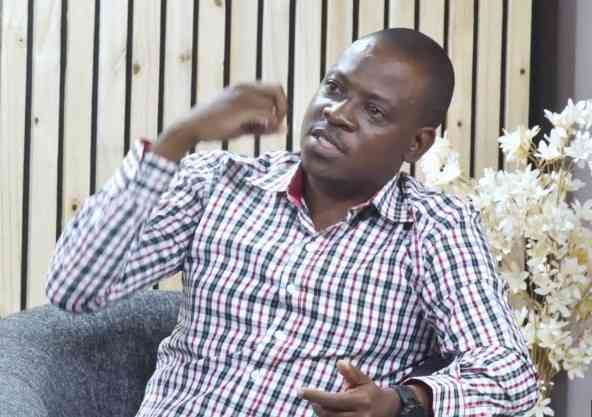
Lobengula-MAGWEGWE legislator Tendai Nyathi has challenged proponents of the Constitution of Zimbabwe Amendment (No 3) Bill (CAB 3) to explain how the proposed constitutional changes will improve the lives of ordinary Zimbabweans, particularly those in the Matabeleland region.
Speaking during the second reading debate of CAB 3 in the National Assembly, Nyathi said his constituents were concerned that the proposed amendments focused on political structures while failing to address pressing socio-economic challenges such as water shortage, poor infrastructure, unemployment and regional marginalisation.
CAB 3 proposes sweeping constitutional changes, including replacing the direct election of the President with election by Parliament, extending presidential and parliamentary terms from five to seven years, transferring voter registration responsibilities from the Zimbabwe Electoral Commission (Zec) to the Registrar-General’s Office, and abolishing the Zimbabwe Gender Commission and the National Peace and Reconciliation Commission.
Nyathi said residents were not opposed to Parliament electing the President, but wanted guarantees that such a system would enhance accountability.
“They ask if there will be guarantees that the President elected by Parliament will be accountable, like what we see happening in South Africa, where the President comes and joins parliamentarians and answers questions,” he said.
The legislator lamented that since entering Parliament in 2023, he has never had an opportunity to directly question President Emmerson Mnangagwa.
Nyathi also raised concern over proposals to transfer voter registration and management of the voters’ roll from Zec to the Registrar-General’s Office.
“While it is progressive that registration should be done by the Registrar-General, the running of elections should be done by an independent body,” he said.
- Mr President, you missed the opportunity to be the veritable voice of conscience
- ED to commission new-look border post
- Zanu PF ready for congress
- EU slams Zim over delayed reforms
Keep Reading
On traditional leadership, Nyathi warned that allowing chiefs to participate directly in politics can undermine the dignity and neutrality of the institution of chief.
“It is not proper for our chiefs to be involved in politics,” he said, arguing that chiefs should be focused on community leadership and dispute resolution.
The MP also opposed the proposed abolition of the Zimbabwe Gender Commission and the National Peace and Reconciliation Commission, saying their removal weakens independent oversight mechanisms.
Beyond constitutional issues, Nyathi said residents wanted to know whether CAB 3 will help to address long-standing developmental challenges. He cited the delayed dualisation of the Mutare-Plumtree Highway, environmental degradation caused by mining activities, poor conditions in schools and lack of mineral beneficiation.
“They are very worried that if CAB 3 does not address these problems, then it is not worth supporting. They want to see real change in their communities,” he said.
While acknowledging development projects undertaken during Mnangagwa’s tenure, Nyathi said many people in Matabeleland felt excluded from national development.
“The bone of contention is that Matabeleland, as a region, is still crying; it is still left out,” he said.
He also highlighted water shortages in Bulawayo, questioned whether CAB 3 will accelerate projects such as the Gwayi-Shangani Dam and pointed to the decline of the city’s industrial sector and limited opportunities for young people.
“The people of Bulawayo want to know what CAB 3 offers them,” he said.
Nyathi argued that Zimbabwe’s political tensions stem less from the frequency of elections and more from failure to promote national unity after polls.
“The toxicity is caused by failure to unite citizens after elections,” he said.