Bulawayo’s once orderly reputation is steadily being eroded by the growing chaos that characterises its public transport system.
What should be a well-regulated network serving commuters efficiently has degenerated into a disorderly free-for-all dominated by illegal operators, congested streets and weak enforcement.
The latest revelations by city officials that many unregistered and unbranded commuter omnibuses allegedly belong to law enforcement officers make the situation even more disturbing.
If those entrusted with enforcing the law are themselves accused of benefitting from lawlessness, then the city’s efforts to restore order face an enormous credibility crisis. Such allegations demand an urgent, transparent and independent investigation.
Public confidence cannot be restored while illegal operators appear to enjoy protection from those meant to uphold the law.
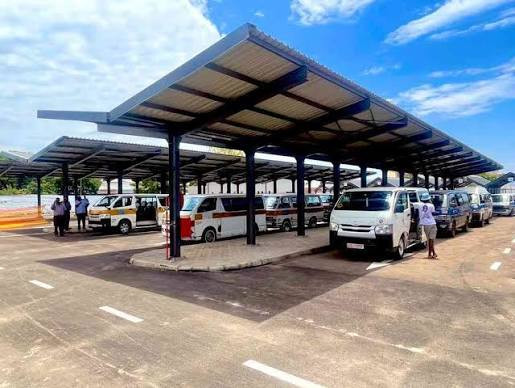
The mushrooming of illegal pick-up and drop-off points has transformed Bulawayo’s central business district into a transport nightmare.
Traffic congestion has worsened, pedestrians are exposed to greater danger and licensed transport operators are forced to compete with pirate vehicles that disregard council regulations.
This creates an uneven playing field that discourages investment in legitimate public transport services.
- Revisiting Majaivana’s last show… ‘We made huge losses’
- Edutainment mix: The nexus of music and cultural identity
- ChiTown acting mayor blocks election
- Promoter Mdu 3D defends foreigners 30 minute set
Keep Reading
Bulawayo adopted its public transport policy in 2012 with the vision of creating a safe, efficient, coordinated and regulated transport system.
Fourteen years later, that vision remains largely unrealised. While licensed operators continue to operate under service-level agreements with the city, their efforts are undermined daily by illegal competitors operating with apparent impunity.
The solution lies not in sporadic crackdowns, but in sustained enforcement, political will and institutional accountability.
The city council, the Zimbabwe Republic Police and all relevant authorities must work together to dismantle illegal transport syndicates, prosecute corrupt officials where evidence exists and restore discipline on the roads.
At the same time, investment in modern, reliable and affordable mass public transport should become a priority.
Bulawayo deserves better than the daily disorder that has become normal. A functioning city requires a functioning public transport system.
Restoring order is no longer just a transport issue—it is a matter of governance, public safety and the city’s future competitiveness.