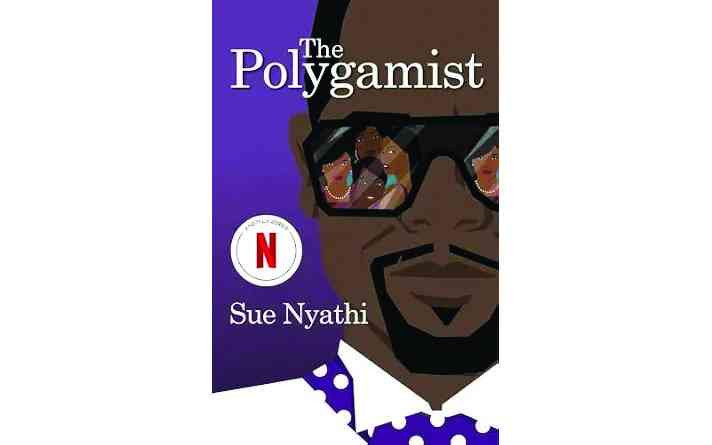
The international success of the Netflix adaptation of Zimbabwe author Sue Nyathi’s novel, The Polygamist, has sparked fierce debate about culture, marriage and African storytelling, with participants at a recent Bulawayo public discussion unpacking the hit series’ provocative themes.
Organised by a local book club and opened to the public, the event drew viewers from diverse backgrounds to dissect the adaptation of Nyathi’s novel.
Writer and cultural commentator Raisedon Baya said the idea emerged from growing public interest.
The central question divided the room: does the series accurately portray polygamy as an African cultural institution?
“One school of thought felt it does not,” Baya said.
“People saw a narcissistic man driven by sexual desire and his power to manipulate women and not about marriage or respecting women.”
Others argued the series reflects painful realities many women face in polygamous unions.
One of the participants, Grace Maguri, noted the series has placed African culture under global scrutiny, with Black American celebrities questioning why female characters remained in troubled marriages.
- Building narratives: BBC features exceptional Zimbabwean women authors in new documentary
- Leadership: Spotting talent
- 'Roki' apologises to ex-wife Pauline says "I was Jonasi in our marriage"
- The Polygamist is not a story about Polygamy: A review by Nkosiyazi Kan Kanjiri
Keep Reading
“They did not understand the essence of African strength,” Maguri said.
“Sometimes women stay because they are holding together systems that go beyond themselves, marriage is also about family and community.”
She emphasised that Africa has no single culture.
“Everybody discussing The Polygamist is coming from their own cultural outlook,” Maguri added.
Another participant Elvis Chatsanga argued the show forces viewers to confront ignored issues.
“Male sexual indiscipline, patriarchal abuse, childhood trauma and the effects of untamed hypergamy,” Chatsanga said.
He suggested Jonasi, the central character, was “not the actual villain, but sexual indiscipline and material lack were.”
On polygamy, Chatsanga added: “It works. Many marriages have happy women and men in polygamous unions. But we must reject the Western view that vilifies it and embrace its respectful, cordial aspects.”
Baya highlighted the most encouraging outcome: overwhelming interest from young people.
“They supported culture and felt closer to it than Western views,” he said.
The playwright urged that the series be seen as a victory for African storytelling.
“It has opened doors for other African stories to reach the world,” Baya said.
He called on filmmakers to mine African literature, folktales and real lives for adaptation.
“The stories are there. Maybe this is the time to produce and export them to the world,” Baya said.