Bulawayo City Council has released water quality monitoring results revealing a mixed picture across the city, with 69% of samples meeting acceptable standards while contamination was detected in several suburbs.
Presenting the water quality monitoring and environmental pollution report on June 5, director of health services Edwin Mzingwane Sibanda said 131 water samples were collected and sent to Criterion laboratory for bacteriological analysis.
While overall compliance stood at 69%, specific parameters showed varying levels of safety.
Testing found that 92.3%of samples were satisfactory for faecal coliforms, 83.2% tested negative for non-faecal coliforms, and 80.1%met standards for total coliform count.
Faecal coliform contamination, a strong indicator of sewage intrusion, was detected at several sites including Magwegwe Clinic, Zimtile, Luveve Cemetery, Cowdray Park, and AR1 Sewage Waterford, raising concerns about possible sewage entering water systems.
Non-faecal coliform contamination was found at 22 locations, including Emakhandeni, Mtshingwe Primary School, Cowdray Park, Lalani Hotel, Riverside, Waterford, and Aisleby Primary School, among other community and institutional water points.
Elevated bacterial loads, indicated by high plate count results, were recorded at 23 locations including Emganwini, Pumula South, Nketa Fire Station, Luveve Clinic, Cowdray Park, and Northend pool.
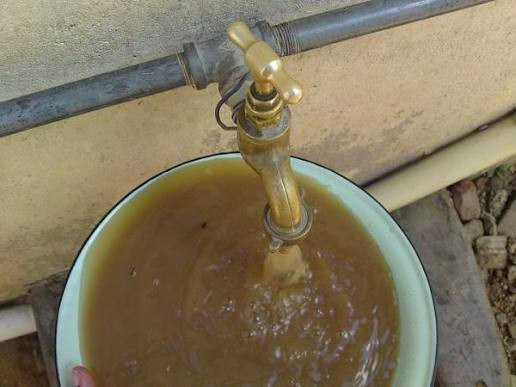
The council investigated a complaint of turbid drinking water in Cowdray Park, where sampling revealed significant concerns.
- Uproar over census figures
- Byo Arts Festival in turmoil…One year later, festival has yet to pay artists…Organisers play cat and mouse with artists
- Bulawayo struggles to clear housing backlog
- Council acts tough on debts
Keep Reading
Four of the eight samples tested positive for non-faecal coliforms, two were positive for faecal coliforms, and three showed high total colony counts, prompting further monitoring in the area.
Follow-up sampling in Emganwini showed improvement, with officials confirming results were negative for both faecal and non-faecal coliforms after earlier concerns of possible sewer contamination.
Seventeen sanitary inspections were conducted at alternative water sources such as boreholes.
Officials noted that surrounding areas near 15 of the inspected water points were satisfactory, while hygiene education was provided on safe water handling and storage.
Environmental health teams carried out school inspections and waste management education sessions, reaching 3 400 learners across Mhali, Nkanyezi, Mafakela, Mawaba, and Josiah Primary schools.
All inspected schools were connected to municipal water supplies, though Nkanyezi Primary School was advised to improve storage of disused furniture.
In a separate surveillance exercise, two sewage effluent samples were collected from Richmond and Cowdray Park sentinel sites and submitted for laboratory analysis to detect poliovirus in faecal matter.
The council said routine monitoring and public health education remained central to preventing waterborne disease outbreaks, and the report was received and noted.