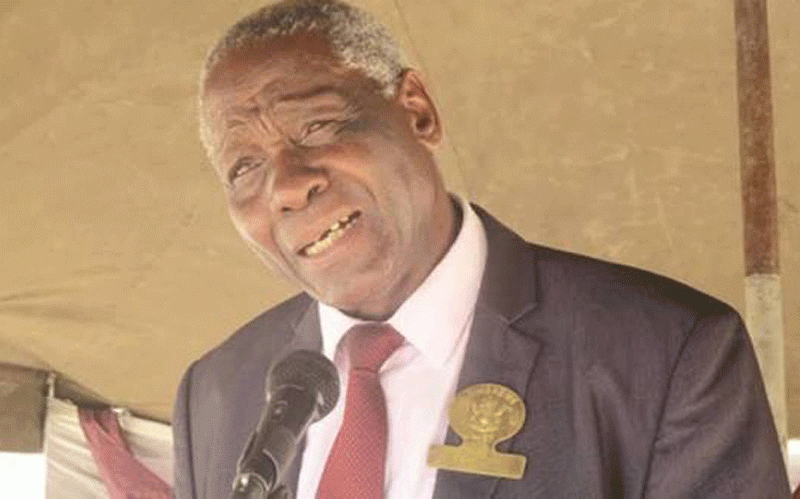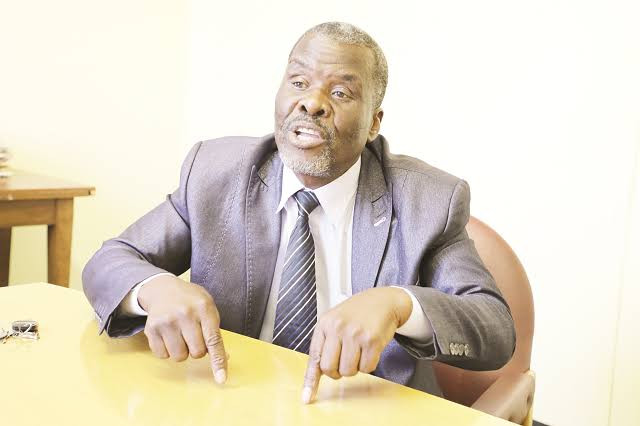
Former Zipra senior Northern Front commander Andrew Ndlovu has criticised the government for failing to adequately recognise and preserve the legacy of fallen liberation war fighters.
In his newly launched book, The Liberation Era Believer, Ndlovu reflects on the sacrifices made during the liberation struggle and the challenges confronting former freedom fighters more than four decades after independence.
He warns that Zimbabwe risks losing an important part of its history if urgent action is not taken to preserve it.
"The Zimbabwe government has forgotten about the sons and daughters who sacrificed their lives for them to be in power today," Ndlovu writes.
Many freedom fighters were buried in shallow graves across various operational areas and, over the years, some of these graves have lost their identities.
Ndlovu argues that the government should intensify its reburial programme and work alongside traditional leaders—including chiefs and headmen—to ensure that graves are properly identified and protected.
Where identification has become difficult, he proposes constructing monuments near such graves to ensure that future generations recognise the sacrifices made by those who died during the struggle.
However, the passage of time has made this exercise increasingly difficult.
- Liberation war stalwart pens political book
- Liberation war stalwart pens political book
- Zapu, CCC, Zanu PF in joint call for peace
- Ndlovu speaks on arrest ordeal
Keep Reading
Some communities have relocated, while others who witnessed the war have died or become too old to remember events clearly.
Ndlovu says a programme to revisit former operational areas has also exposed the ongoing suffering of surviving former fighters and the communities that supported them during the war.
He recalls meeting peasants who had supported freedom fighters, describing reunions characterised by both joy and sorrow.
"Many peasants who worked tirelessly had died and it was very painful to both of us when we revisited our war memories and asked ourselves, why are we still suffering," he writes.
The former commander also expresses concern over the treatment of former fighters by some younger traditional leaders who, unlike their predecessors, did not experience the liberation war.
He notes that the relationship between freedom fighters and the communities that supported them has changed significantly, partly due to a generational shift.
Ndlovu argues that the welfare of surviving veterans should not be viewed merely as a demand for financial assistance, but as part of the country's constitutional and historical responsibility.
He also questions the timing and implementation of the government's vetting exercises for former freedom fighters.
According to Ndlovu, the process was initiated decades after independence, by which time the relationship between former liberation fighters and former Rhodesian security personnel had changed considerably.
Beyond the welfare of war veterans, Ndlovu expresses concern about what he sees as a declining interest in liberation politics among the country’s younger generation.
"They are concerned about their stomachs, hence this has changed the characteristics of politics in Zimbabwe, if not the whole world," Ndlovu writes.
He contrasts this with the youth who participated in the liberation struggle, who were motivated primarily by the pursuit of independence rather than financial rewards.
He also calls for a more balanced representation of liberation history in the national curriculum, arguing that the contributions of Zapu and Zipra should receive adequate recognition.
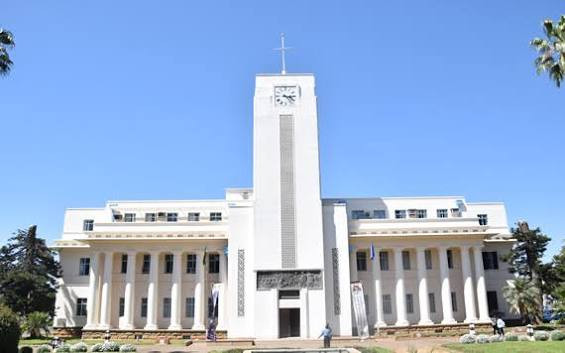
He cites the African Liberation Exhibition at the National Gallery in Bulawayo as an important development in documenting Zipra's historical contribution and its relationship with the former Soviet Union.
"The war was not a joke," Ndlovu writes.
He says preserving the graves and memories of fallen fighters is not simply about the past, but about ensuring that future generations understand the cost of Zimbabwe's independence.