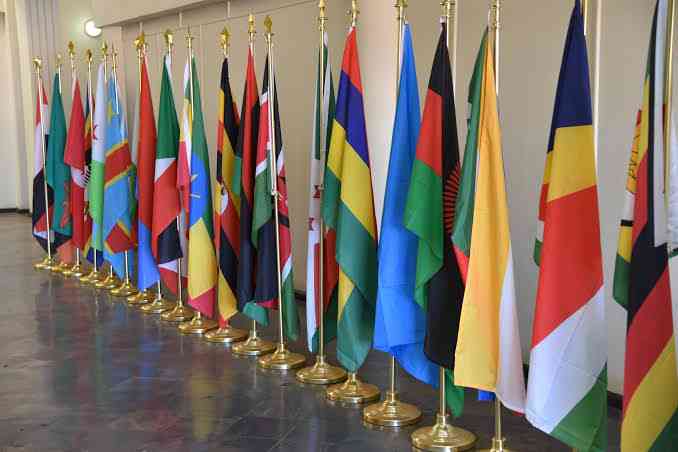
Zimbabwe’s assumption of the Common Market for Eastern and Southern Africa chairmanship for the 2026–2027 term presents an important opportunity for Bulawayo and the wider southern region.
The country will also host the 25th Comea Heads of State and Government Summit in October.
For many years, discussions about Bulawayo have centred on its diminished position as Zimbabwe’s industrial hub.
Once powered by textiles, clothing, engineering, leather, railway equipment and food-processing industries, the city still possesses valuable infrastructure, industrial land, technical expertise and an enduring business culture.
Comesa consists of 21 countries and represents a market of more than 640 million people. These consumers require food, clothing, medicines, construction materials, agricultural equipment, mining supplies and professional services. This is a market that Bulawayo and southern Zimbabwe cannot afford to ignore.
Bulawayo businesses must begin viewing the region as an extension of their domestic market. A manufacturer serving only local customers has limited room for expansion. With access to regional buyers, the same manufacturer can increase production, attract investment and create employment.
The city is strategically positioned to participate in regional trade.
Its road and railway connections can link southern Africa with Zambia, the Democratic Republic of Congo and markets further north and east.
- Revisiting Majaivana’s last show… ‘We made huge losses’
- Edutainment mix: The nexus of music and cultural identity
- ChiTown acting mayor blocks election
- Promoter Mdu 3D defends foreigners 30 minute set
Keep Reading
However, geographical location must be supported by efficient transport systems, competitive products and deliberate market development.
Bulawayo’s engineering companies could supply machinery, components and protective equipment to mines across the region.
Clothing and textile businesses could target schools, hospitals, security companies and retailers.
Food-processing enterprises could convert agricultural produce into goods suitable for regional supermarkets.
The leather industry also deserves renewed attention. Matabeleland has a strong cattle-producing tradition, while Bulawayo has experience in tanning and footwear manufacturing.
Instead of exporting unprocessed hides or allowing them to lose value, the region can manufacture shoes, belts, bags and protective clothing for domestic and regional markets.
The opportunity extends beyond Bulawayo. Matabeleland North and South possess considerable potential in livestock production, mining and tourism.
Masvingo has agricultural, mineral and tourism assets, including Great Zimbabwe.
Comesa membership does not guarantee that regional consumers will purchase Zimbabwean products. Local companies must compete on price, quality, packaging and dependable delivery.
Businesses must understand the standards, customs procedures and consumer preferences of the countries they intend to enter.
Small to medium enterprises must not be excluded.
Many businesses in Bulawayo and surrounding towns can export but lack market information, certification, financing and regional partners. Business associations and financial institutions should help them identify buyers and comply with export requirements.
The Comesa Business Forum scheduled ahead of the summit should be treated as a commercial platform rather than simply another gathering.
Bulawayo businesses should arrive with product catalogues, export strategies, investment proposals and clearly defined partnership opportunities.
A business forum creates lasting value when it produces supply agreements, distributorships, joint ventures and investment commitments.
Non-tariff barriers also require attention. Although regional trade arrangements may reduce customs duties, exporters can still encounter border delays, inconsistent regulations and complicated documentation.
These obstacles increase costs and make it difficult for smaller businesses to participate in cross-border trade.
Comesa’s digital retail payments initiative may assist businesses by facilitating cross-border transactions in local currencies and reducing reliance on scarce foreign currency.
Its success will depend on participation by financial institutions, public awareness and confidence in the system.
However, Comesa cannot revive Bulawayo on its own. Regional organisations can open markets and create trade frameworks, but factories must produce competitive goods.
Banks must finance viable enterprises, entrepreneurs must identify opportunities, and training institutions must develop relevant technical skills.
Success should be measured not merely by meetings held or visitors received, but by export contracts secured, businesses financed, partnerships created and jobs generated.
Bulawayo does not need to recreate its industrial past exactly as it was. It must build a modern industrial future founded on technology, specialised manufacturing, mineral beneficiation, regional value chains and access to wider markets.
Comesa provides an opportunity, but opportunity alone is never enough.
Southern Zimbabwe must prepare, produce and compete.
If businesses use the regional market strategically, the chairmanship could help Bulawayo reclaim its relevance as an industrial and commercial centre while opening new markets for the wider southern region.
*Dr Believe Guta is an entrepreneur, author, public intellectual and investment strategist. He writes in his personal capacity.