ZIMBABWEANS living and working in South Africa face renewed safety concerns following violent anti-migrant protests in Durban and Soweto, with the South African Human Rights Commission (SAHRC) condemning intimidation and attacks against asylum seekers and calling for calm.
The unrest, which erupted on Thursday, October 8, followed protests against the resumption of asylum application processing at the Durban Refugee Reception Centre.
Reports indicated that at least 24 vehicles were torched in Durban and Soweto, while foreign-owned shops were looted as tensions escalated.
Although reports have not established how many Zimbabweans were directly affected by the latest violence, the developments have heightened concerns for the large Zimbabwean community in South Africa, where migrants have faced threats, intimidation and pressure to leave.
- It’s hard sleeping outside, say Zim asylum seekers
- Coalition petitions SAHRC over rising xenophobic vigilantism
- SAHRC condemns anti-migrant violence as zimbabweans face renewed fears in south africa
Keep Reading
Earlier this year, some Zimbabweans returned home amid fears of xenophobic hostility.
Others have described being threatened at their homes and workplaces, raising concerns about the safety of migrants and the security of their livelihoods.
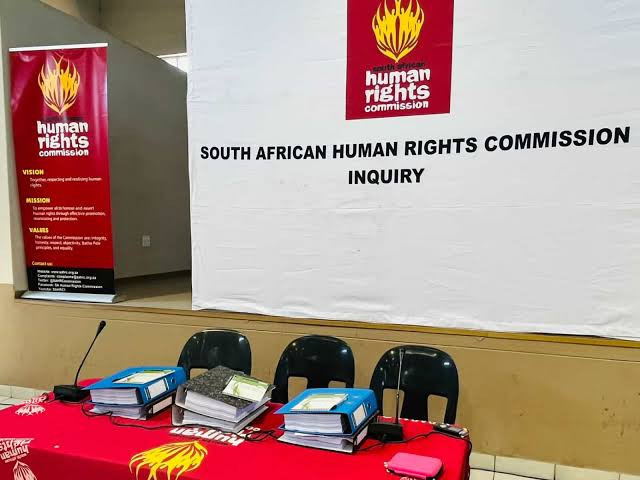
In a statement issued on Friday, the SAHRC condemned the violence in eThekwini and Soweto, saying asylum seekers and refugee centre officials had reportedly been subjected to intimidation and threats.
“The Commission is deeply concerned by reports that asylum seekers and asylum centre officials have been subjected to intimidation and threats, and that many fear for their safety,” the commission said.
It added that it had received numerous calls from asylum seekers seeking assistance and protection amid escalating tensions.
The commission also condemned reported retaliatory attacks, warning that violence could further inflame tensions and undermine human rights.
“However, violence is not a solution. The Commission calls on those behind these violent protests to desist,” it said.
The developments are particularly significant for Zimbabweans who depend on employment, informal businesses and cross-border family support for their livelihoods, as renewed hostility could expose them to further insecurity and economic disruption.
The SAHRC reminded South Africans that Section 17 of the country's Constitution guarantees everyone the right to assemble peacefully and unarmed and to present petitions.
However, it stressed that the right to protest did not justify violence, intimidation or preventing other people from accessing public services.
The commission also highlighted the principle of non-refoulement, which prohibits the forced return of people to countries where they face persecution or threats to their lives or freedom.
It said South Africa's Refugees Act and international refugee instruments provided the legal framework for protecting people seeking asylum.
The SAHRC further referred to a July 2026 Constitutional Court ruling that removed certain procedural barriers preventing people from accessing the asylum system, including restrictions linked to reporting deadlines and entry documentation.
“The court ruling does not grant automatic refugee status as reported but remedies procedural access,” the commission said, warning that misinformation about the judgment was circulating on social media.
The ruling does not automatically grant refugee status, permanent residence or legal status to every undocumented foreign national. Instead, it addresses access to the process through which asylum claims are considered.
The controversy surrounding the ruling has intensified tensions at refugee reception centres, where authorities have faced pressure over the processing of applications and public concerns about immigration.
On Friday, South Africa's Department of Home Affairs withdrew a directive that had facilitated the intake of asylum applications, citing overcrowding at refugee offices, risks to officials and public safety concerns.
The SAHRC urged the government to adequately resource asylum processing centres and ensure that applicants could access the process in accordance with the court's ruling.
It also warned against blocking asylum seekers from entering refugee centres to submit their applications.
“Anyone barring asylum seekers from going to Refugee Centres to process their applications is in violation of the law,” the commission said.
The commission called on law enforcement agencies to curb violence and protect vulnerable groups, while urging protesters to exercise their rights peacefully.
For Zimbabweans and other foreign nationals, the unfolding situation underscores the importance of protecting people from collective punishment based on nationality or immigration status.
The SAHRC said it would engage relevant stakeholders to ensure that everyone's rights were promoted and protected.