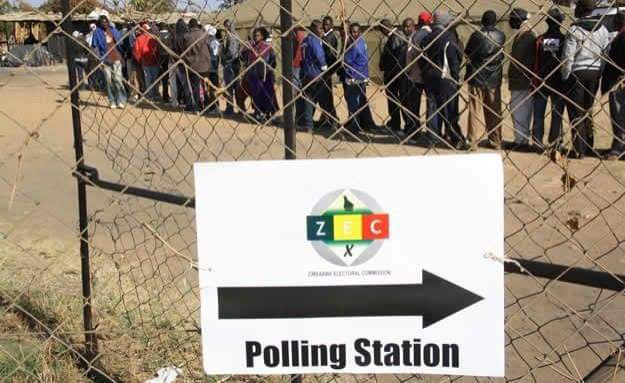
Democracy in Africa has not completely disappeared; it has been deliberately domesticated. It wears familiar colours, waves liberation flags and sings the songs of freedom while serving the same masters it once promised to dethrone. Ballots are printed, rallies are held, slogans are shouted, and the illusion of choice is carefully staged. Yet for most citizens, the outcome is known before the first vote is cast. This is not democracy in action. It is democracy in performance.
In Zimbabwe, as in much of Africa, elections come like seasons, predictable and ceremonial. Citizens queue under the sun, clinging to hope not because they are naïve, but because hope is the only thing that hasn’t been stolen from them. But that hope meets a wall built from institutional manipulation. Votes are counted, but voices are not heard. The results are often foregone conclusions disguised as democratic victory. What remains is a ritual that comforts power more than it challenges it, democracy as theatre, not transformation.
Across the continent, we have parliaments that debate loudly but rarely decide. Courts that interpret justice selectively. Electoral bodies declared independent yet bound by invisible strings to those in power. These institutions exist on paper but kneel in practice. It is not by mistake — it is design. Liberation movements that once fought for freedom transformed into ruling dynasties that measure progress by longevity, not legitimacy. Power, once a tool for liberation, has become a birthright for the few and a burden for the many.
In the quiet spaces between elections, fear governs. It whispers in the ears of journalists, trails activists in unmarked cars, and silences critics through intimidation or abduction. From Zimbabwe to Uganda, from Sudan to Eswatini, the same script plays out. Fear has replaced consent as the engine of control. Those who speak truth to power are hunted, harassed, or humiliated. The rest learn the safety of silence. And when silence becomes the national language, peace becomes a performance too.
Opposition politics exists, but it is often like a play without a stage. Parties campaign, critics speak, and rallies fill the air with energy, yet the rules of the game are designed so the outcome never changes. Opposition leaders are treated as necessary props in a democratic drama that demands their participation but never their victory. This is managed pluralism, a democracy that tolerates dissent so long as it remains harmless.
When international observers arrive, they praise calmness and order. They see no chaos, so they declare success. But what they don’t see are the invisible bruises left by fear. They measure democracy by how peaceful election day looks, not by how free people are to speak, vote, or organise before it. Stability becomes more important than justice. Peace, even if forced, is celebrated more than freedom.
The consequences of this political theatre are devastating. Our economies collapse, yet our leaders campaign on prosperity. Corruption thrives, yet accountability remains a myth. The youth lose faith in politics, convinced that democracy is a game rigged against them. In too many countries, the cost of participation is fear — and the reward for silence is survival.
Africa’s crisis is not the absence of elections. It is the absence of honest leadership and accountable governance. We have mastered the rituals of democracy but ignored its soul. A free nation is not one that votes, but one where that vote transforms lives. Democracy is not the ballot paper; it is the daily right to speak, to question, to dream without fear.
- Mavhunga puts DeMbare into Chibuku quarterfinals
- Bulls to charge into Zimbabwe gold stocks
- Ndiraya concerned as goals dry up
- Letters: How solar power is transforming African farms
Keep Reading
The time has come to reclaim democracy from those who perform it. We must stop confusing participation with power and elections with freedom. The people must demand more than ballots — they must demand fairness, transparency, and truth. Leaders must learn that the measure of greatness is not how long they rule, but how justly they govern.
Democracy will not return through slogans or summits. It will be rebuilt by citizens who refuse to be props in political theatre. By journalists who write despite the threats. By youths who organise instead of waiting. By communities that dare to imagine a nation not built on fear but on faith, faith in their own agency, dignity, and humanity.
Until that day, our democracy will remain a well-rehearsed performance: polished, practiced, and hollow. The curtain will rise, the speeches will sound, and the songs of liberation will fill the air, but beneath the applause, the people will still be waiting for freedom that feels real.