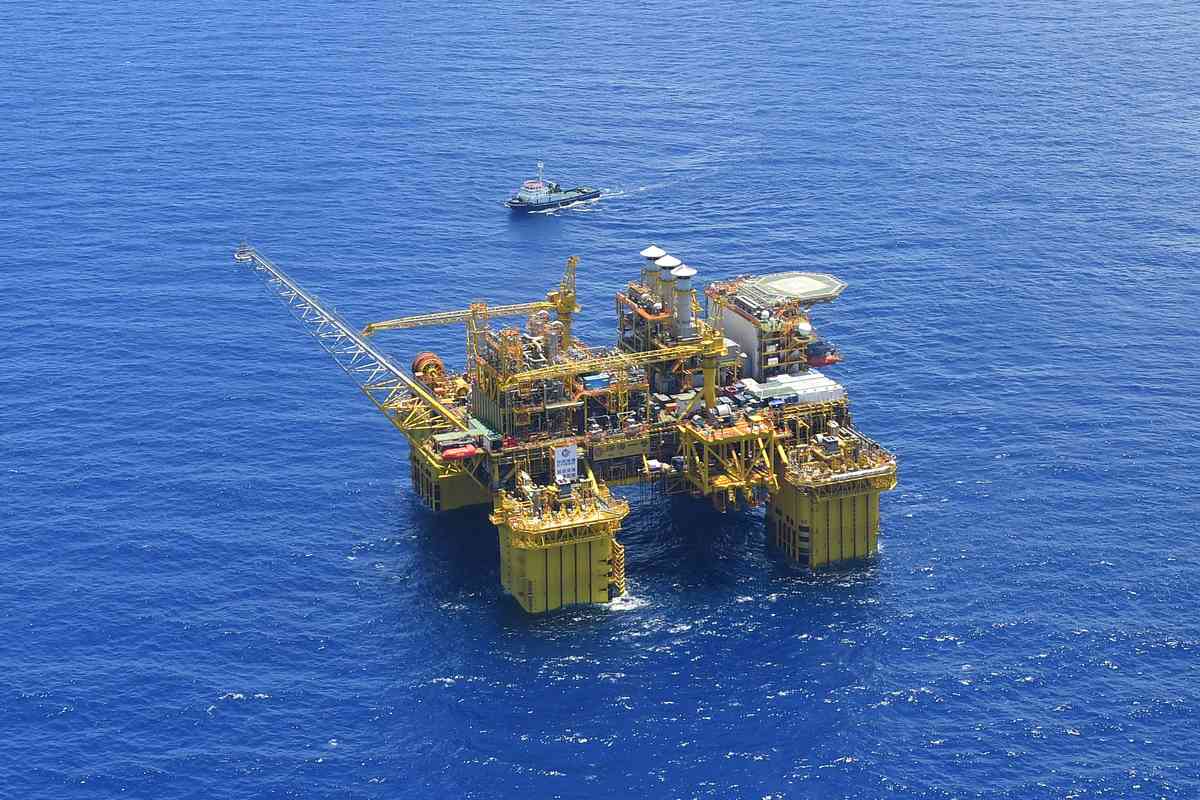
China has spent eight consecutive years as the world’s largest player in offshore engineering equipment, commanding more than half of the global market. That dominance did not emerge overnight. It reflects decades of investment in manufacturing, infrastructure and technological capability.
For countries across Africa and the Global South, the question is not whether China’s rise is remarkable. It is what lessons can realistically be applied at home.
China’s formula rests on three pillars.
First, scale. Vast shipyards, from state-owned giants to private firms, operate on mass-production models that lower costs while maintaining standards.
Second, integration. Chinese companies control much of the value chain, from raw materials to final assembly, avoiding the fragmentation that weakens many competitors.
Third, gradual technological upgrading. China absorbed foreign expertise, adapted it to local conditions and eventually developed its own innovations. It has moved beyond low-cost manufacturing into advanced engineering.
A notable example is the Three Gorges Navigator, a 16-megawatt floating offshore wind platform built using Chinese-designed mooring systems and ballast technology.
China’s industrial rise also reflects long-term planning. Marine equipment has been designated a strategic industry under the country’s latest five-year development framework, with targets for breakthroughs in core technologies.
- The brains behind Matavire’s immortalisation
- Red Cross work remembered
- All set for inaugural job fair
- Community trailblazers: Dr Guramatunhu: A hard-driving achiever yearning for better Zim
Keep Reading
Africa’s interest in China’s experience extends beyond offshore engineering.
The Belt and Road Initiative has financed ports, railways and industrial parks across the continent. More important than the infrastructure itself is whether these projects generate broader industrial activity through manufacturing, logistics and skills development.
Nigeria’s Lekki Deep Sea Port illustrates the potential. Built with Chinese backing, it has become one of the country’s busiest ports and improved access to international markets for businesses operating nearby.
But infrastructure alone does not guarantee industrialisation.
African governments need to negotiate agreements that prioritise technology transfer, local participation and workforce development. Ports should be linked to industrial zones and transport networks to support value addition rather than simply facilitate raw commodity exports.
Investment in people matters as much as investment in concrete and steel. Technical training initiatives, including Luban Workshops established in several African countries, should complement national education and industrial policies.
Perhaps the most enduring lesson from China’s experience is institutional consistency. Long-term development plans, backed by policy continuity, allow governments to pursue strategic priorities beyond electoral cycles.
China’s offshore engineering success is not a blueprint that can be copied wholesale. Countries differ in history, institutions and resources. But its emphasis on productive investment, industrial capability and strategic planning offers insights for nations seeking sustainable economic transformation.
The challenge for Africa is no longer securing infrastructure. It is using that infrastructure to build competitive industries, create jobs and drive long-term growth.