ENSURING access to healthy diets for the majority of the world's population is not receiving the attention it deserves.
UN agencies — FAO, WFP, IFAD, WHO and Unicef — acknowledged this in a recent report, noting that a healthy diet supports childhood growth, protects long-term health and fosters productive, resilient communities.
Yet it remains economically out of reach for a third of the world's people, contributing to all forms of malnutrition, while the societal costs of diet-related non-communicable diseases keep rising.
The global average cost of a healthy diet rose to US$4,28 per person per day in 2025, up from US$3,44 in 2021 and US$2,94 in 2017, tracking overall food inflation.
This puts a healthy diet out of reach for about 2,69 billion people — nearly a third of humanity. In Africa, roughly two-thirds of the population cannot afford one.
Globally, 69% of children aged 6-23 months and 37% of women lack minimally diverse diets and the situation worsens during droughts. Few consumers, meanwhile, have any way of knowing how safe their food actually is.
Mass markets can be part of the solution
Despite policymakers' concerns about food safety, most lack the capacity to assess the cost of a healthy diet.
- Illegal smuggling of US-made weapons from Afghanistan to Pakistan and its trade: a thriving business in Pakistan
- Dynamite comes in small packages in Pastor Chirinda
- Dynamite comes in small packages in Pastor Chirinda
- Toxic smoke chokes Karoi residents
Keep Reading
Affordability drives most consumers to mass markets, but there is little evidence on how healthy or safe that food really is. Assessing diet quality and safety requires scientific capacity that most African countries — where mass markets supply the majority of food — simply don't have.
Governments' focus on production (eg, soil sampling) has consistently outweighed attention to food safety after harvest. Addressing this gap means governments and development agencies must invest in the mass markets that supply over 70% of food for most consumers. Redirecting national food budgets, subsidies and research towards fruits, vegetables, and legumes — rather than concentrating solely on production — could meaningfully extend the shelf life and availability of healthy diets. Most food is nutritious right after harvest but quickly deteriorates due to inadequate market infrastructure and logistics, driving food loss and waste.
Tapping into culturally rooted diets
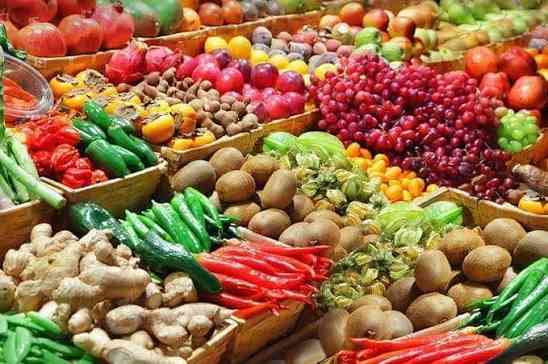
As climate change makes monocropping increasingly unsustainable, mass markets offer a diverse alternative for building healthy diets — if properly supported. They draw on rich, varied food baskets from across each country and reveal to policymakers and investors how informal supply networks foster collaboration and shared learning. Beyond food itself, mass markets reflect deep links between food and identity, preserving indigenous knowledge of food preservation and preparation.
Mass markets as sites of new knowledge
Mass markets also give African food scientists room to move beyond intensification-focused approaches that prioritise global market performance over local systems and domestic consumption. Frameworks developed in the global north have long limited understanding of local food systems; the wealth of practice within African mass markets can no longer be ignored, especially as climate change increases its relevance.
Though largely undocumented, food practices in African mass markets extend well beyond commerce. They reveal solidarity among farmers, traders and consumers, reinforcing local identity, tradition, and indigenous consumption patterns. Documenting this knowledge could help communities recognise the value embedded in their diets amid globalisation. Mass markets also support environmentally- sound production, distribution, and consumption — anchoring local cultivation, food preservation and wild fruit foraging, with indigenous fruits shaping seasonal trading patterns.