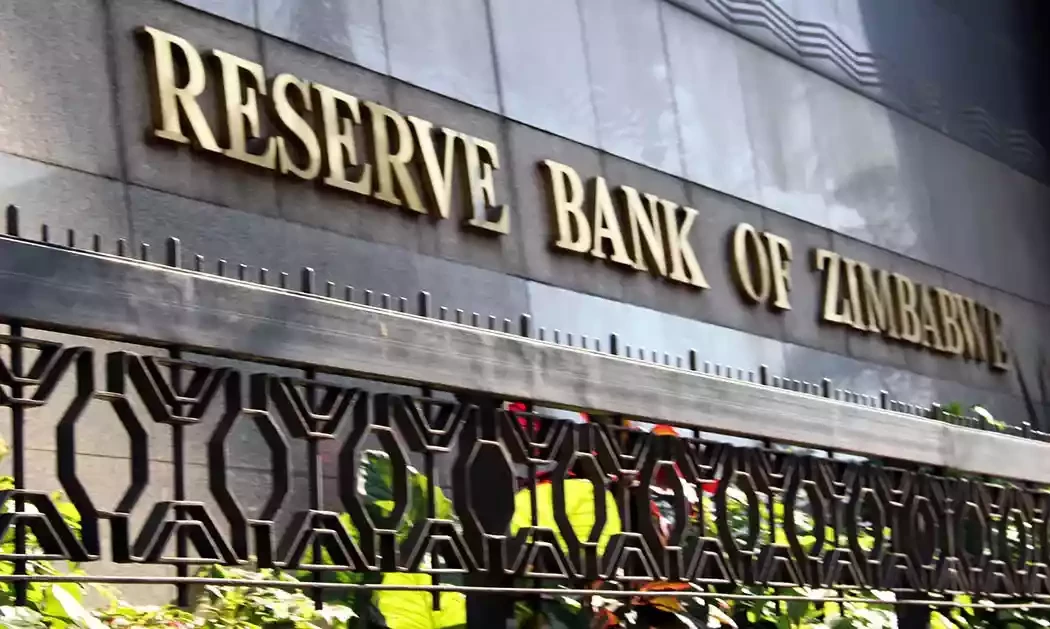
HARARE, Aug. 20 (NewsDay Live) — The Reserve Bank of Zimbabwe has cut its benchmark Bank Policy Rate from 35% to 30%, citing sustained low inflation and improved price and exchange-rate stability in the first half of 2026.
The reduction, announced in the central bank’s mid-term monetary policy statement released Thursday, comes after annual ZiG inflation fell to 3.2% in July from 4.7% in June.
The central bank said inflation had remained below 5% from January to July, reflecting what it described as a structural shift from double-digit inflation to low single-digit levels.
The RBZ also cut the interest rate on its Targeted Finance Facility from 20% to 15%, while maintaining a maximum all-in lending rate of 25% for productive sectors.
The TFF facility, which has an envelope of ZiG1.2 billion, is intended to support lending to productive sectors of the economy.
The central bank said the lower policy rate should encourage banks to reduce lending rates in line with falling inflation and the cost of funds.
“The Reserve Bank expects banking institutions to align their lending rates with the movement in the Bank Policy Rate and cost of funds,” the statement said.
The move comes against a backdrop of improved foreign currency inflows and exchange-rate stability.
- Zimbabwe needs to rethink economic policies
- Zimbabwe needs to rethink economic policies
- Forex demand continues to fall
- Digital platforms transfer ZW$8tn
Keep Reading
Foreign currency inflows rose 47.8% to US$10.72 billion in the first six months of 2026, up from US$7.25 billion during the same period last year. The inflows exceeded foreign currency payments of US$7.3 billion during the period.
Foreign currency reserves had risen to US$1.7 billion by the end of July, equivalent to 1.7 months of import cover.
The ZiG traded within a range of about 25 to 27 against the US dollar during the first half of the year, while the parallel-market premium averaged about 15%.
The RBZ said the economy remained resilient despite global shocks and was on course to grow by 5% in 2026, supported by agriculture, mining, manufacturing and services.
The economy grew 6.8% year-on-year in the first quarter, compared with 4.4% in the corresponding period of 2025.
The central bank, however, warned that the outlook remained vulnerable to the effects of the Middle East conflict, volatile commodity prices and anticipated El Niño conditions during the 2026/27 agricultural season.
The RBZ also maintained statutory reserve requirements at 30% for demand and call deposits and 15% for savings and time deposits.
It retained the 70% foreign currency retention threshold for exporters, saying the arrangement continued to support the interbank market, settlement of bona fide foreign currency obligations and accumulation of reserves.
On the planned transition to a mono-currency system, the central bank said the process remained conditions-based and market-driven rather than tied to a specific date.
Its self-assessment put progress toward meeting the conditions precedent for the transition at a weighted 50.1%, while stressing that this did not signal an immediate move to mono-currency.
The RBZ said it would continue to prioritise low and stable inflation, wider use of the ZiG and exchange-rate stability as it prepares the conditions for a future mono-currency regime.