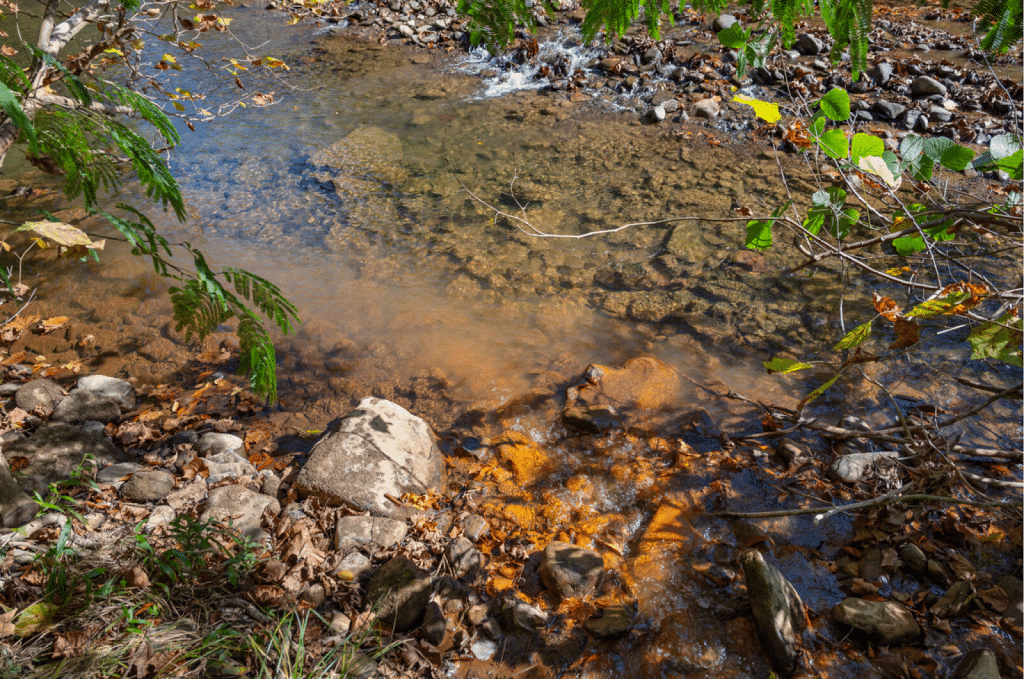
THE government’s decision to gazette regulations allowing contractors rehabilitating degraded river systems to recover gold without acquiring conventional mining licences raises serious questions about transparency, accountability and the potential for abuse.
Officials argue that the regulations are necessary to operationalise Zimbabwe’s declaration of a state of disaster over river ecosystems damaged by alluvial mining.
The objective, they say, is to restore rivers while allowing contractors to recover minerals encountered during rehabilitation works.
On paper, the arrangement may appear practical.
Contractors will rehabilitate degraded waterways and, in return, recover gold and other minerals found during the process.
Permit holders will be required to pay royalties, disclose minerals recovered and submit regular reports to mining authorities.
Yet beneath the surface lies a troubling possibility.
Zimbabwe may be creating a system that could become one of the biggest transfers of alluvial gold into private hands under the banner of environmental rehabilitation.
- Hebrew Scriptures: The best way to stop suicide
- Mpofu plots DeMbare downfall
- Bosso bullish ahead of BF blockbuster
- Innscor volumes rise
Keep Reading
The critical question is simple: Who will receive these contracts?
The answer to that question will determine whether this programme is genuinely about environmental restoration or whether it becomes another avenue for politically connected individuals and companies to gain access to valuable mineral resources.
Zimbabwe has a long history of controversy surrounding the allocation of natural resources.
Citizens have repeatedly witnessed instances where lucrative concessions, mining claims and public contracts have allegedly found their way into the hands of a privileged few while ordinary Zimbabweans remain excluded from the benefits of the country’s vast mineral wealth.
That is why transparency cannot be optional.
The public deserves to know how contractors will be selected.
Will there be open and competitive tender processes?
What criteria will be used to assess applicants?
Will contract awards be publicly disclosed?
Will beneficial ownership of the companies involved be made available for public scrutiny?
Without clear answers, suspicion will inevitably grow.
The regulations place significant authority in the hands of an inter-ministerial committee and a working party tasked with vetting prospective contractors.
While oversight structures are important, they are not substitutes for public accountability.
What Zimbabweans need is full transparency from the outset.
The names of successful contractors should be published.
The terms of their contracts should be publicly available.
The quantities of gold recovered should be disclosed regularly.
Independent audits should be conducted and made available for public examination.
Otherwise, the rehabilitation programme risks being viewed not as an environmental intervention, but as a gold rush sanctioned by regulation.
There is also the practical challenge of monitoring compliance.
Alluvial gold is notoriously difficult to track.
Even under existing mining frameworks, authorities have struggled to curb leakages and smuggling.
Introducing a special permit system that allows contractors to recover gold outside conventional mining licence structures may create additional opportunities for under-reporting and abuse.
Environmental rehabilitation is undoubtedly necessary.
Zimbabwe’s rivers have suffered extensive degradation from uncontrolled alluvial mining.
Communities downstream have borne the consequences through water pollution, siltation and the destruction of aquatic ecosystems.
However, environmental restoration should never become a vehicle for resource capture.
A programme intended to save rivers should not become a mechanism for enriching a select few at the expense of the nation.
The success or failure of these regulations will ultimately depend on transparency.
If contracts are awarded openly, monitored rigorously and subjected to public scrutiny, confidence can be built.
If secrecy prevails, Zimbabweans will be justified in asking whether the country is witnessing environmental rehabilitation — or the legalisation of a new alluvial gold scramble.
The names of the beneficiaries, more than any official statement, will tell the true story.