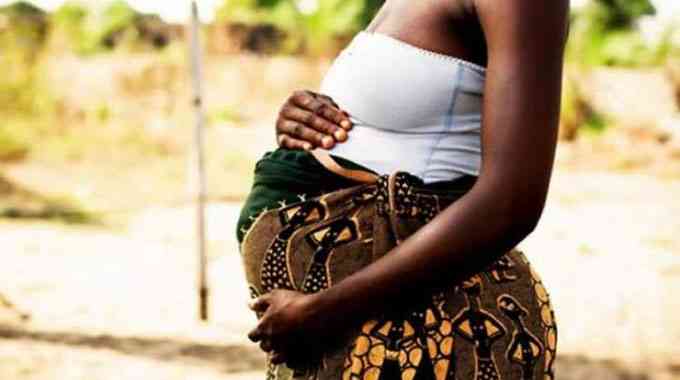
THE majority of Zimbabweans are spending more time doing unpaid work, with the ZimStat 2025 Time Use Report released yesterday highlighting the central role played by these duties in daily lives.
According to the report, the first of its kind in Zimbabwe, both women and men spend the largest portion of their day on necessary activities such as sleeping, eating and personal care.
However, women devote significantly more time to committed work activities, including unpaid domestic and caregiving responsibilities, while men allocate more time to contracted work, such as employment, own-use production of goods and learning, as well as to free time.
The 2025 Time Use Survey was produced by ZimStat with support from the United Nations Economic Commission for Africa, UN Women and the International Labour Organisation.
Time use statistics are crucial for understanding how individuals divide their time among paid work, unpaid work, care and personal life activities. This data informs inclusive labour market policies, gender equality initiatives and evidence-based national development planning.
The report shows that females spend approximately three times longer on committed work activities than males per day, while males spend 1,6 times more time on contracted work than females. Free time activities accounted for 18% of women’s time and 21% of men’s time. Women’s committed time was lowest for those aged 65 and above (10,1% of the day) and highest for those aged 25-34 (18,2% of the day).
The national employment participation rate stood at 29,7%, with Bulawayo recording the highest average time spent on employment-related activities. Men participated in employment at a rate 1,6 times higher than women. Among participants, the average time spent on employment was approximately 7,8 hours per day — 7,1 hours for females and 8,5 hours for males.
“For unpaid domestic work, 76% of the population participated, with female participation at 89,9% compared to 51,7% for males, with an average of 2,7% spent on unpaid domestic work,” read the report.
- COP26 a washout? Don’t lose hope – here’s why
- Under fire Mnangagwa resorts to Mugabe tactics
- How will energy crunch transition impact transition to renewables?
- COP26 a washout? Don’t lose hope – here’s why
Keep Reading
The broad work-life balance ratio was the same for both men and women at 0,5, indicating that half an hour was spent on work-related activities for every hour of personal time, however, women recorded a higher ratio of 1,8 compared to 1,6 for men, showing that women devoted a larger share of their time to work, spending 1,8 hours on work-related activities for every hour of free time.
The report also found that females and males with functional disabilities spent less time on learning activities, averaging 3,6 hours compared to 5,8 hours for those without disabilities, while participation in own-use production was slightly lower among persons with disabilities (38%) than those without (41,2%).