QUANTITATIVE data of social media engagement in Zimbabwe shows that the national mood has shifted from the burning protest chants of the past decade to a sarcastic, shared laughter.
As the economic crisis deepens and governance remains stagnant, a new “data story” is emerging, not in the halls of Parliament, but in the comment sections of comedy.
In a nation where the official inflation rate is often debated but the cost of living is a daily heartbreak, Zimbabweans are increasingly turning away from the “seriousness” of governance toward the “relief” of comedy.
Social media engagement is classified by the level of user interaction.
Zimbabwe’s digital landscape reveals a stark engagement gap.
While millions of youths are online, they are increasingly avoiding the digital front doors of the state.
The data tells a story of a silent, digital protest.

- Young vocalist making southern Africa dance
- Business opinion: Branding in the age of entrepreneurship and industrialisation (Part 6)
- Business opinion: Branding in the age of entrepreneurship and industrialisation (Part 6)
- Plot to block Chamisa thickens
Keep Reading
While government agencies struggle to gain traction on platforms like X (formerly Twitter) and Facebook, local comedians command audiences that rival the populations of major cities.
Zanu PF information director Farai Marapira emphasised that Zimbabweans are traditionally a humorous society and that should not be seen as a sing of poor governance.
Said Marapira: “The youth are the primary drivers of society and through them, economic and societal progression occurs and comedy is, therefore, not a recourse, but a culture.”
However, opposition politician Nelson Chamisa said freedom fighters achieved their goals in the liberation struggle while they were still in their youth, as a reminder that the new generation must not succumb to hopelessness, but rather reclaim their place in shaping the country's future.
Vivid Gwede, a Harare-based political analyst, called for a radical shift in the role of young people in national governance, arguing they must transition from followers to leaders.
“The digital distraction, especially content creation and comedy, now keeps many Zimbabweans away from governance issues,” he said.
“It is an unfortunate case of citizens laughing their problems away, given the deepening governance crisis. But digital tools can also be used to mobilise and amplify citizen actions.”
Another political commentator, Rashweat Mukundu, warned that while constitutional shifts have disempowered the public, comedy is now the front line for building political awareness.
“Struggles have always been fought on many fronts, and this is a coping mechanism to make light of serious social, economic and political challenges,” Mukundu said.
“The burden becomes lighter when you laugh at it. But part of it is also fighting back. It’s exposing poor governance in a light or comic manner. So sometimes satire is actually a strong political message.”
This shift is not merely about entertainment; it is a survival mechanism.
In a context where unemployment remains staggeringly high, social media comedy has become the “Free Republic of Humour”, the only place where the average Zimbabwean feels they can safely process their trauma.
Kudakwashe Mchena, a leading psychologist, told NewsDay Weekender that people are in denial and have lost hope in Zimbabwe’s future, hence taking comedy as therapy to refresh.
“From a psychological standpoint, comedy has become a form of therapy for most people. They have denied themselves the right to fight or argue over crucial, important issues because they feel there is nothing they can do,” Mchena said.
“Once you realise that things remain the same no matter how much noise you make, you begin to cope with that hopelessness by diverting your attention from the ‘important’ aspects of life toward something entertaining.”
According to the GlobalStats Counter, as of January 2026, 60,36% of Zimbabweans use Facebook, while 13,23% use Pinterest.
Data shows that 10,5% of Zimbabweans use X, whereas 7,99% use YouTube.
Additionally, 5,98% use Instagram, while only 1,21% utilise LinkedIn, the world’s largest professional networking platform.

NewsDay Weekender utilised Facebook, popularly known as “The Village”, the country’s most popular social media platform, to compare the following engagement levels between the official pages of comedians, the government, and independent commissions.
Zimbabweans, particularly the youth who make up over 60% of the population, are increasingly treating official government social media pages as ghost towns.
The Zimbabwe Electoral Commission and various government ministries struggle to garner even a few thousand likes on critical policy announcements, often meeting a wall of silence or a handful of mocking “clapbacks”.
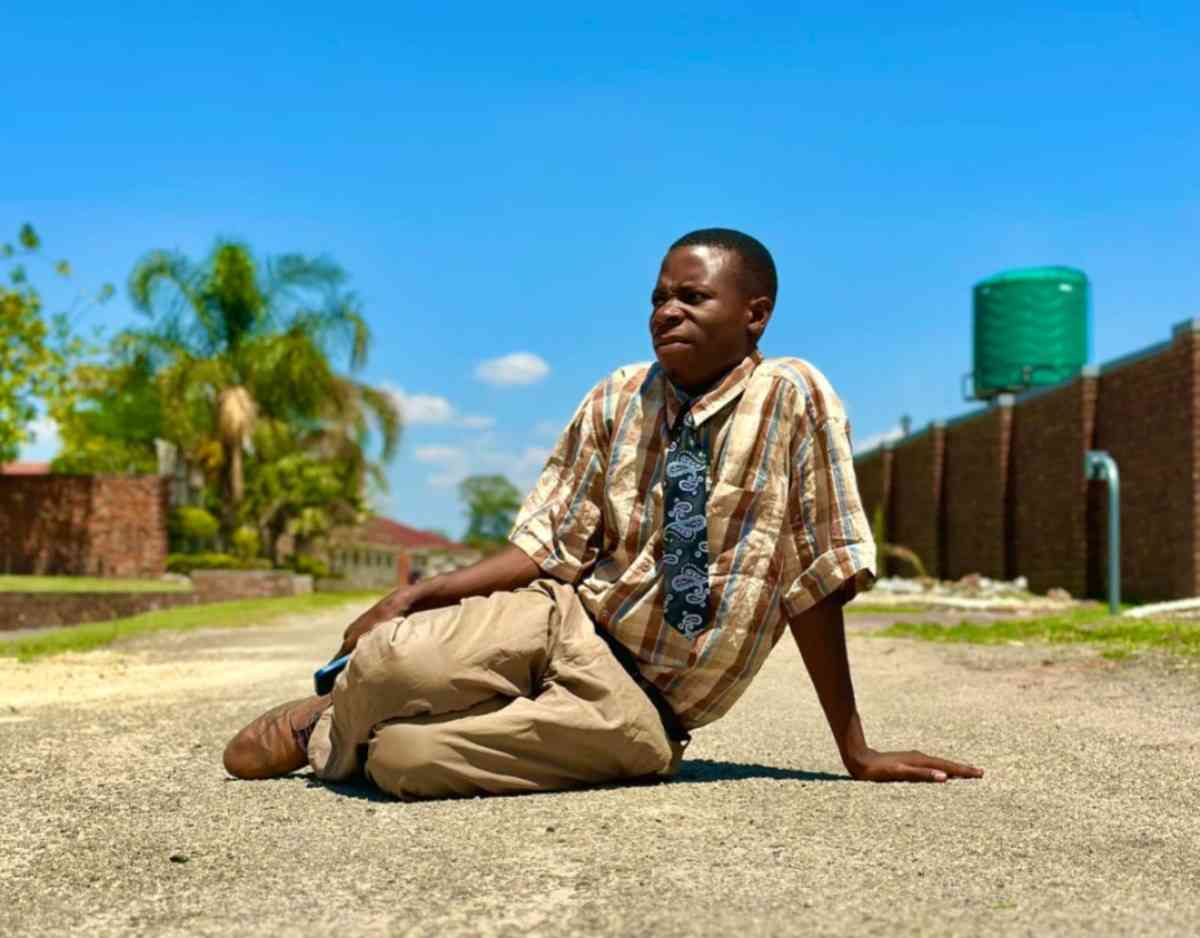
In contrast, Zimbabwean comedians and socialites like Mai Titi, Madam Boss, Frets Donzvo and Comic Elder command audiences in the millions, with their comment sections serving as the country’s new, informal town square.

The economic struggle explains the reason behind this digital flight.
For Takura Msindo, a 25-year-old university graduate, following social media skits helps him refresh from difficult situations created by unemployment.
“Comedy has become the national ‘refresh’ button, an accessible way to process the trauma of economic struggles,” he said.
“The problem is that mobile data is expensive, so we are limited, but comedy has helped me to refresh; Comic Elder, especially, is a star.”
Takunda Tapfuma, president of the Content Creation Association of Zimbabwe, told NewsDay Weekender that comedy should inform and spark conversations about national challenges like inflation and economic resilience, citing that comedy is becoming a bridge between serious issues and everyday people.
“We’re keen to collaborate with comedians, policymakers, and communities to use humour as a tool for awareness and dialogue,” he added.
Even opposition politicians, once the darlings of the digital space, find themselves sidelined.
The enthusiastic digital rallies of the 2023 election have been replaced by a tired generation, the youth are no longer “following” their hashtags but are instead “following to laugh”.
This trend suggests that the state is losing its most valuable currency, “attention”.
The comment sections of socialites are vibrant, chaotic, and deeply human, providing a sense of community, often defensive pages of parastatals lack.