For thousands of commuters in Chitungwiza, the sunrise brings not just a new day, but a gruelling test of patience and pocket.
The daily commute to Harare’s Central Business District (CBD) has escalated into a logistical nightmare, characterised by soaring transport costs and a bottleneck at Koala Park that brings the morning rush to a grinding halt.
The struggle begins as early as 4:30 AM at various terminuses across the dormitory town.
Commuters, desperate to make it to work on time, find themselves at the mercy of private transporters who have hiked fares to $1.50 for a single trip.
Despite the presence of ZUPCO buses offering lower fares, their irregular schedules leave many with no choice but to board the more expensive kombis and mushikashika.
While the distance between Chitungwiza and Harare is roughly 25 kilometres, the journey can now take more than an hour.
The primary culprit is the stretch of Seke Road between Koala Park and the Manyame Bridge.
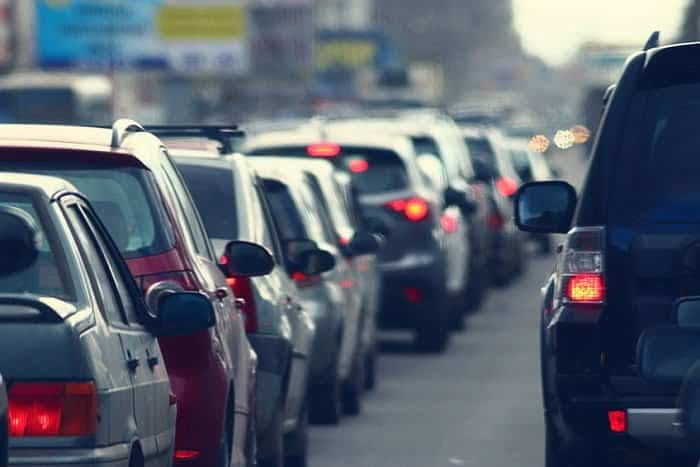
In the peak morning hours, the surge of vehicles merging from various Chitungwiza units meets a wall of traffic.
- Over 115 to exhibit at Mine Entra
- Young entrepreneur dreams big
- Econet bemoans power outages
- Govt opens ChiTown e-passport centre
Keep Reading
Motorists and passengers report a harrowing experience where the flow of vehicles drops to a complete standstill, sometimes lasting for five minutes at a time without an inch of movement.
“It is soul-destroying,” says one commuter, waiting near the Koala Park turn-off. “You sit there watching the minutes tick away while the engine idles.
By the time you reach town, you are already exhausted, and you haven’t even started your workday.”
The financial burden is equally heavy. With many workers earning in local currency, the $3 to $4 daily round-trip is eating significantly into household budgets.
For a worker travelling five days a week, transport alone now costs roughly $80 per month, a figure that exceeds the total transport allowance for many civil servants and private-sector employees.
Traffic experts suggest that the current infrastructure is no longer capable of handling the volume of vehicles from one of Zimbabwe’s most populous residential areas.
While the rehabilitation of Seke Road has improved the road surface, the lack of flyovers or expanded lanes at critical junctions remains a major hurdle.
As the gridlock continues, the residents of Chitungwiza are left hoping for a long-term solution, be it a dedicated commuter rail system or further road expansion, to end the daily “struggle to town” that has become a defining feature of their lives.