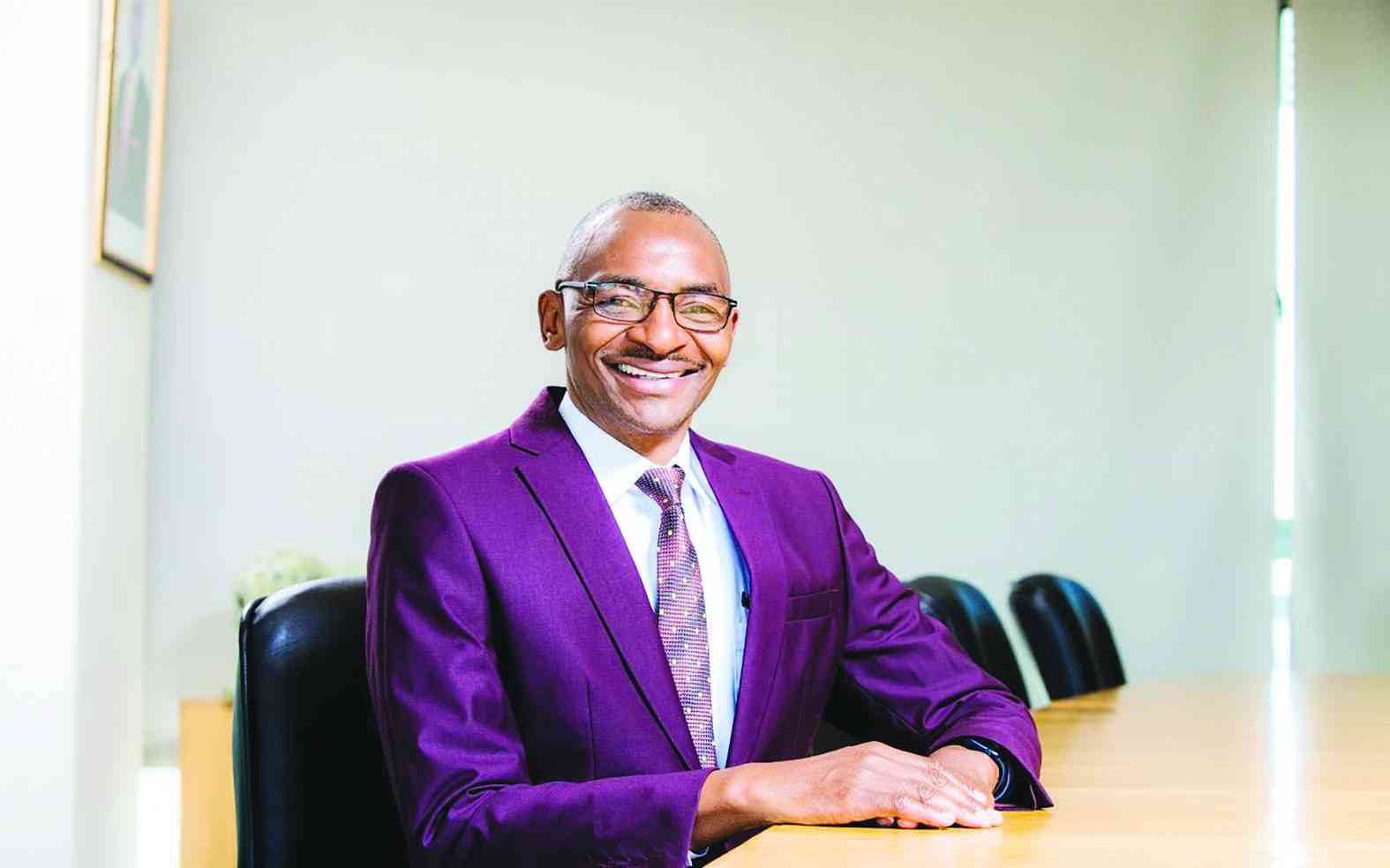
STATE-OWNED mobile network operator NetOne this week said it is deploying artificial intelligence (AI) to defend critical telecommunications infrastructure against growing cyber threats, highlighting how security concerns are increasingly driving investment decisions across Africa’s digital economy.
Speaking at an ICT summit in Harare, NetOne group chief executive Raphael Mushanawani said AI was no longer simply a tool for improving customer service or network performance, but had become a vital weapon in protecting telecommunications systems.
This comes as African governments and telecom operators confront a surge in cyber attacks targeting strategic infrastructure, prompting companies to invest heavily in technologies capable of detecting threats before they disrupt essential services.
“AI strengthens our cybersecurity, detecting anomalies and safeguarding critical infrastructure,” Mushanawani said.
As digital payments, cloud computing and online commerce expand rapidly across Africa, telecom operators are becoming custodians of vast volumes of personal, commercial and financial data, making them attractive targets for cybercriminals.
The growing threat has elevated cybersecurity from a technical concern to a boardroom priority, with operators increasingly viewing investment in artificial intelligence as a business necessity rather than an experimental technology.
NetOne’s strategy reflects a wider shift taking place across the global telecommunications industry, where companies are using AI-powered systems to monitor networks in real time, identify suspicious activity and predict vulnerabilities before they can be exploited.
Beyond security, AI is also being deployed to improve operational efficiency.
- Time running out for SA-based Zimbos
- Sally Mugabe renal unit disappears
- Epworth eyes town status
- Govt orders Marondera to re-advertise TC post
Keep Reading
According to Mushanawani, NetOne is using intelligent systems to anticipate network congestion, predict equipment failures and optimise performance across its infrastructure.
Such capabilities allow operators to move away from costly reactive maintenance towards predictive management models that can reduce downtime and improve customer experience.
For telecom operators operating in capital-constrained markets, the financial implications are significant.
Network outages can result in lost revenue, reputational damage and customer churn, while predictive systems can lower maintenance costs and extend the lifespan of infrastructure assets.
The company’s embrace of AI coincides with Zimbabwe’s efforts to position itself within the emerging global digital economy.
Earlier this year, the government launched a National Artificial Intelligence Policy aimed at promoting the adoption of AI technologies across industry and public services.
Mushanawani said NetOne was aligning its investment strategy with the policy, arguing that Zimbabwe should seek to become a contributor to technological innovation rather than merely a consumer of imported technologies.
The challenge facing many African economies, however, is that AI development requires significant investment in connectivity, computing power and digital skills.
Industry analysts say the continent risks being left behind if telecommunications infrastructure fails to keep pace with advances in artificial intelligence, data processing and cloud services.
That places operators such as NetOne at the centre of a broader economic transformation.
Telecommunications companies increasingly see themselves not merely as providers of voice and data services, but as digital infrastructure businesses supporting everything from financial services and e-commerce to healthcare and education.
“The future of telecoms will not be defined by faster networks alone,” Mushanawani said.
“It will be defined by smarter networks — networks that learn, adapt, anticipate and empower.”
As the country seeks to modernise its economy and attract investment, the resilience and security of its digital infrastructure could prove as important to future growth as roads, power stations and transport networks were to previous generations.