The lunchtime sun outside the crowded Johannesburg clinic was brutal, but the chill that settled in Thandiwe Ncube’s bones had nothing to do with the weather.
At 27, seven months pregnant, and carrying the future of her small world, she had come for a routine antenatal visit. She was nervous, anxious about the baby, but never about herself.
Ncube sat opposite the nurse, the paper slip on the metal desk between them seeming to glow with wicked light.
The nurse, whom she described as a kind South African woman whose voice was soft, used gentle phrases “we need to discuss follow-up care and viral load management”, but the single, overwhelming word that echoed loudest was: “Positive.”
“I noticed how the nurse was taking it slowly to talk to me and realised something was wrong,” Ncube told Southern Eye.
Ncube, whose first name means “Beloved” in Ndebele, recalled the discussion she had with her brother before she went to South Africa.
She remembered how they exchanged words when her brother was against the idea of going to South Africa.
All she could focus on was the life within her, the baby that now faced an unimaginable risk.
- Another ETF lists on ZSE
- Econet to use Buddie Beatz app to grow local music
- Edutainment mix: The artist in the child policy formulation context
- An unsung HIV/Aids hero spreads message of hope
Keep Reading
She was in a foreign land, so many kilometre from the granite hills of her home in Gwanda rural, Zimbabwean, grappling with a diagnosis that threatened to steal her hope.
Her immediate task was to bringing her partner, also a Zimbabwean migrant, to the clinic for HIV testing. When his results came back negative, the relief was instantly replaced by a deep, echoing gap.
The diagnosis created an invisible, undefeatable wall between them. The shame, the confusion, and the overwhelming fear proved too much for their fragile cohabitation.
They separated quietly, not with a fight, but with the painful, awkward silence of two people who no longer knew how to share the same small space.
For two months, Ncube navigated the last stretch of her pregnancy alone. She started her antiretroviral therapy (ARVs) dutifully, terrified but determined.
When her son was born, he was tiny and perfect, a small beacon of light in her overwhelming darkness.
She stayed in South Africa for three more months, battling postpartum depression, the stress of a new diagnosis, and the crushing poverty of a single mother with no legal immigration status or support structure.
Every day was a struggle to afford rent and food. Eventually, the pain of fighting alone eclipsed the shame of returning home. She reached for the only anchor she had left in Gwanda .
The response was immediate, unwavering, and restorative.
“Just get ready. I will handle the transport,” her brother promised.
“My partner left me in Johannesburg, where we were cohabiting; she was the only one working.
“I stayed for about three months without paying rent, and the landlord had sent me a notice to vacate the place, but I had nowhere to go.
“I then sent a WhatsApp audio to my brother in Zimbabwe asking him to help me relocate home.
“Fortunately, he did not ask many questions; he facilitated for malayitsha [the cross-border transporters known for moving goods and people between the two countries] to come and fetch me with all my belongings.
“They charged him extra for a baby so that we could cross the border without problems.”
Ncube shared her ordeal on the sidelines of a health outreach programme, which had been convened by the National Aids Council (NAC) and the Health and Child Care ministry at Samlodi business centre in Gwanda South last week.
“Within a week, the logistics were in place,” she said.
“My brother had paid money directly to omalayitsha.”
“The journey was long, cramped, and noisy, but I clutched my son tight, focusing only on the dust-red path ahead.”
As the heavily-loaded commuter omnibus finally crossed the Limpopo River and began the long drive into the Zimbabwean countryside, Ncube felt a physical burden being lifted from her shoulders.
Back in Samlodi village, she was hesitant to visit the local clinic for her antiretroviral treatment, but her brother encouraged her to visit the nearest Sengezeni clinic to update her files from South Africa.
The nurses at the clinic counselled her, not just on the medical aspects, but on nutrition, infant feeding and emotional resilience.
She continued her ARV course seamlessly, enveloped in a communal embrace that Johannesburg could never offer.
Another villager from Samlodi, Shylet Luphahla, said she had been receiving ART since she tested HIV-positive in 2008.
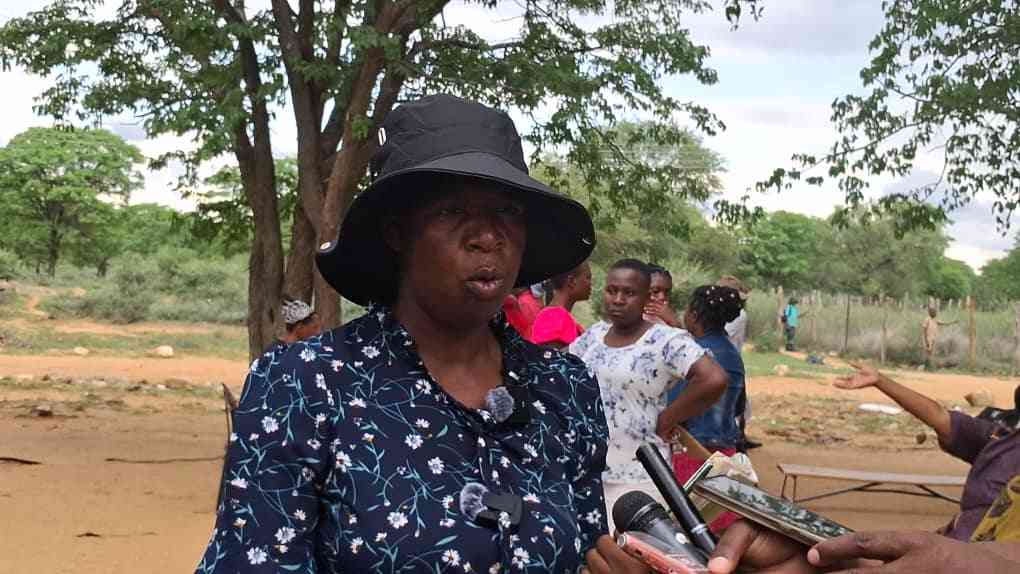
Luphahla narrated how the government, specifically through NAC has provided support, enabling her to maintain optimal adherence to her prescribed HIV treatment regimen.
According to a UNAids Global Report, in 2024, approximately 40,8 million people were living with HIV, with 1,3 million new infections and 630 000 Aids-related deaths globally.
The report highlights the need to boost resources and protect human rights to meet the 2030 goal of ending Aids.
Alice Moyo, NAC’s Gwanda district Aids coordinator, said they were emphasising the integration of HIV and Aids awareness efforts to align with the 2025-2026 World Aids Day theme, which is to overcome disruptions.
“Apart from funding withdrawal, stigma and discrimination remain one of the disruptions in the fight to end HIV and Aids,” Moyo said.
“Despite massive medical advances, these social barriers undermine prevention, testing, and treatment efforts at every level.
“Stigma also affects biomedical prevention.
“For instance, people may avoid using PrEP (pre-exposure prophylaxis) for fear that others will assume they have HIV or are promiscuous.”
Mgcini Sibanda, NAC’s manager for Matabeleland South, said the new biomedical intervention of PrEP would help in addressing the inequalities and vulnerabilities that are HIV and Aids-related.
He also highlighted that in areas with artisanal mining, women’s economic dependence on men makes it difficult for them to negotiate safer sexual practices.
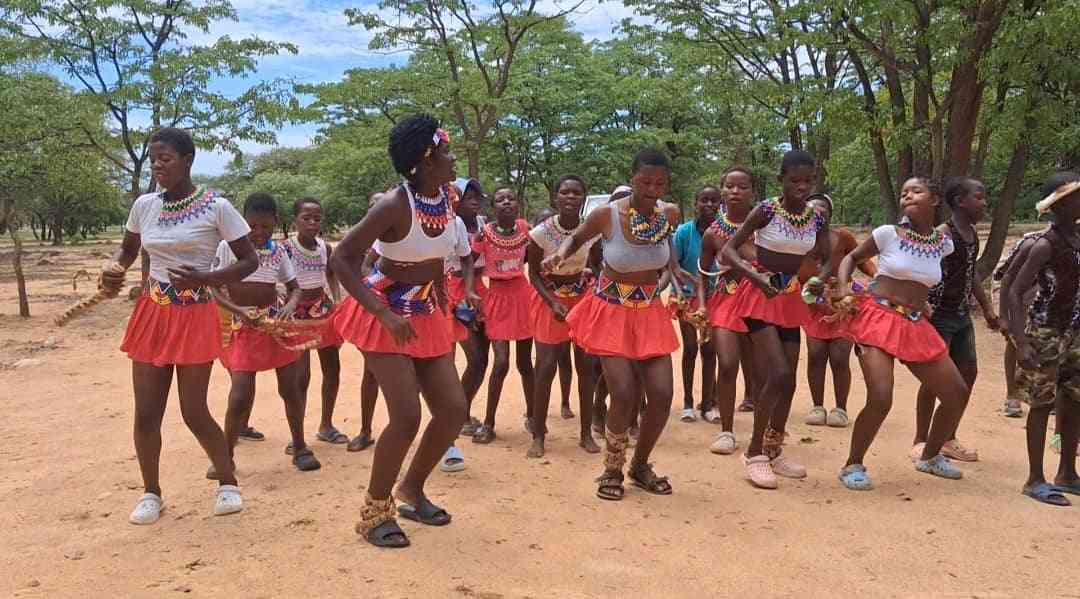
Meanwhile, as part of the “Not in my village” campaign, communities in Matabeleland South have incorporated cultural rooted approaches aimed at teaching girls about cultural values, ubuntu (humanity/togetherness) and the importance of respect and purity.
“Amatshitshi” (maidens) is one initiative in Matobo district under Chief Fuyane that addresses sexual and reproductive health by promoting abstinence and sexual purity within a cultural framework.
The “Not in My Village” campaign led by adolescents and young people themselves, through the Young People’s Network on Sexual and Reproductive Health and Rights, HIV and Aids, and working with NAC and spearheaded by traditional leaders in their respective communities, seeks to address the pressing issues of child marriages and teenage pregnancies as well as drug abuse in Matabeleland South province.
“The idea is to distract them from bad activities, which can lead them to drug and substance abuse,” said Mahetshe village head Shakespeare Ndlovu.
Mahetshe village head Shakespeare Ndlovu

“We believe such activities can increase their vulnerability to sexually transmitted diseases.
“The campaign does not only cover issues to do with early child marriages, but we focus on everything that is socially acceptable to our culture.”
Today, Ncube is 30, grounded in her community, and flourishing.
Her son is an energetic, healthy three-year-old, a constant, joyful testimonial to her fight.
Every time she watches him chase a chicken in the yard or giggle while playing with other children, she is reminded of the powerful intervention of hope, family, and compassionate healthcare.
The diagnosis in a foreign land was the end of one life, but the journey home was the beginning of a life worth fighting for.