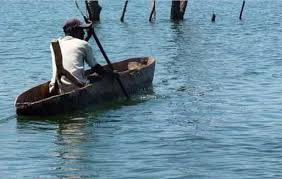
LAKE Kariba glistens under the southern African sun, its massive waters a reminder of an engineering triumph that reshaped a nation.
But for the Tonga people, the lake is a scar. In the late 1950s, the Zambezi River was dammed to create the Kariba Dam, flooding the fertile valley where the Tonga had lived for centuries.
British colonial authorities, the Federal Power Board, and later the World Bank backed the project, promising electricity and development.
What followed was the forced relocation of about 57,000 Tonga—23,000 on the Zimbabwean side and 34,000 in Zambia.
Families were loaded onto trucks, cattle were herded for days, and ancestral shrines vanished beneath the rising tide.
Mailos Mutale, an elder from the valley, recalled the moment the water rose
“We were the river’s children. Now the river swallows us whole,” Mutale said.
The resettlement sites were harsh, rocky, low-rainfall lands on the escarpments of Binga and Lusitu, far from the alluvial riverbanks that had sustained generations.
- ‘Binga not fully marketed’
- Increased poaching in Kariba threatens fish farming
- Kariba fishing tourney breaks with tradition
- Feature: Villagers brace for another displacement. This time, It’s for coal
Keep Reading
Crops failed, malnutrition rose, and the Tonga were left without electricity, clean water, or schools—ironically, the very benefits the dam was supposed to deliver.
“We were treated like animals, packed in lorries and dumped on unknown terrains,” John Siatwiinda added.
Another villager, Mary Siagotola, echoed similar sentiments.
“If fields could be carried, we would have taken them with us,” she said.
Official compensation was minimal.
In Zambia, the government gave US$270 per person in the 1950s, while Zimbabwe offered a two-year food handout that did little to restore lost lands, culture, or livelihoods.
Decades later, the Zambezi River Authority (ZRA) admitted no liability but acknowledged the shortfall, establishing the Zambezi Valley Development Fund (ZVDF) in 2000 to fund small projects—grinding mills, clinics, and a few school blocks.
Yet these initiatives barely scratch the surface of a community now numbering 300 000 Tonga people in Zimbabwe alone.
Activist groups like Basilwizi Trust argued that the displaced have never truly benefited from the dam’s electricity or water tariffs, which continue to flow to urban centres and mining interests.
Kalulu Mumpande, a cultural activist, said the question of compensating the BaTonga people remains both painful and unresolved.
“No amount of financial restitution can ever truly match the loss endured since the forced relocation of the 1950s,” Mumpande said.
“Entire generations that should have received justice have passed on, and those who witnessed the displacement are now elderly.
“What the BaTonga lost was more than land.
“They lost the opportunity for generational prosperity; today they are entangled in socioeconomic challenges.”
Samson Nyowani (80), who was moved to Sitikwi, Zambia, said his village still has no electricity, forcing children to study by candlelight
“Our children write their dreams on the backs of darkness,” Nyowani said.
Chief Binga lamented the loss of cultural sites and shrines, noting that poverty in Binga sits at 88.3 %, far above the national average.
Lubaya Munchimba, another elder, recalled the day soldiers burnt villages and the “two-year food handout” that never sustained them.
“Our gods never helped us again.They drowned with our fields,” Mucnhimba said.
Recent dialogues at COP29 and local NGOs push for reparations, citing the UN Declaration on the Rights of Indigenous Peoples (UNDRIP) and urging governments to honor the promises made 70 years ago.
The World Commission on Dams flagged Kariba as a “traumaridden crash programme” and called for benefit-sharing mechanisms, yet tangible progress remains scarce.
Legal avenues are opening as communities explore constitutional rights to compensation and benefit-sharing from electricity sales.
The Gwembe Tonga Development Project (GTDP) and ZVDF aim to improve infrastructure, but funding gaps persist. International pressure mounts, with activists hoping global climate and human-rights forums will spotlight the Tonga’s plight, forcing governments to act.
Stephen Murota, director of Tujane Trust, said: “Despite not receiving any form of compensation from the government, we would be much happier to see government policies prioritize us—to have the privilege of access to kapenta and gilnet fishing permits as empowerment to support local livelihoods.
“Instead, the BaTonga are further suppressed by being denied access rights to fish on Lake Kariba, our forefathers’ land.
“This current practice is unfair and dehumanizing.
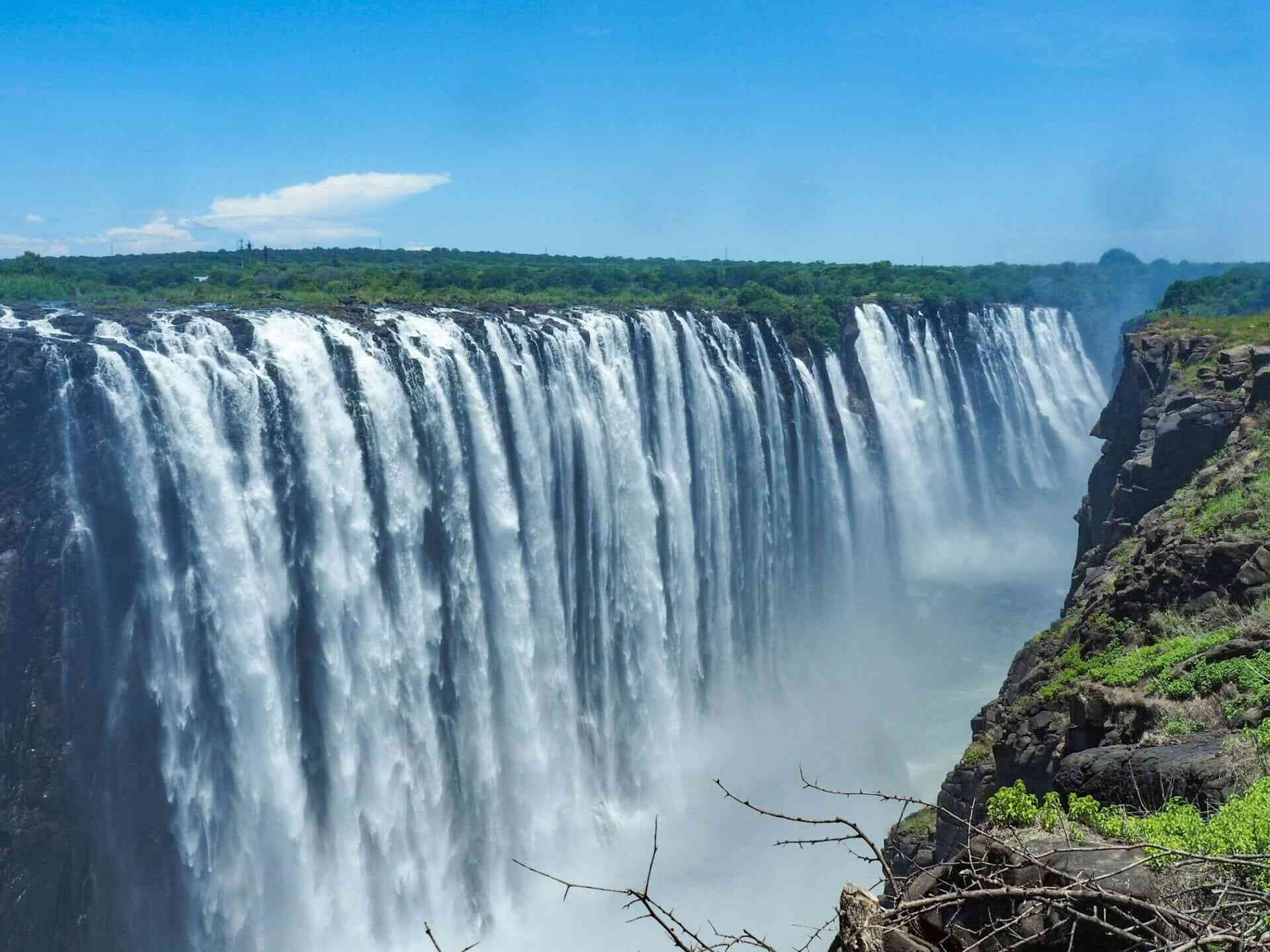
“Culturally, remember that Lake Kariba is our heritage and legacy as a Tonga tribe, like any other heritage site—Great Zimbabwe, Chinhoyi Caves, Matobo Hills, Victoria Falls.
“It is a treasure to bequeath to our coming generations, should policy favour the locals first, according to the devolution in our 2013 constitutional amendment.”
For a people who once thrived along the Zambezi’s banks, the river now mirrors their struggle—a source of power for distant cities, yet a reminder of loss for those left behind.
Luunga Visionary Trust director Quegas Mutale said compensation for the Tonga people in Zimbabwe remained a bone of contention.
“Reading through Michael Tremmel’s book‘The Tonga Hoped Water Would Follow Them’ shows a lot of unfulfilled promises,” Mutale said.
“The Tonga people languish in food insecurity due to climate-induced droughts, which have increased in frequency and intensity, making them rely on handouts from the government, church, or civil society organisations.
“They lost their ancestral lands and, with them, some traditional practices.
“There seems to be limited effort to revitalise these practices, which are important for their survival.”
He said today the Tonga people along the Zambezi Valley suffer human-wildlife conflict, and remain marginalized.
“Though the government and private actors have made efforts to improve communication systems, there are places with no connectivity, causing a digital divide,” he said.
“Even the road networks are in a bad state, creating an island for these people, as the places are not easily accessible.
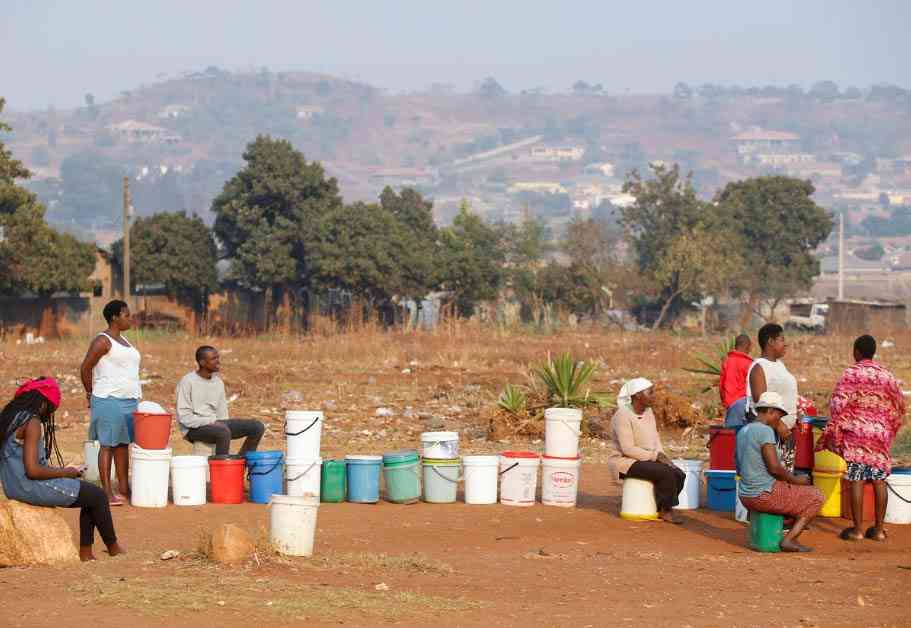
“People face water scarcity compared to the period before relocation.
“The majority of the Tonga communities lack access to potable water and electricity, while areas far away receive these services.
“I feel more needs to be done to compensate the Tonga people for their relocation.”