For decades, communities in Binga have endured chronic water shortages that undermined health service delivery, disrupted education and deepened poverty in one of Zimbabwe’s most climate-vulnerable districts.
Now, a major water rehabilitation project implemented by the government of Zimbabwe and the United Nations Development Programme, with support from the Foreign, Commonwealth and Development Office, is reversing years of neglect by restoring reliable water access to thousands of people.
The rehabilitation and upgrading of a 65-kilometre Zimbabwe National Water Authority (Zinwa) piped water system in Mlibizi has extended clean water to more than 40 000 people, 10 schools and two rural health centres.
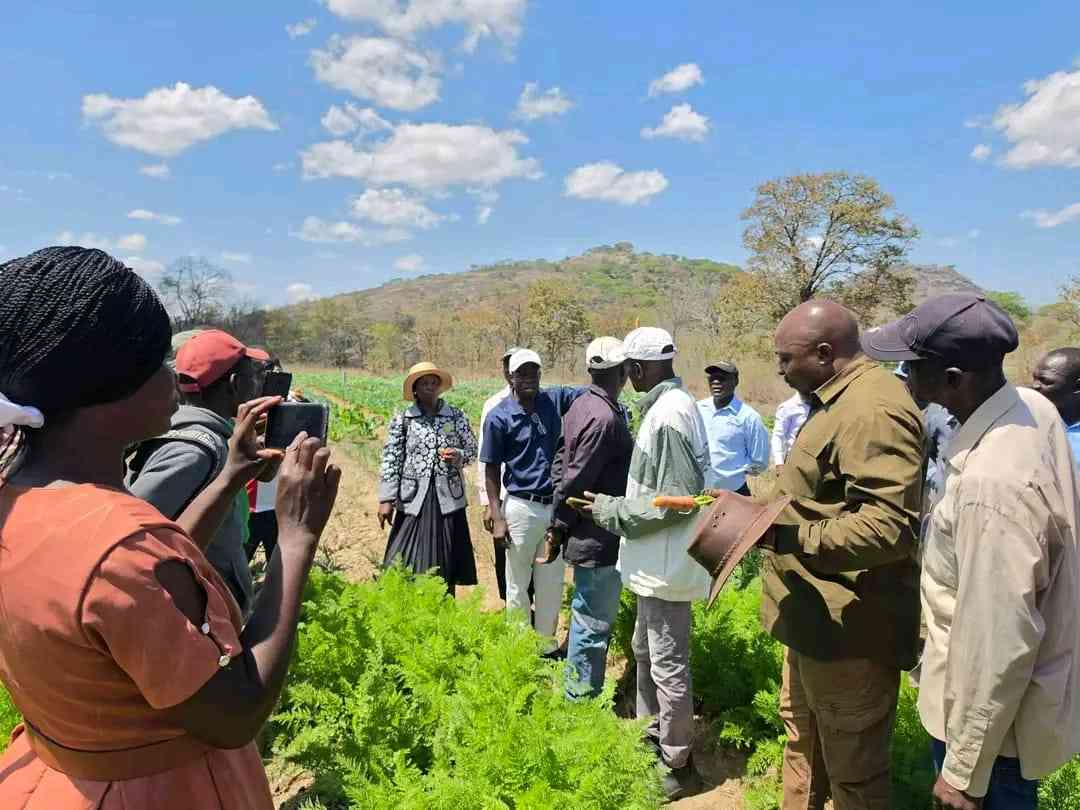
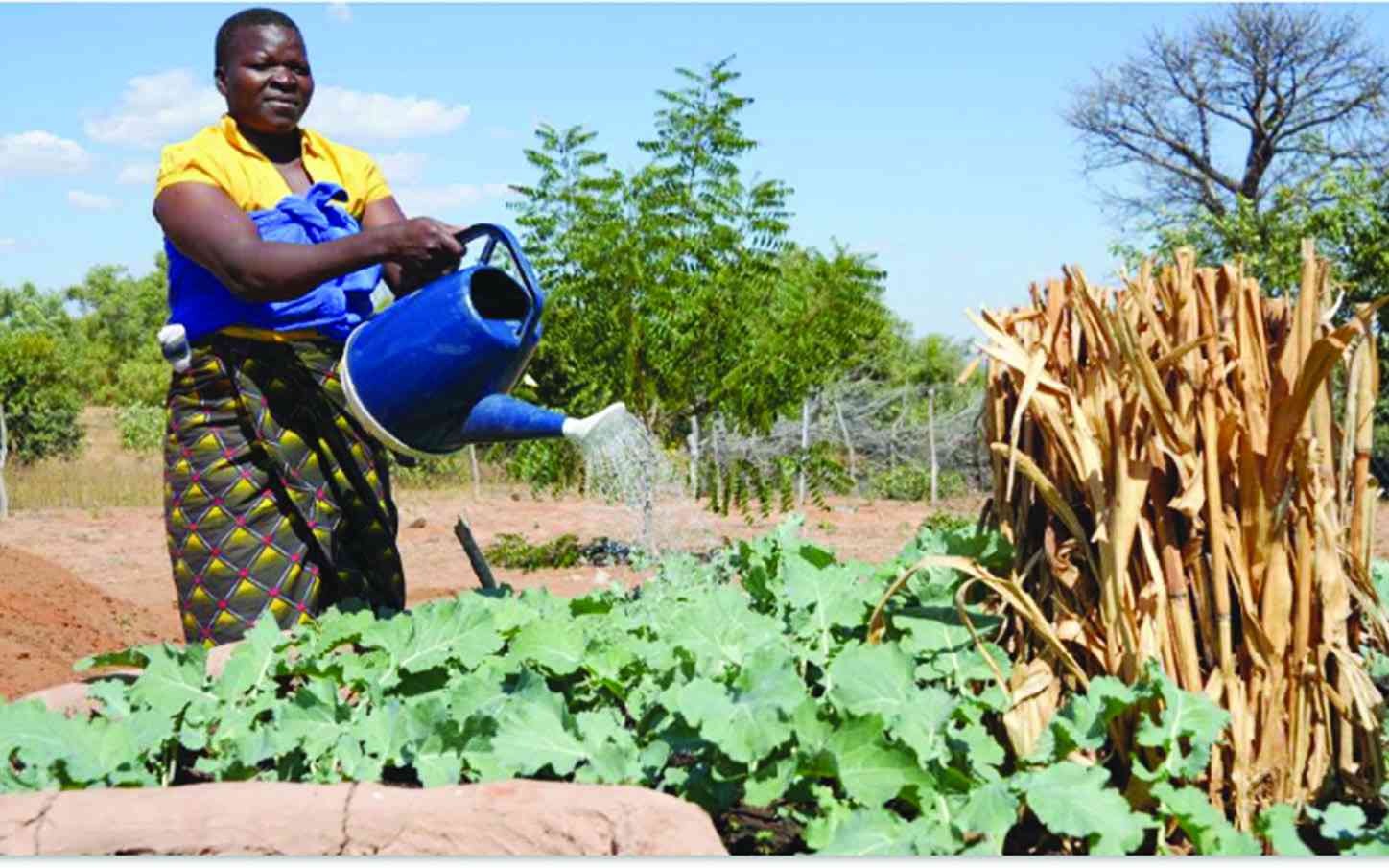
It also supplies bulk water to a 20-hectare irrigation scheme and four one-hectare community gardens benefiting 188 households.
Binga, located in Matabeleland North, is among the districts hardest hit by climate variability, recurrent droughts and poor infrastructure.
Communities have long depended on unsafe water sources, often walking long distances to fetch water, a burden that has disproportionately affected women and children and disrupted schooling.
At Siansundu Rural Health Centre, the absence of running water previously compromised basic healthcare delivery.
Nurse-in-charge Gideon Muzamba said the situation often forced staff to rely on nearby boreholes or ask patients to fetch water.
- Secure your business premises: Police
- Police sweat over missing student
- Chinotimba lives another day
- New law answers exhumations and reburials question in Zim
Keep Reading
“We had water in the Zinwa system, but it was no longer functional. That made it very difficult to maintain hygiene, especially in critical areas,” he said.
Since the rehabilitation of the system, the health centre now has running water throughout the facility, including in nurses’ wards and the labour ward — a development Muzamba describes as transformative.
“In the labour ward, water is essential for cleaning, sanitation and infection control. With running water, we can safely conduct deliveries, wash linen and maintain hygiene for both staff and patients,” he said.
The improved water supply has also strengthened infection prevention and control measures, reduced delays in service delivery and improved the administration of medication, particularly for vulnerable patients.
Beyond health facilities, the intervention has had a significant impact on education. Ten schools connected to the upgraded pipeline have gained access to clean water and solar power, improving learning conditions in remote areas where electricity was previously nonexistent.
At Bunsiwa Primary School in ward 10, Siachilaba area, school development committee chairperson Leonard Mudenda said the project transformed school life.
“For the first time, learners and teachers have access to clean drinking water at the school. Handwashing facilities have improved sanitation and the learning environment is now healthier,” he said.
The installation of a 5kVA solar system has enabled the school to operate beyond daylight hours, supporting administrative work and improving overall learning conditions.
According to project implementers, the integration of water, energy and food security is designed to build community resilience. The irrigation scheme and community gardens are expected to boost household incomes, strengthen food security and empower women through income-generating activities.
Despite the progress, challenges remain. Muzamba said some surrounding communities were still without reliable water supply and called for the expansion of the project to additional catchment areas.
“There is also a need to rehabilitate non-functional solar lighting systems at health facilities to ensure emergency services can operate at night,” he said.