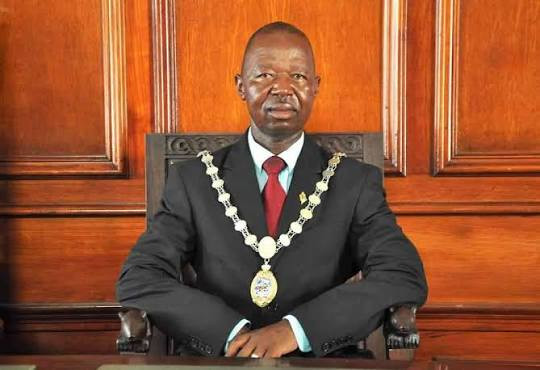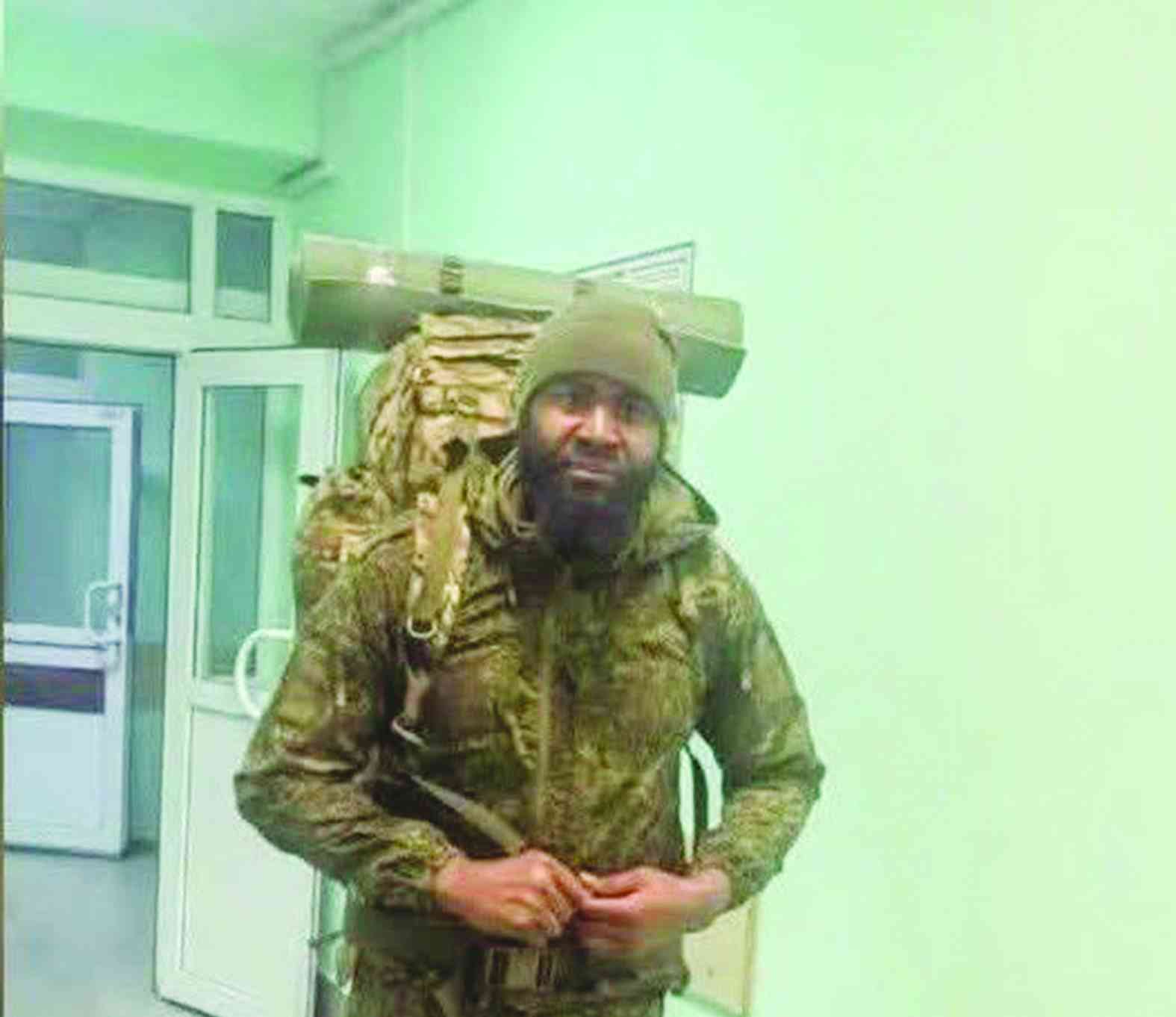
THERE is renewed concern over the existence of shadowy recruitment networks targeting locals from Matabeleland and other African nationals to participate in the on-going Russia-Ukraine war.
This follows the death of a Zimbabwean, Mandla Ncube, who was killed in Ukraine’s Donbas region after being recruited to fight for Russian forces.
In a message shared with Southern Eye following his death, Ncube’s wife said: “Inkosi ivumele ma love lawe ubuzama impilo njengamanye amadoda,” reflecting that he had gone in search of a better life, like many other men.
Reports indicate that Ncube is among other foreign nationals recruited through agencies operating in KwaZulu-Natal, South Africa, before being deployed to the war.
Indications are that the recruits are promised lucrative salaries of up to US$2 500 per month.
LEAD president Linda Masarira said death of a Zimbabwean citizen in a foreign war was deeply concerning and should alarm the nation.
“Zimbabweans and Africans, more broadly should not be cannon fodder in conflicts that are not of their making, driven by geopolitical interests far removed from our people’s welfare,” she told Southern Eye yesterday.
“Poverty and unemployment are being weaponised against vulnerable young people, turning economic hardship into a pipeline for exploitation.”
- Shadowy networks target locals to fight in Russia-Ukraine war
- Zim abstains from UN vote to end Russia-Ukraine war
- Another Zimbabwean killed in Russia-Ukraine war
- Zim death toll in Russia-Ukraine conflict rises to 18
Keep Reading
Masarira said the government had a constitutional and moral obligation to protect its citizens at home and abroad.
“This requires urgent action like issuing clear travel advisories, investigating recruitment networks operating within or outside our borders, strengthening consular support and engaging diplomatically to ensure Zimbabweans are not unlawfully recruited into foreign conflicts.
“Beyond immediate measures, government must address the root causes of joblessness, lack of opportunity and economic despair, which make our citizens easy targets for exploitation.”
South Africa-based lawyer Velempini Ndlovu echoed similar sentiments.
“At the same time, this story is a sobering warning. Travelling abroad to fight in foreign conflicts carries extreme risk, not just physical danger, but legal, social and emotional consequences,” Ndlovu said.
“This is a painful reminder that courage and adventure can sometimes come with irreversible consequences.
“Compassion is needed for the family, but prudence must guide those who may be tempted to follow similar paths.”
NewsDay has previously reported on Zimbabweans allegedly trapped in Russia’s Alabuga programme, a scheme marketed as a training and entrepreneurship initiative, but now linked to drone manufacturing in the Alabuga Special Economic Zone.
South Africa last year launched a probe into the recruitment of its citizens to the Russia-Ukraine conflict.
Russian embassy officials defended the Alabuga Start programme as a shining example of Russia-Africa co-operation aimed at training highly skilled personnel in fields such as drone manufacturing.
The Russian government also provides scholarships for Zimbabwean students to pursue studies in Russia as part of the Russia-Africa study initiative.