A SURVIVOR of the Gukurahundi atrocities has called on Zimbabwe’s younger generations to rise above historical divisions and embrace unity as a pathway to national healing.
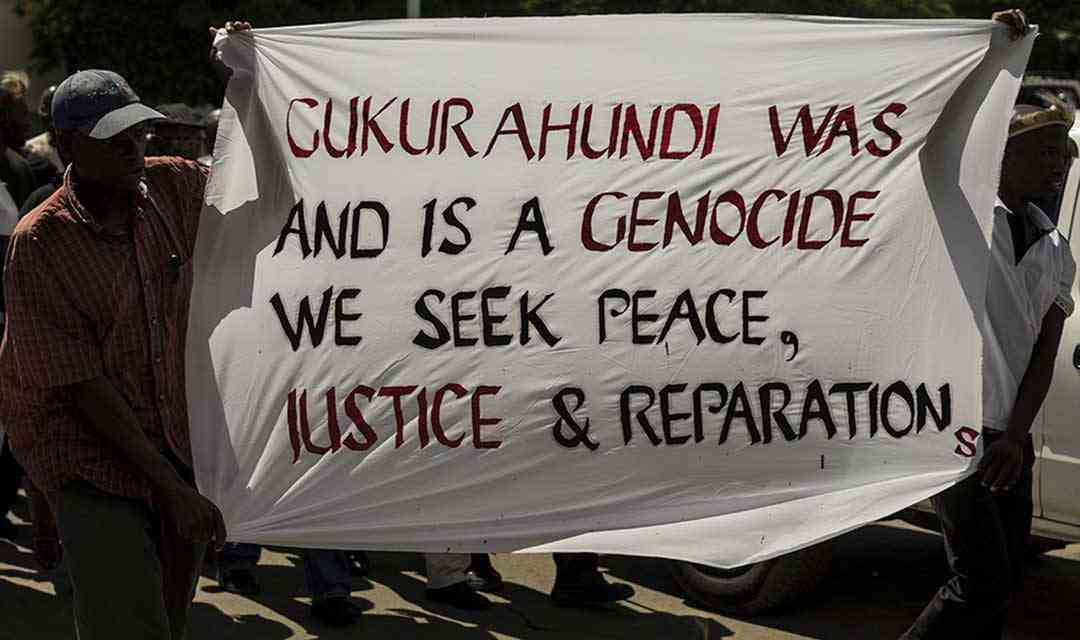
This emerged on Tuesday afternoon during the Ibhetshu Lika Zulu annual commemorations marking January 20, the date that signifies the beginning of the Umbuqazwe/Gukurahundi genocide in 1983.
On the day, the pressure group filmed a video titled Bhalagwe Is Burning, produced by Moyoxide Ideations, in memory of a leading Gukurahundi justice advocate, the late Member of Parliament for Nkulumane, Desire Moyo.
Speaking after the staged play depicting the violence of the 1980s, Gukurahundi victim Mdaka Sibanda reflected on the trauma endured by communities in Matabeleland and parts of the Midlands, saying true healing for survivors can only be achieved when young people reject tribalism, stand together and build a future rooted in solidarity rather than division.
“I am from Silobela, and I am a victim of Gukurahundi. I was severely beaten and assaulted,” he said.
“I was forced to flee and came to Bulawayo, but they followed us here as well.
“The violence later spread to areas such as Luveve 5, before moving on to Tsholotsho, although at some point the police worked very hard to stop it.”
Sibanda described the play as offering only a glimpse of what victims endured, stressing that while artistic portrayals are important, they cannot fully capture the brutality of the atrocities.
- Ziyambi’s Gukurahundi remarks revealing
- Giles Mutsekwa was a tough campaigner
- New law answers exhumations and reburials question in Zim
- Abducted tourists remembered
Keep Reading
He urged younger generations to let the past guide them toward unity rather than division.
“The play portrayed some of the things that happened to us — the beatings, the assaults, and the way we were treated, but it does not come close to what we actually experienced.
“My wish is that this generation, regardless of tribe or place of origin, should move away from what happened and from what the government did to us, and instead choose unity.”
Artists and cultural practitioners have increasingly become central to advocating for truth-telling and justice around the Gukurahundi genocide, using creative platforms such as theatre, film, and literature to amplify survivors’ voices and keep the call for genocide hearings alive.
Recently, writer Styx Mhlanga launched a book titled eSizibenise Ngwenya, which interrogates the Gukurahundi experience through storytelling, adding to a growing body of artistic work aimed at preserving memory, demanding accountability, and educating younger generations about the atrocities.
Sibanda further added that internal divisions within affected communities worsened the suffering.
“Even during the genocide, we as the Ndebele were not united. There were times when people from our own group would betray us, leading to others being beaten. That was wrong, and it is unfortunate that similar divisions still exist today,” Sibanda said.
“I feel that we played our part and endured great suffering. Now the younger generations must take it forward and make us proud.
“The only way we, as victims, can truly heal is to see young people united — one people, one blood.”
Sibanda emphasised that Zimbabweans must reject tribalism, noting that the liberation struggle was fought collectively and should not be followed by renewed divisions.
Between 1983 and 1987, an estimated 20000 people were killed, hundreds of thousands disappeared, many displaced or maimed, tens of thousands of women and girls raped, and hundreds of thousands of homesteads destroyed in Matabeleland and the Midlands, according to the Catholic Commission for Justice and Peace in Zimbabwe.
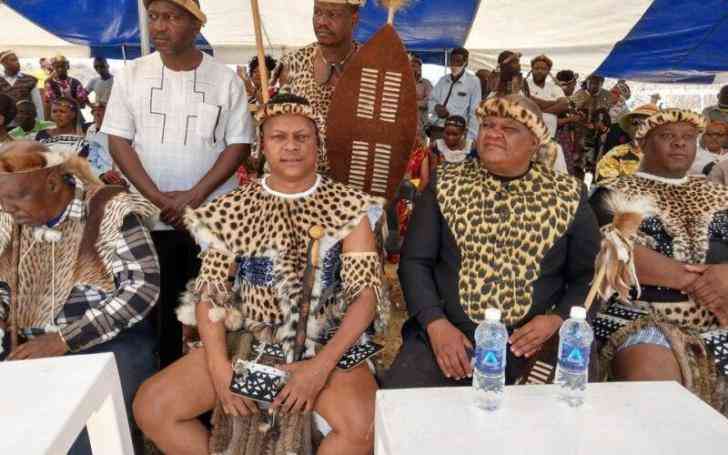
Ibhetshu Lika Zulu secretary Mbuso Fuzwayo said the human, economic and social costs of the genocide were unimaginable and continue to be felt to this day.
“Victims of the genocide are still crying out for real closure.
“We implore seriousness, which is glaringly lacking in the chiefs’ outreach process that is shrouded in secrecy.
“The limited feedback we receive from participants points to a flawed and half-hearted process,” Fuzwayo said.
“We will continue our advocacy for a transparent, victim-centred process that will genuinely address acknowledgement, truth-telling, justice, dignified reburials, and
compensation.”
Meanwhile, Gukurahundi victims have raised concerns that many survivors are dying without receiving compensation, questioning the outcomes of meetings led by traditional chiefs and community panels in Matabeleland, where the massacres were carried out.