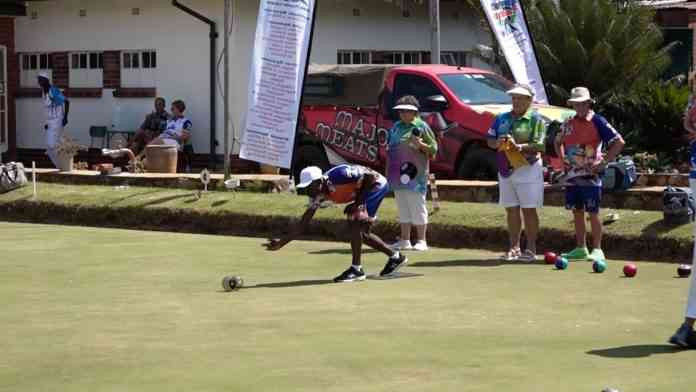
Zimbabwe’s social Bowls Premier League roared into life this week as teams from across the country gathered for the first tournament of the year, promising fierce competition, attractive prize money and growing regional interest.
League director Lionel Coventry said the competition features 12 teams battling it out in an 11-round round-robin format, with matches played in pairs and trips.
“The teams are made up of between six and 12 players, and we select our own players from around the country,” he said.
“There is no controlling body telling us who to pick. You must play a minimum of five players each round and rotate your reserve at least three times.”
Coventry said the tournament will rotate between Bulawayo, Harare and Kadoma, with the grand finale set for Bulawayo.
In a major boost for the league, three teams from Namibia and three from South Africa have been invited to participate later in the season.
“If you finish in the top six, you will get the opportunity to compete against the invitational teams from Namibia and South Africa,” Coventry said, adding that both countries had confirmed participation and were expected to submit their team details before August.
He described the league as a social competition with prize money, operating independently but with the blessing of Zimbabwe Bowls.
- Revisiting Majaivana’s last show… ‘We made huge losses’
- Edutainment mix: The nexus of music and cultural identity
- ChiTown acting mayor blocks election
- Promoter Mdu 3D defends foreigners 30 minute set
Keep Reading
“We run it ourselves under an executive. It is not attached to any specific club, even though we use different venues,” he said.
The tournament boasts US$3 000 in prize money and features an auction system where supporters bid on teams, with 70% of the auction proceeds going to the winners.
“Sometimes it pays up to US$1 500 for the winner of the auction,” Coventry said.
He praised sponsors for making the event possible, singling out Budget Meat Shop as the main sponsor this year. Other businesses have also contributed towards prizes and logistics.
“Without the sponsors, this would not have happened. They have really come to the party,” said Coventry.
The league has also been driving a schools development initiative aimed at reviving interest in bowls among young players, although challenges remain in securing recognition as an official afternoon sport in schools.
Despite the hurdles, Coventry said increased competition was sharpening players’ skills.
“We used to meet once a year at nationals. Now we are playing more competitive bowls throughout the year, and that improves our standards,” he said.
He added that the initiative would strengthen national selection prospects ahead of upcoming continental competitions.