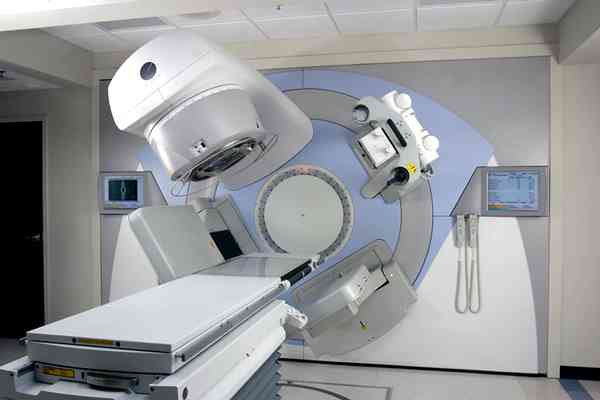
MPILO Hospital has received three new cancer machines through a government initiative aimed at improving cancer treatment services in the country, funded through the sugar tax revenue.
The sugar tax, officially known as the Special Surtax on Sugar Content, was introduced in 2024, targeting sugar-sweetened beverages to fund cancer diagnosis and treatment.
It was initially set at US$0,002 per gramme of sugar but was reduced to US$0,001 in February 2024 following objections from the beverage industry. Reports indicate that the sugar tax, introduced to combat non-communicable diseases, had accumulated over US$60 million by early 2026, with over US$30 million collected by late 2024.
The arrival of the machines marks a major step in strengthening Zimbabwe’s cancer treatment infrastructure as the government leverages sugar tax revenue to expand access to life-saving oncology services.
Speaking during a tour of the hospital, Health and Child Care deputy minister Sleiman Kwidini said the machines were expected to significantly enhance the hospital's capacity to treat cancer patients.
Mpilo chief biomedical equipment officer, Vulindlela Dube, said they had received three cancer machines: a new CT scan and two linear accelerators.
“A low-energy and a high-energy machine (have also been procured). The low-energy machine is already in the country and the decommissioning process has started,” he said.
Dube said hospital authorities were in the process of removing the old machine to make way for the new one, adding that the process is expected to be completed early next week.
- Zimbabwe’s human wildlife conflict compensation scheme met with scepticism
- Mpilo Hospital cancer machine set for revival
- Help call for croc attack survivor
- PSMI worker commits suicide over mounting debts
Keep Reading
“The stripping has been done and the contractor is waiting to move in riggers to break it into smaller pieces and secure it into the rigging system,” he said. “The equipment will be reallocated to another hospital in the country for reuse.”
During the tour, Mpilo Hospital physicist Charles Matope said the installation would involve two phases: acceptance and commissioning.
“These are rigorous physics tests that will be done to ensure the machine is ready for clinical use,” Matope said, adding that the tests were expected to take 12 weeks to complete.
Kwidini urged the team to expedite the process.
“We need to shorten the period. We need proper tests and procedures to be followed because these are life-saving machines and some patients are dying,” he said.
Kwidini added that the government was also sourcing additional cancer radiation machines from Switzerland, aiming to equip all central hospitals before expanding
to other provinces and districts.