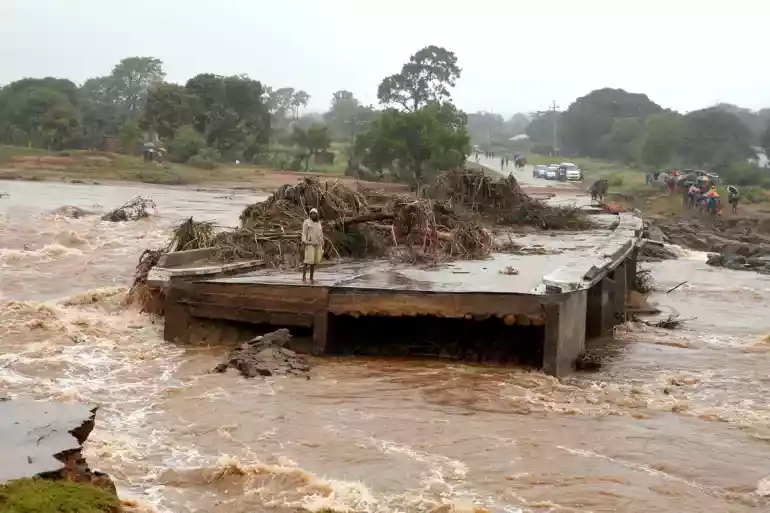
For 12 agonising hours, Chamauya Chimbikidzai, a pregnant woman, clung to a tree trunk in the middle of the surging Mutirikwi River.
Her life and that of her unborn child hung by a thread as the current roared beneath her.
Beside her, Cliff Chikara and Brighton Rugwevera fought their own desperate battles against the water.
They were waiting for a rescue that would come too late.
The ordeal began on March 12, 2026, in Masvingo’s Zaka South Constituency when a makeshift boat—a common but perilous mode of transport in the region—capsized, marooning the three passengers.
What followed was a harrowing night spent “clinging to tree trunks and shrubs” as the river rushed beneath them.
The tragedy has now reached the halls of the National Assembly this week sparking a heated debate over the nation’s disaster preparedness.
Zaka South MP Clemence Chiduwa rose in Parliament to call for “urgent national attention” to the need to resource the Civil Protection Unit (CPU) and the Rural Infrastructure Development Agency (Rida).
- Parliament relives deadly Zaka floods
Keep Reading
Chiduwa revealed that the local district CPU was paralysed by a “lack of essential rescue equipment”.
Help eventually had to be dispatched from Zvishavane, but the sub-aqua unit was delayed by an additional three hours due to “impassable roads”.
“The loss of life in Zaka South was not a local tragedy; it is a national warning,” Chiduwa told the House, arguing that “disaster response delayed is disaster response denied”.
He noted that while Chimbikidzai was eventually pulled to safety, Chikara and Rugwevera succumbed to the river before help arrived.
For Chiduwa, the incident “reminds us that institutions without tools cannot save lives”.
However, Jacob Mudenda, the speaker of the National Assembly esuggested the issue lies in communication rather than just equipment.
He argued that the district disaster civil committee should “publicise a hotline, that will then connect with the national civil disaster organisation”.
According to b Mudenda , “the helicopters from the army are always ready to come in” and have done so during previous disasters like Cyclone Idai.
He maintained that a direct line to headquarters would allow the army to “react accordingly”.
For the families in Zaka South, the policy debate over hotlines and funding comes too late.
The incident remains a grim reminder of the high stakes of infrastructure neglect.-