Bulawayo stands at a dangerous crossroads where water scarcity and poor sanitation are converging into a looming public health crisis.
Reports from Ward 6, where residents are raising alarm over filthy school toilets and suspected disease outbreaks among pupils, are not isolated complaints—they are warning signs of a system under strain and a council losing focus.
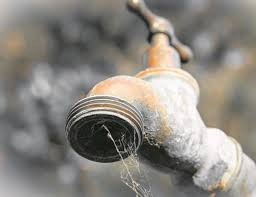
At a time when water rationing has become a harsh daily reality, the importance of maintaining basic hygiene standards cannot be overstated.
Yet, children are being exposed to unsafe sanitation conditions, returning home ill from environments that should nurture their growth.
The failure to ensure clean, monitored school facilities reflects a broader breakdown in service delivery that risks fuelling outbreaks of waterborne diseases such as cholera and typhoid.
What makes this situation even more troubling is the conduct within the Bulawayo City Council itself.
Instead of presenting unity and urgency in addressing the city’s worsening water crisis, councillors have descended into chaos, with infighting and even violence overshadowing critical decision-making processes.
The turmoil surrounding the proposed water utility transition exposes a leadership distracted by power struggles while residents endure dry taps and deteriorating sanitation.
- Uproar over census figures
- Byo Arts Festival in turmoil…One year later, festival has yet to pay artists…Organisers play cat and mouse with artists
- Bulawayo struggles to clear housing backlog
- Council acts tough on debts
Keep Reading
This is not merely a governance issue—it is a moral failure.
Council officials cannot afford to prioritise factional interests over the health and dignity of the people they serve.
Every moment spent in internal disputes is a moment lost in addressing blocked sewer systems, unclean public facilities and inconsistent water supply.
The council must act decisively. Immediate steps should include routine sanitation inspections in schools, increased water delivery to critical institutions, and public health awareness campaigns to mitigate disease risks.
Longer-term, transparency and accountability in the water utility transition process are essential to rebuild public trust.
Bulawayo deserves leadership that rises above petty conflicts. In the face of a potential health emergency, the council must refocus, unite and deliver.
The cost of inaction will not be measured in political losses, but in human lives.