AFTER years of crippling shortages and strict rationing, Bulawayo residents could soon see an improvement in water availability following a relatively favourable 2025-26 rainy season that has boosted dam levels.
Deputy mayor Edwin Ndlovu said the local authority was testing new water supply schedules, although officials were yet to make a formal announcement.
“We are seeing that the rainy season is slowly coming to an end. We are thankful to God, the dams have water. They are not full to capacity, some of them, but the water is there,” he said.
“So these days, we are trying to ensure that residents of Bulawayo get water. We haven’t said publicly how we are giving it to them, we are still on trial runs.
“If we can supply them in a reasonable manner — maybe 48 hours a week or 24 hours a day — that will be proper. We are still testing.”
The city, long plagued by chronic water shortages driven by low rainfall, ageing infrastructure and rising demand, has begun to see a gradual easing of supply pressures.
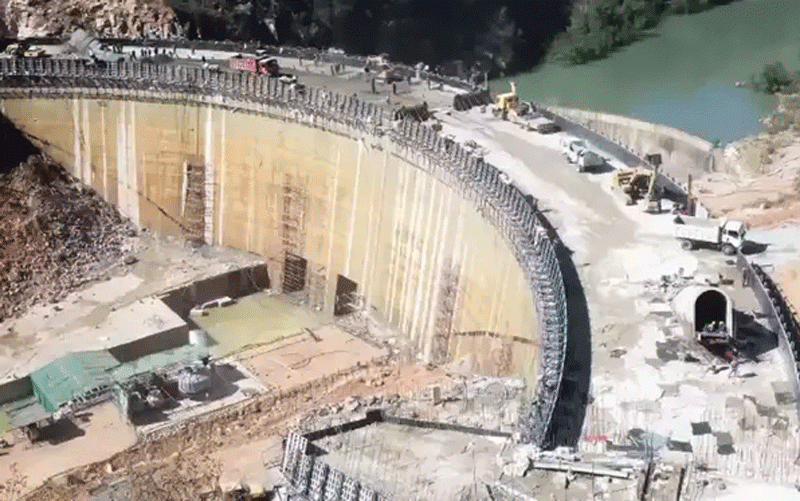
Bulawayo relies on a network of supply dams, including Mtshabezi, Insiza, Inyankuni, Lower Ncema, Upper Ncema and Umzingwane.
In recent years, erratic rainfall patterns linked to climate variability have left these reservoirs critically low, forcing the city to implement prolonged water-shedding programmes that at times left residents receiving water only once a week.
- Water shortages hit Gutu-Mpandawana
- Byo residents condemn council directive on swimming pools
- Power cuts hit Karoi water supplies
- Fire destroys city flats
Keep Reading
Recently, acting director for water and sanitation engineer Kwanele Sibanda said the situation had improved significantly this season.
As of April 14, the Zimbabwe National Water Authority said Mtshabezi was 100% full, Insiza (84,9%), Inyankuni (30,6%), Lower Ncema (35,8%), Upper Ncema (56,3%) and Umzingwane (50,2%).
Umzingwane was decommissioned in November 2023 due to critically low levels, but recent water inflows have seen the dam being brought back on stream.
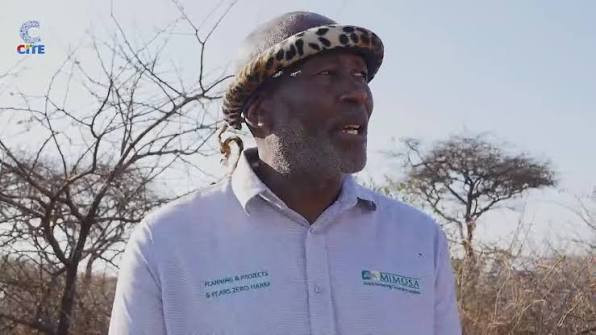
“As much as we say water is available in the dams, there is electricity to deal with,” Sibanda said.
“If there is a fault at our power stations, it creates a huge challenge because we will have to spend time with no water, waiting for electricity to be restored so that we can pump.
“In the long-term, we plan to solarise the pump stations.”
He added: “If the pipes burst while pumping water, then the water is shut so that repairs can be done.
“This can then mean people do not get water, but our wish is for the people of Bulawayo to receive water.”