THE United Nations Development Programme (UNDP) says its targeted interventions in Zimbabwe are helping rural women transition from subsistence livelihoods to structured, income-generating businesses, particularly in mining and small-scale enterprise.
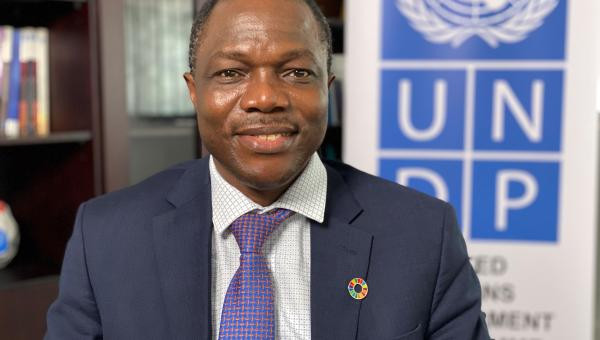
Speaking on the organisation’s 2025 development results, UNDP resident representative Ayodele Odusola said the programme has prioritised women’s economic empowerment through savings groups, enterprise development and mining-focused initiatives.
“Women’s economic empowerment was supported through savings groups, enterprise development, livelihoods and mining-related interventions,” he said.
“Nearly 600 savings groups supported women’s enterprise growth across the country.”
One of the standout interventions is in Mberengwa, where 440 women miners have been mobilised and supported to approach mining as a business rather than a survival activity.
“In Mberengwa, 440 women miners were mobilised for stronger livelihoods.
“These women were supported to approach mining as a business, with shared processing equipment expected to help increase value and incomes.”
Odusola added that a solar-powered processing facility being introduced in the area is projected to significantly reduce operational costs.
- NGO ‘builds bridges’ in Mberengwa
- Vote Zanu PF, chief tells villagers
- ZRBF rescues hunger-prone communities
- Mberengwa clinic gets tap water
Keep Reading
“A solar processing facility is also projected to save US$30 000 annually in energy costs,” he said.
Beyond mining, the UNDP highlighted gains in agriculture and small enterprise financing as part of broader efforts to strengthen rural livelihoods and economic resilience.
“In agriculture, 72 farming families generated more than US$64 000 through irrigated farming,” Odusola said.
“In enterprise finance, 59 enterprises were financed through the de-risking facility, with US$18 806 in loans disbursed.”
He said these interventions demonstrate practical, community-level economic gains.
“These are practical economic results that help households, small enterprises and communities build resilience.”
Zimbabwe’s rural economy has long been characterised by informal and subsistence activities, particularly among women who often face limited access to capital, markets and productive resources.
Development experts have increasingly emphasised the need to formalise and support women-led economic activities as a pathway to inclusive growth.