Gwanda Municipality is pinning its hopes on the introduction of prepaid water meters as it grapples with a ballooning debt that has surged to over ZWG200 million, in a move officials believe could restore financial stability and improve service delivery.
The local authority is under mounting pressure to compel ratepayers to settle outstanding bills, with current collection efforts proving ineffective.
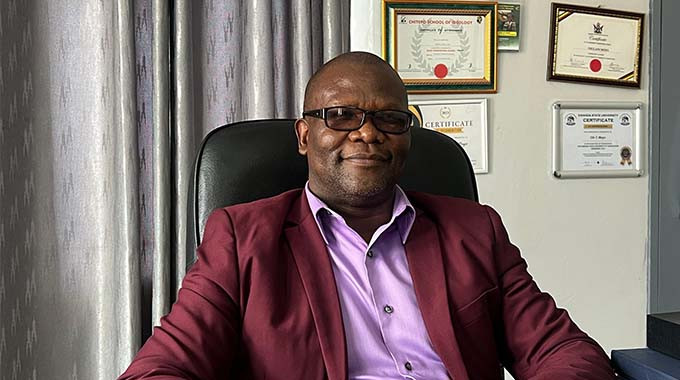
Gwanda mayor Thulani Moyo told Southern Eye that the municipality’s ability to deliver essential services is being crippled by the growing debt burden.
“We have initiated the process of recovering what we are owed through legal channels, but we do not believe this is a viable long-term solution, and it is not encouraged by central government,” said Moyo.
“We explored the alternative of installing prepaid water meters, and we are firmly in agreement with residents that this is the best route to take.”
Moyo said the municipality is now awaiting approval from the Ministry of Local Government to roll out the programme, following the awarding of a tender through the Procurement Regulatory Authority of Zimbabwe (PRAZ) to a local company, Bhungane Investments.
However, he expressed concern over delays despite all preparations being in place.
“The company has indicated it is ready for the rollout, and we had hoped the Ministry would have granted approval by now. We are eager to begin implementing this solution for the benefit of Gwanda residents,” he said.
- Combating corruption in public procurement
- Beitbridge border post ‘dumps’ Zimdollar
- ‘Shocking gaps riddle Zim procurement processes’
- Praz red flags procurement loopholes
Keep Reading
Ward 3 councillor Knowledge Ndlovu supported the move, saying the prepaid model used by Zesa had inspired the municipality.
He noted that prepaid electricity meters have improved revenue collection and encouraged more responsible usage among consumers.
“If you look at Zesa, the introduction of prepaid meters led to improved debt recovery. People are now more conscious of their electricity usage because they pay upfront,” said Ndlovu.
“We believe prepaid water meters will also promote responsible consumption and reduce wastage.”
He added that the municipality is engaging the Ministry to expedite the approval process, warning that continued delays are undermining efforts to address the debt crisis and improve service delivery.
“We are not certain why the programme has been put on hold, but the delay is affecting our ability to collect the mounting debt. We want this matter finalised urgently so that implementation can begin,” he said.
Gwanda Progressive Residents Association chairperson Methusi Moyo said most residents support the introduction of prepaid water meters, citing dissatisfaction with the current billing system.
“While I do not have exact figures, consultations with residents show that the majority are in favour of prepaid water meters,” he said.
“At present, we are being billed for water that we rarely receive, and the estimates used are often disputed.”
He added that this has contributed to widespread non-payment of bills, further straining the municipality’s finances.
“According to our estimates, only about an eighth of households are paying their bills. In some cases, landlords collect rent but fail to settle utility bills because they do not reside on the properties, which is unfair to other ratepayers,” he said.
The push by Gwanda mirrors a broader national policy shift, with government rolling out prepaid and smart water metering systems across major urban centres as part of efforts to improve revenue collection, curb water losses and promote efficient usage.
Authorities argue the system already being implemented in cities such as Harare allows residents to pay only for what they consume while enabling councils to collect revenue upfront and reduce billing disputes.