A Bulawayo-based community initiative is gaining momentum in the fight against drug and substance abuse, reaching more than 5 000 people through grassroots mobilisation and digital platforms.
The Bulawayo United Residents Association (Bura) rolled out its Substance Abuse Community Intervention Programme in 2025, targeting community leaders across the city with practical tools to detect, prevent and respond to drug abuse.
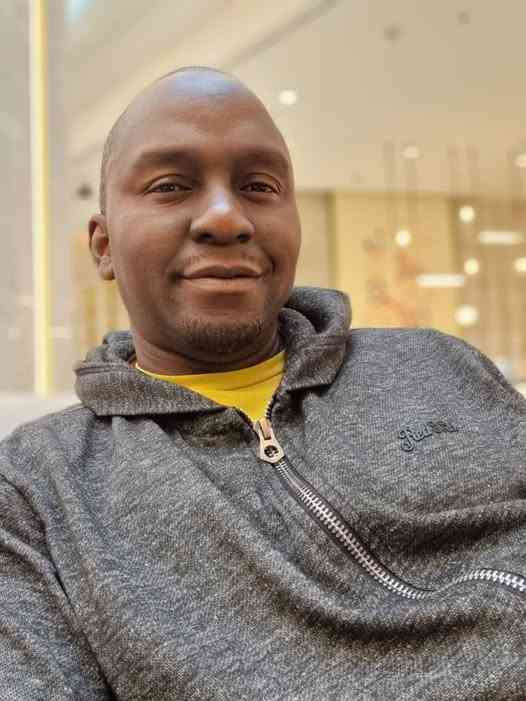
Bura chairperson, Winos Dube, said the programme was born out of growing concern over the impact of substance abuse on families and communities in Bulawayo.
“Substance abuse has become one of the most urgent challenges facing the City of Bulawayo where it is threatening the well-being of families, the safety of our communities, and the future of our youth,” Dube said.
Between March and April 2025, Bura conducted leadership orientation workshops across 12 venues in Bulawayo, reaching more than 600 participants drawn from residents’ associations, churches and community groups.
The workshops equipped participants with practical knowledge on identifying signs of substance abuse, community intervention strategies, and pathways for treatment and rehabilitation.
Mthulisi Mukwa Moyo, the programme lead, said the initiative focuses on empowering communities to act from within.
“We focused on community education and awareness initiatives, empowering residents to reduce demand for harmful substances at the local level,” Moyo said.
- Drug, alcohol abuse impacting on children
- Midlands registers spike in drug abuse
- Chanter Dhadza D in drug abuse drive
- COVID-19 lockdowns fuelled drug abuse among learners
Keep Reading
“Participants were equipped to leave as ambassadors who could carry the message into churches, funerals and everyday social spaces across Bulawayo.”
To extend its impact, Bura introduced a digital component using WhatsApp groups, allowing the programme to reach thousands more participants.
“Through our WhatsApp platforms, we engaged more than 5 000 individuals, delivering lessons weekly and creating space for interaction and dialogue,” Moyo said.
While the digital platform attracted participants from outside the city, the core focus remained on strengthening awareness and response within Bulawayo communities.
The programme brought together key stakeholders in Bulawayo, including the Zimbabwe Republic Police, churches, the City of Bulawayo and local businesses.
Police officers contributed to workshops, reinforcing the importance of community–law enforcement collaboration.
According to the report, this cooperation has already translated into action on the ground.
“Police–community collaboration intensified, leading to disruption of drug supply chains in areas such as Nketa, Cowdray Park and the city centre,” the report noted.
Workshop data shows women made up the majority of participants, reflecting their central role in community leadership and advocacy.
Despite its success, youth participation remained relatively low, highlighting the need for targeted strategies to engage young people more effectively in future programmes.
The pogramme was carried out without formal funding, relying on contributions from Bura members and support from local businesses.
“Every workshop and outreach effort was made possible through the sacrifices of our members,” Dube said.
Some suburbs, particularly in eastern parts of Bulawayo, were not reached due to resource constraints.
Bura is now calling for support to expand the programme to all suburbs in the city.
“With structured support, our programme can expand coverage to all suburbs in Bulawayo and strengthen community-based interventions,” Moyo said.
The association believes its model demonstrates the power of grassroots action in addressing one of the city’s most pressing social challenges.
“With collective effort, we can build a healthier, safer and drug-free Bulawayo,” Dube said. Zimbabwe currently has an immense drug and substance abuse problem, posing a huge threat to the country’s development agenda.
Local researchers have attributed the increasing drug and substance abuse among young people, who make up about 61% of the country’s population of over 15 million, to waning parenting practices, poverty and idleness, broken homes, social influence and stress among other issues.
According to a World Health Organisation (WHO) report released in 2019, Zimbabwe has the highest rate of 15 to 19-year-olds engaging in heavy “episodic drinking” in Africa, with 70.7% of males and 55.5% of females participating.
The same age group is also at the fore of drug and narcotics abuse.