Bulawayo City Council has effectively lost control of parts of the city’s public transport system, with illegal operators openly flouting regulations and establishing unauthorised pick-up points despite a transport policy that has been in place for more than a decade.
A council report on the implementation of the City of Bulawayo Public Transport Policy for April 2026 paints a picture of a transport sector increasingly slipping beyond the reach of authorities, prompting councillors to admit that the situation is becoming unmanageable.
The city adopted its Public Transport Policy in October 2012 to create “a well-controlled, efficient and coordinated public transport system” serviced by operators appointed by council and registered with the Ministry of Transport and Infrastructural Development.
However, 14 years later, council is battling rampant illegal transport operations across the city.
“The major challenges in the month under review revealed that the proliferation of unregistered operators undermining regulated service providers and illegal pick points affecting smooth flow of traffic,” the report said.
The policy’s implementation was interrupted in 2020 when government designated Zupco as the sole provider of public transport during the Covid-19 pandemic.
The sector was later reopened to other operators in 2022 following widespread complaints over transport shortages.
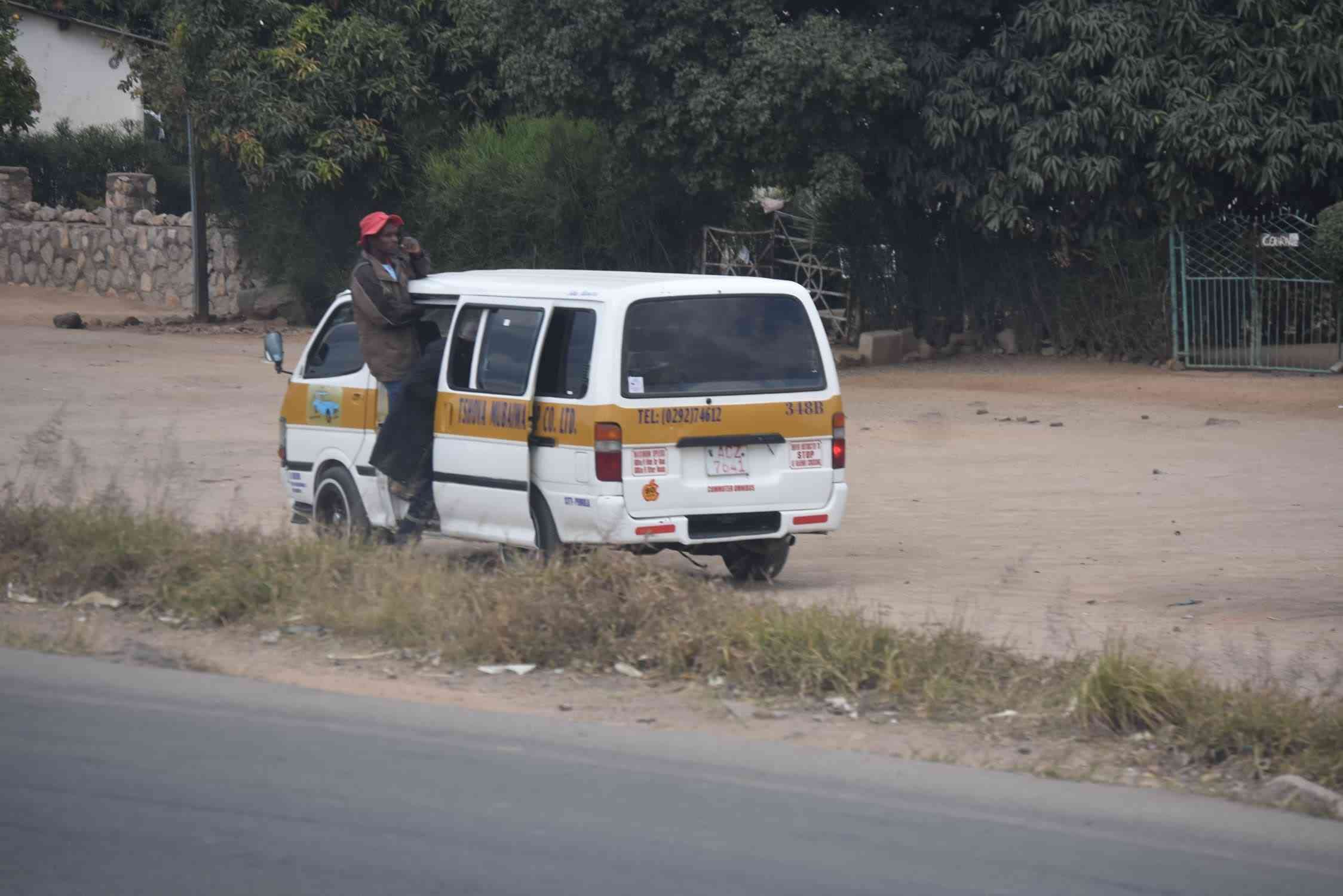
Today, five transport companies Tshova Mubaiwa Transport Co-operative Company (TMC), Bulawayo City Transit Trust (BCTT), Bupta Limited, Vuta Taxis and BUWTRA operate under service level agreements with council, while Zupco is no longer servicing intra-city routes.
- Revisiting Majaivana’s last show… ‘We made huge losses’
- Edutainment mix: The nexus of music and cultural identity
- Young entrepreneur dreams big
- Chibuku NeShamwari holds onto ethos of culture
Keep Reading
Illegal operators continue to dominate major transport corridors.
During meetings with transport operators in April, concerns were raised over illegal pick-up points around TM Hyper, Tredgold Sales House, Colbro and along Sixth Avenue.
Operators questioned why transporters operating outside designated ranks continued to do so with little interference.
According to the report, council’s own investigations found that many commuters were being exploited by unregistered transporters.
“Exorbitant fares were being charged by unbranded/unregistered operators,” the report noted.
Physical inspections and drone surveillance conducted by council identified illegal transport activity at several key locations, including the corner of Fort Street and 10th Avenue, Herbert Chitepo Street near TM Hyper, Sixth Avenue and Herbert Chitepo Street, and Leopold Takawira Street and Herbert Chitepo Street.
The report found that both branded and unbranded vehicles were operating from these illegal loading points. Council also observed that Sixth Avenue had effectively become an informal transport rank, with vehicles parking there throughout the day in a disorderly manner.
The growing lawlessness has fuelled traffic congestion and public frustration, with residents increasingly turning to council for intervention.
Among the complaints received during April were concerns from St Peters residents over transport fares and the lack of reliable public transport services.
Further investigations by council revealed that many vehicles servicing the route were operating outside the city’s regulatory framework.
“Research on St Peters application was made and it revealed that most operators currently servicing the route were unbranded vehicles not registered with any of the public transport companies in the city,” the report stated.
Council’s ability to act has also been hampered by gaps in national legislation.
After receiving numerous complaints over excessive fares, the local authority approached the Ministry of Transport for guidance.
The ministry reportedly advised that there are currently no gazetted fares governing intra-city public transport operators.
“It should be noted that council does not have statutory powers to regulate and enforce public transport fares,” the report said.
The ministry acknowledged that the situation had exposed an enforcement gap requiring attention at national level.
Council’s concerns were compounded by evidence showing that compliance among registered operators declined slightly in April after improving during the first quarter of the year.
The report described the trend as worrying given the large membership numbers within transport associations.
Data submitted to council shows Tshova Mubaiwa has 361 registered vehicles operating on routes that include Pumula Old, Nkulumane 5, Nkulumane 12, Emganwini, Luveve, Rangemore and Mbundane.
Bulawayo City Transit Trust has 351 registered vehicles operating on routes that include Nkulumane 12, Nkulumane 5, Munyoro/MC Inn, Pumula South and Mthunzini.
Three other operators are yet to submit route-specific operational data requested by council.
The report triggered concern among councillors, who questioned why illegal activities were continuing unchecked.
Councillor Lazarus Mphadwe said illegal pick-up and drop-off points were operating in full view of authorities.
“There were a lot of illegal pick-up and drop-off points for passengers. Most of these illegal activities happened in front of enforcement officers,” he said.
Councillor Susan Sithole warned that the conduct of some transport crews during enforcement operations posed a serious danger.
“Such kind of behaviour could lead to injuries or loss of lives,” she said.
Councillor Lovewell Mwinde painted an even grimmer picture, suggesting the involvement of the Zimbabwe Republic Police Support Unit or the Zimbabwe National Army.
“The situation was now out of hand. Previous enforcement operations had yielded no results.”
Councillor Sikhululekile Moyo also criticised the transport policy itself, arguing that some communities, including Hyde Park, Maziwi/St Peters Village and parts of Pumula South, remained poorly serviced despite being allocated operators.
In response, the assistant town.planning director said operators were monitored through service level agreements and pledged to investigate transport challenges affecting Ward 17’s peri-urban settlements.
To restore order, council plans to install barricades along Herbert Chitepo Street to eliminate illegal loading points around Sixth Avenue and force operators to use designated facilities.
Authorities are also pinning their hopes on the completion of the Egodini Terminus, which the report describes as a holistic solution to the city’s transport challenges.