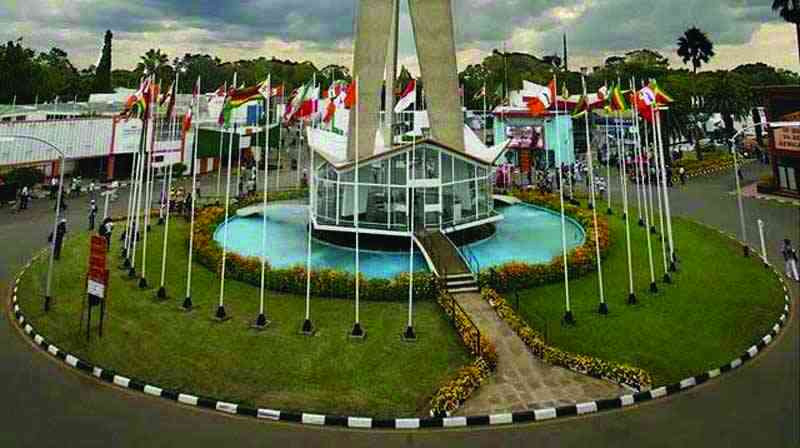
Bulawayo City Council has admitted that financial constraints, poor coordination and skills shortages cost it potential investment opportunities at this year’s Zimbabwe International Trade Fair (ZITF), despite scooping the Best Local Authority Exhibit award.
This year’s fair took place from April 20 to 25 under the theme “Connected Economies, Competitive Industries.”
A post-event review report presented to council shows that while Bulawayo’s participation at the 66th ZITF was hailed as a major success, several operational weaknesses prevented the local authority from fully capitalising on investor interest generated during the exhibition.
The report said budgetary limitations hampered the city’s ability to market itself effectively and showcase investment opportunities to prospective investors.
“Financial limitations significantly affected the city’s capacity to procure adequate and high-quality promotional materials for the exhibition.
“This constrained the ability to fully showcase investment opportunities, distribute branded marketing collateral, and effectively engage diverse stakeholders,” reads the report
The city acknowledged that the shortcomings may have resulted in missed opportunities to attract investors and strengthen Bulawayo’s brand as an investment destination.
The report also highlighted deficiencies in investor engagement, revealing that some municipal officials lacked skills required to compete in a modern exhibition environment.
- Uproar over census figures
- Byo Arts Festival in turmoil…One year later, festival has yet to pay artists…Organisers play cat and mouse with artists
- Bulawayo struggles to clear housing backlog
- Council acts tough on debts
Keep Reading
“It was observed that some municipal staff lacked advanced exhibition and investor engagement skills aligned with global best practices,” the report noted.
The shortcomings included weaknesses in pitching investment opportunities, using digital engagement tools and delivering market-oriented presentations to potential investors.
Further challenges emerged from the organisation of meetings during the trade fair, with engagements split between the ZITF grounds and Council Chambers.
According to the report, the arrangement caused scheduling conflicts, communication challenges and logistical difficulties for both officials and stakeholders.
The city also faced a last-minute scare after delays by the appointed stand designer threatened to affect the quality of its exhibition stand.
Council’s works department had to intervene and complete the stand after the contractor failed to deliver on time.
Meanwhile, Aisleby Farms, owned by the local authority, failed to participate in the agricultural exhibition section for the second successive year due to financial constraints.
The report said the absence deprived the city of an opportunity to showcase its agricultural potential and engage stakeholders in the agribusiness sector.
Despite the challenges, Bulawayo’s innovative split-site exhibition model, which moved its main showcase to Hall 3 while turning the Municipal Pavilion into a support and service hub, was credited with improving visibility and stakeholder engagement.
The strategy helped the city win first place in the local authorities category and strengthened its image as an investment-ready city.
However, council acknowledged that institutional weaknesses exposed during the exhibition needed urgent attention.
To address the shortcomings, the city has developed a ZITF procedure manual designed to improve planning, coordination and accountability while ensuring future exhibitions are better organised and more effective in attracting investors.
The local authority is also considering sending selected officials for a specialised ZITF master class training to strengthen investor engagement and digital marketing skills ahead of next year’s fair.