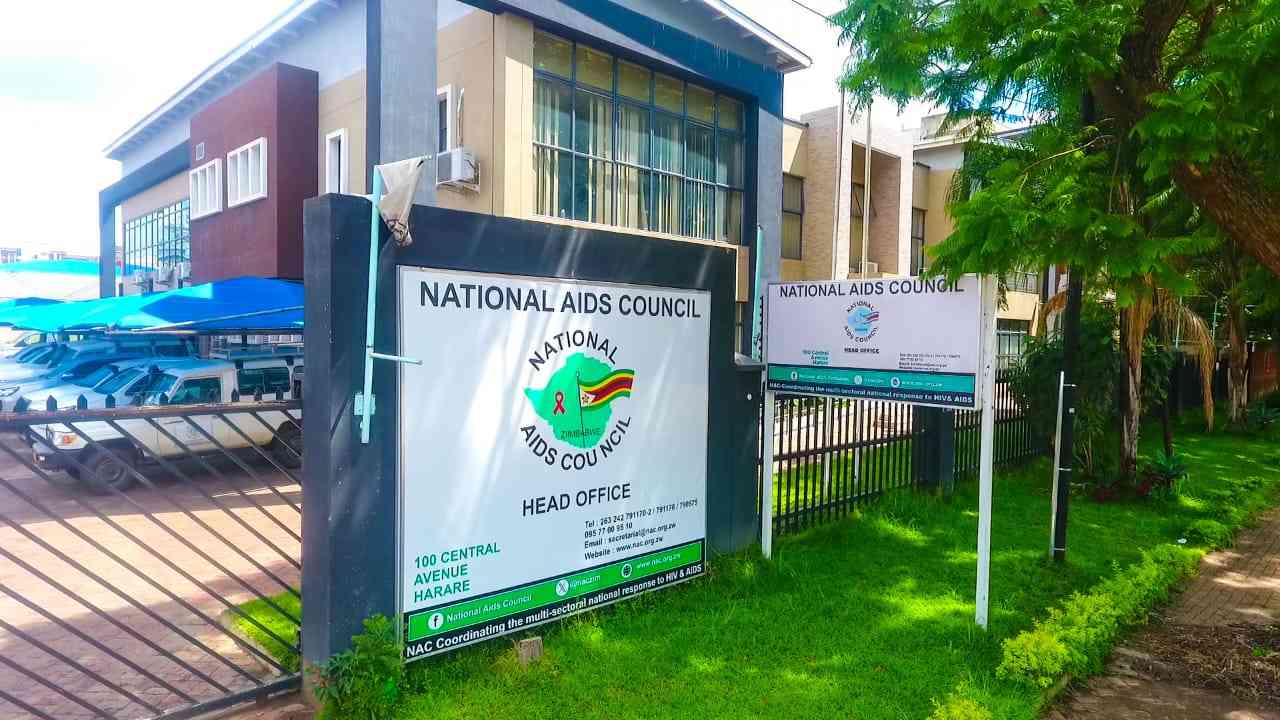
AGGRESSIVE HIV prevention and treatment interventions spearheaded by the National Aids Council (NAC) and its partners are helping to curb the spread of HIV/Aids in Matabeleland North, according to latest provincial data.
The 2026 Matabeleland North Provincial Profile released by NAC shows significant progress in reducing HIV prevalence and new infections, underscoring the impact of sustained investment in prevention, testing, treatment and community outreach programmes across the province.
According to the report, the strategic deployment of resources from the National Aids Trust Fund==, complemented by global financing, helped to alter the trajectory of the epidemic in the province's seven districts.
Matabeleland North, which has a population of 827 629 according to the 2022 Population and Housing Census, has recorded an HIV prevalence rate of 11,4% among adults aged 15 to 49 years. At the same time, the HIV incidence rate for the same age group has fallen to 0,13 per 100 uninfected people.
The decline in new infections has largely been attributed to a robust decentralised healthcare system comprising 171 health facilities across the province.
NAC said all health facilities in the province provided comprehensive HIV testing services, prevention of mother-to-child transmission services and anti-retroviral therapy (ART) initiation.
The council has intensified HIV prevention and community health programmes using domestic funding, particularly the Aids Levy, following a reduction in support from some international partners.
Speaking during a media tour organised by NAC last week, Bulawayo provincial manager Sinatra Nyathi said local funding mechanisms helped to sustain critical programmes despite the withdrawal of some donor support.
- Another ETF lists on ZSE
- Econet to use Buddie Beatz app to grow local music
- LSU students win innovation prize
- Edutainment mix: The artist in the child policy formulation context
Keep Reading
“When we heard the news that the donors had withdrawn funding for some health programmes, we panicked but I am happy that important programmes are still rolling with local funding and no need to worry much,” Nyathi said.
“A lot of positive developments are being seen across the province. The fact that about 9 000 condoms were distributed to artisanal miners and villagers in Umguza ward 6 during a health expo aimed at curbing sexually transmitted infections and HIV/Aids demonstrates growing community responsibility in preventing new infections.”
Provincial data shows that the ART programme continues to improve the quality of life for thousands of people living with HIV.
Of the estimated 97 203 people requiring treatment in the province, about 90 348 are receiving ART. These include 84 842 adults and 5 506 children.
The report highlights notable geographical differences in the burden of HIV, with Binga recording one of the lowest prevalence rates in the province at 5,1% and the lowest incidence rate of 0,06.
Beyond health institutions, NAC has expanded community-based interventions to improve access to healthcare services.
One such initiative is Zimbos Abantu Healthcare on Wheels, a mobile healthcare programme supported through the Aids Levy and designed to provide healthcare services to underserved communities.
Zimbos Abantu Healthcare on Wheels chief executive officer Tawanda Mushawedu said the programme operated 12 mobile clinics serving vulnerable populations, particularly women and children.
“We started in 2021 and now we have 12 mobile clinics through which people can access healthcare services. We provide primary healthcare through mobile units,” Mushawedu said.
“The issue of accessibility informed our intervention. Many people are underserved and live far from the nearest health facilities. We are also concerned about affordability. We work with professional doctors and nurses, and the programme is supported by NAC through the Aids Levy.”
NAC has coordinated the work of 80 implementing partners across Matabeleland North to help to bridge service delivery gaps and strengthen HIV prevention efforts.
While districts such as Tsholotsho, Lupane and Umguza continue to record relatively higher transmission rates due to factors including labour migration, spousal separation and mining-related activities, NAC said the overall provincial trend remained positive.
“Matabeleland North province has generally witnessed a reduction in HIV incidence and prevalence across all districts as evidence of the high-impact interventions implemented,” NAC noted in its profile report.
The council said efforts were being intensified to scale up prevention programmes in higher-burden areas while consolidating gains achieved in districts with low prevalence rates.