Bulawayo councillors have been warned that a massive annual financing gap of up to US$848 billion is threatening Africa’s development ambitions and slowing efforts to improve essential services such as water, sanitation, energy and infrastructure.
The warning is contained in a report presented to council following the city’s participation in the 12th Africa Regional Forum on Sustainable Development (ARFSD-12) held in Addis Ababa, Ethiopia.
Delegates assessed the continent’s progress towards achieving the United Nations Sustainable Development Goals (SDGs).
According to the report, Africa continues to face significant structural and financial challenges despite recording economic resilience and growth prospects that outperform several regions of the world.
“The continent continued to address infrastructure gaps, as approximately 600 million Africans (43%) lacked electricity access and 650 million lack basic sanitation,” the report noted.
It added that “structural vulnerabilities, alongside an annual financing gap estimated between US$670 billion and US$848 billion, had impacted the pace of progress.”
The forum heard that while Africa was making progress in 12 of the 17 SDGs, setbacks had been recorded in areas including clean energy, sustainable cities, climate action and environmental protection.
The report also noted that Official Development Assistance (ODA) to Africa declined by 8,8% in real terms to US$35,9 billion in 2023, further tightening funding available for development programmes across the continent.
- COP26 a washout? Don’t lose hope – here’s why
- Under fire Mnangagwa resorts to Mugabe tactics
- How will energy crunch transition impact transition to renewables?
- COP26 a washout? Don’t lose hope – here’s why
Keep Reading
Despite the financial constraints, Africa’s economy is projected to grow by 4% in both 2025 and 2026.
However, delegates heard that growth alone was not enough to significantly reduce poverty because of persistent structural constraints, including infrastructure deficits, high levels of informality and limited fiscal space.
The city of Bulawayo was represented at the forum by economic development officer Kholisani Moyo.
The report said the discussions highlighted the need for African countries and local authorities to strengthen domestic resource mobilisation, attract private sector investment and accelerate digitisation to improve revenue collection and service delivery.
Among the recommendations emerging from the forum was the need to leverage diaspora remittances, which reached US$104 .5 billion across Africa in 2024, to help finance long-term infrastructure development.
The report also encouraged governments to pursue reforms of the international financial system to unlock concessional climate and development financing.
For Bulawayo, the forum’s outcomes have informed a number of proposed policy interventions, including the development of an Urban Greening Policy, a Clean Energy Policy and a Municipal Waste Recycling and Circular Economy Policy.
The report said the recommendations were intended to help position Bulawayo to benefit from emerging continental development frameworks while strengthening the city’s long-term sustainability agenda.
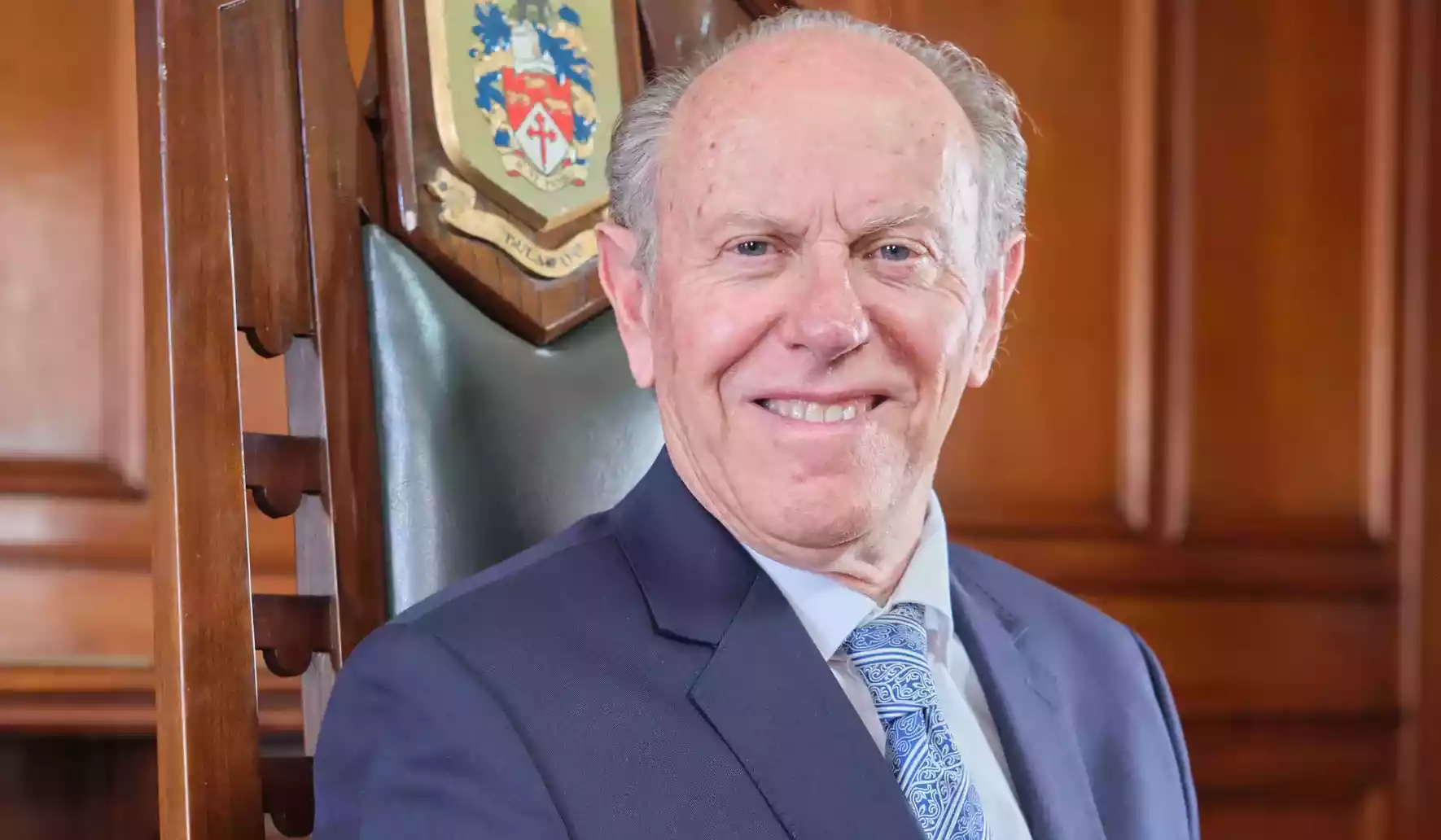
During deliberations, mayor David Coltart raised concerns over the absence of implementation timelines for some of the proposed policies, prompting council to set a deadline of the first quarter of 2027 for the formulation of the key environmental frameworks.
The Addis Ababa forum was held under the theme, “Turning the tide: transformative and coordinated actions for the 2030 Agenda and Agenda 2063.”
It reviewed progress on goals relating to water and sanitation, energy, infrastructure, sustainable cities and development partnerships.