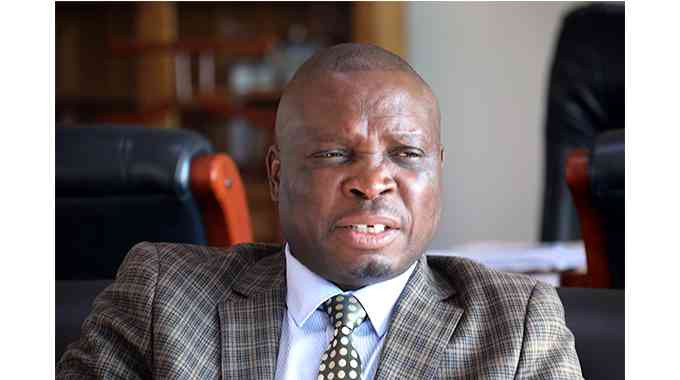
MATABELELAND North Provincial Affairs and Devolution minister Richard Moyo has described the electrification of Majindani Primary School and the surrounding community as a practical demonstration of the developmental gains being achieved by the government, saying such projects validate the rationale behind constitutional amendments.
Speaking during the commissioning of an 8km Rural Electrification Agency (REA) power line in Majindani, Nyamandlovu, recently, Moyo said the project reflected government’s ongoing infrastructure drive under President Emmerson Mnangagwa’s “leaving no one and no place behind” policy.
The electrification project has brought power to Majindani Primary School, the local business centre and a community borehole, significantly improving access to essential services while creating opportunities for economic growth.
Moyo said the development was evidence that government programmes were producing tangible benefits in rural communities and advancing the country’s Vision 2030 agenda.
“The development is in line with CAB 3 [Constitution Amendment No 3 Bill] we passed in the National Assembly. So, we say let the President continue leading us,” he said.
“For us in Majindani, we are already in 2030 because we now have electricity.”
His remarks come as government accelerates infrastructure development in rural areas through investments in energy, roads, water and information and communication technologies, as part of efforts to attain upper-middle-income status by 2030.
Moyo said access to electricity marked a new chapter for the community, particularly for learners who can now benefit from modern teaching and learning technologies.
- Zim stares down constitutional crisis
- UN raps Zim over CAB 3 gender plan
- Protesters torch CAB 3 billboard as tensions soar
- Ex-Nkayi MP attacks CAB 3, says Vision 2030 being politicised
Keep Reading
“We now have power and have seen electricity in the classrooms. I now have to approach the Minister of ICT so that the school can also receive computers,” he said.
The minister said electrification was a critical enabler of development as it improved educational outcomes, enhanced access to clean water and created an environment conducive to business growth and investment.
He added that communities connected to the national grid were better positioned to participate in the mainstream economy through value addition, small-scale manufacturing and other productive activities.
Moyo commended REA for extending power infrastructure to the area, saying the intervention is transforming lives and opening new economic opportunities.
He, however, urged the agency to spread its rollout programme to ensure more remote communities across the province are connected to electricity.
“Matabeleland North is a vast province. We urge REA to spread its wings to all corners of the province so that more communities, farmers and tourism operators can benefit from electricity,” he said.
Moyo said expanding access to electricity was particularly important in a province with significant agricultural and tourism potential, where reliable power supplies are essential for increasing productivity and attracting investment.
The Majindani project forms part of the government’s nationwide rural electrification programme, which seeks to expand access to modern energy services and bridge the development gap between urban and rural communities.