Stakeholders involved in the protection of children's rights are meeting in the city to map out strategies to enhance investment towards children's protection systems.
The high-level conference was organised by the Ministry of Public Service, Labour and Social Welfare, with support from Unicef and the Swedish government.
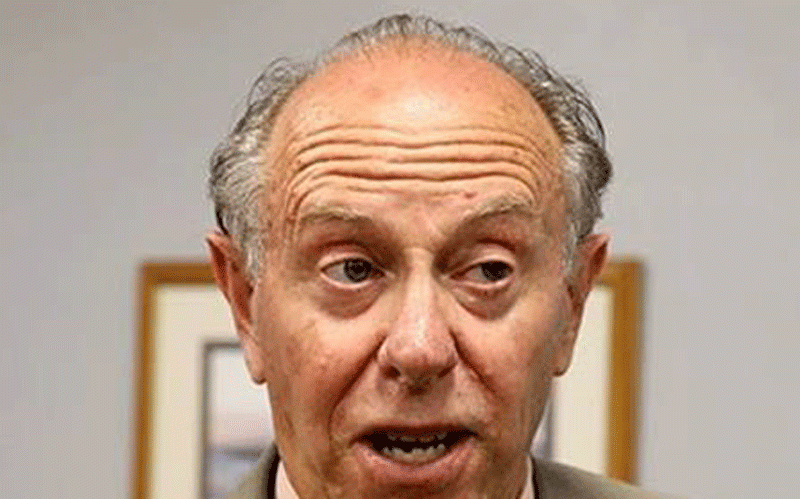
Public Service, Labour and Social Welfare minister Edgar Moyo described the gathering as a critical platform to strengthen national commitment to children’s welfare.
“The National Child Protection Conference is more than a gathering; it is a solemn call to action. Guided by the five pillars of the National Action Plan for Children IV, improving access to inclusive basic social services, ending violence against children, strengthening families and communities, eliminating child labour, and building resilient institutions,” said Moyo.
“We stand united in our resolve. We will mobilise resources, knowledge and partnerships so that no child in Zimbabwe is left unprotected, unsupported or unheard. Every child deserves to grow up safe, nurtured and empowered to reach their full potential and together we will make this promise a reality.”
The conference comes a decade after the inaugural National Child Protection Conference held in 2016, which launched Zimbabwe’s National Case Management System for the Protection and Welfare of Children.
Since then, Zimbabwe has implemented several reforms aimed at improving child protection, including strengthening the victim friendly system, expanding case management services and increasing investment in prevention and response mechanisms.
Despite the progress, authorities say children continue to face growing protection risks both online and offline.
- $10m allocated for hospital rehabilitation
- $10m allocated for hospital rehabilitation
- More action needed to stem child marriages
- Child marriage: A heavy cost for young girls in Africa
Keep Reading
Statistics presented ahead of the conference indicate that 64% of children experience violent discipline, 43% of children under the age of five are not registered, while 21.2% of adolescent girls aged between 15 and 18 are married off early.
Stakeholders also noted that technology-facilitated abuse, migration-related vulnerabilities, climate change and socio-economic shocks continue to intensify risks facing children.
Sweden’s ambassador to Zimbabwe, Per Lindgärde, said stronger collaboration was needed to ensure every child is protected.
“Every child has the right to grow up safe, protected and free from violence, exploitation and neglect. Sweden is encouraged by the progress Zimbabwe has made in strengthening child protection systems over the past decade, but the challenges facing children today remind us that more must be done,” he said.
“By working together to uphold the rights of every child, we can build a future where all children are safe, included and able to thrive.”
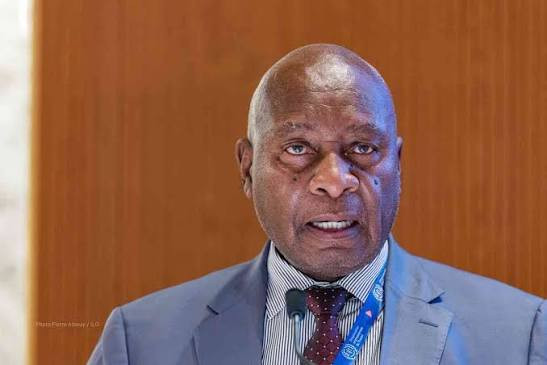
Etona Ekole, the UNICEF representative in Zimbabwe, said sustainable investment and coordinated action remained key to protecting children.
“Protecting children requires strong systems, sustained investment and coordinated action across sectors,” said Ekole.
“This conference provides an important national platform to consolidate progress, confront emerging risks, and mobilise commitments that will help ensure every child in Zimbabwe is protected from violence, abuse, exploitation and neglect.”
Delegates from Namibia, Rwanda, Zambia and South Africa are also expected to share experiences on child protection financing, digital civil registration systems, alternative care reforms, online safety and support for children on the move.
The conference is expected to conclude with a national child protection outcome statement, financing pledges, strengthened partnerships and a roadmap for monitoring implementation of agreed commitments.
The gathering also follows the finalisation of the National Action Plan for Children 2026–2030 and Cabinet approval of the Zimbabwe National Child Online Protection Policy 2026–2030.