Decades after Zimbabwe’s independence, the wounds of state-sponsored violence remain unhealed for hundreds of families eking out a desperate existence in illegal settlements on the outskirts of Bulawayo.
The squatters have narrated tormenting sufferings, forced to live in makeshift shacks without water, sanitation, or security, a direct consequence of the brutal massacres carried out by the Fifth Brigade in Matabeleland and the Midlands during the 1980s, and later compounded by the forced evictions of Operation Murambatsvina in 2005.
Their testimonies revealed a legacy of unhealed trauma, statelessness, and profound neglect by successive governments.
Many have lost all hope of ever owning a home in the country they helped liberate, as they are shuffled between offices with empty promises while age and poverty close in.
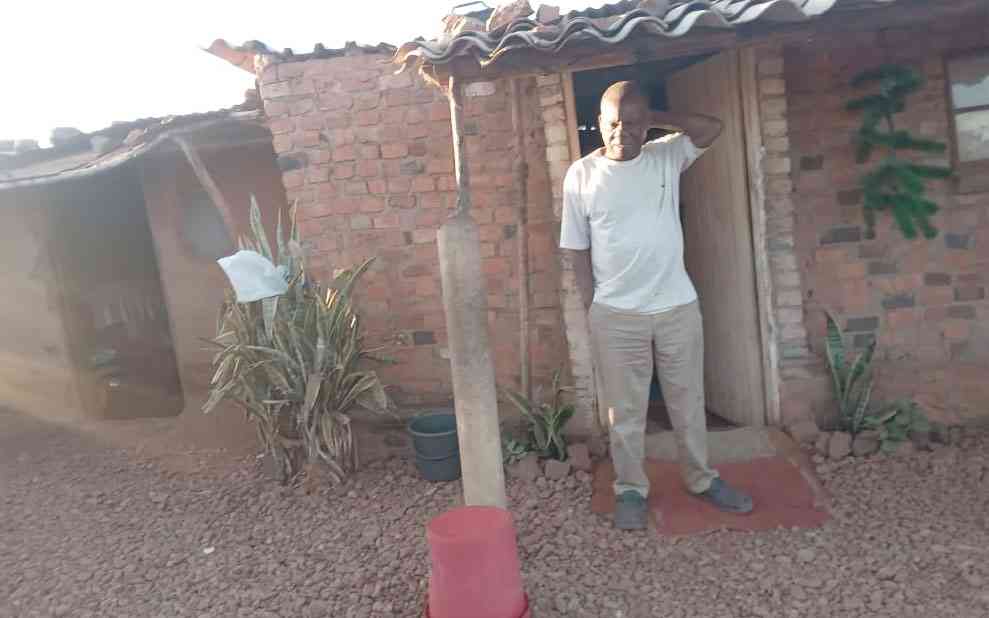
One of the squatters, Geoffrey Beans Mathe (75), who stays in Trenance on the outskirts of Bulawayo, told Southern Eye on Sunday that his home was destroyed in Lupane during the 1980’s mass killings in Matabeleland and the Midlands.
The North Korean-trained Fifth Brigade of the Zimbabwe National Army deployed by then-prime minister Robert Mugabe, brutally suppressed suspected dissidents in Matabeleland, killing an estimated 20 000 civilians and displacing countless others.
Mathe has never set foot back in that area.
He highlighted that he has been moving from one place to another looking for a permanent shelter for his family.
- Revisiting Majaivana’s last show… ‘We made huge losses’
- Edutainment mix: The nexus of music and cultural identity
- ChiTown acting mayor blocks election
- Promoter Mdu 3D defends foreigners 30 minute set
Keep Reading
"My home was burnt down together with my cattle. I was on the wanted list, wanted dead or alive, simply because I was a Zipra force cadre," Mathe said.
He said that he spent the better part of his life in the education sector as a civil servant.
"I retired in 2008 after spending 27 years teaching,” Mathe said.
“Since then I have been waiting for my pension, including the ex-combatants pension.”
He said the war veterans’ pension allowances he was getting were not enough for his family.
"I have been moved from one office to another being promised lands by the war veterans department but to no avail.
“It is so painful that I sacrificed to liberate this country and during the process lost my father, who was killed by the Rhodesian soldiers because of my involvement in the liberation struggle," Mathe said.
He added: “After the war I was hunted like a snake. I survived and went on to develop this country through my contribution in the education sector, but I have turned into a squatter.
“Our blood and sweat that we lost during the war were in vain."
Mathe lamented that age was catching up with him such that he did not dream of ever owning a permanent home in a country that he defended so dearly during his youth.
“A friend of mine who has been in the same predicament died after spending most of his life as a destitute at Castle Arms," he said.
Another squatter, Pilate Manxeba (70), said he was a victim of Gukurahundi and mentioned that his home was destroyed in Nkayi during the same era and that he ran away to seek refuge in town.
"We have been occupying an illegal settlement for years now," Manxeba said.
“We are living in fear of being chased away any time; that trauma is haunting us. I need financial assistance to go and reconstruct my home in Nkayi.”
"I have children, they are now grown up, but some of them I stay with them here. They now have their own children that have never experienced a proper home set-up.”
He revealed that he has heard about the Gukurahundi hearings being spearheaded by chiefs, but said that was a waste of time, arguing that embarking on a programme that would take a long time to finish was unwise when time is running out for them.
"We need compensation, we need financial assistance to reconstruct our homes and start a new life. It is not wise to start digging old graves now," Manxeba said.
He disclosed that there were 14 families in their line, adding that they were left out during the International Organization for Migration (IOM) programme that relocated some of them to a new Mazwi area in Bulawayo.
That programme, implemented between 2012 and 2015, resettled approximately 197 to 200 squatter households, but many vulnerable families were excluded.
Manxeba said he has been surviving on menial jobs.
Gukurahundi community hearings are an initiative led by traditional chiefs in Matabeleland to try to address the massacres of the 1980s.
However, critics argue that the hearings lack a clear mandate for compensation or prosecution, and many victims' families feel they are a cosmetic exercise that fails to deliver justice.
Another squatter, Susan Tshuma (56), who settled in Trenance following the brutal campaign of forced mass evictions and demolition of houses popularly known as Operation Murambatsvina in 2005, said she was struggling to make ends meet.
The operation, carried out under the Zanu PF government, involved police and military destroying thousands of informal homes and businesses across urban centres, displacing an estimated 700,000 people and affecting over two million indirectly.
"For more than 20 years, our lives are in danger, subjected to a potential time bomb, a health hazard. We are exposed to human waste together with the unforgiving weather conditions," Tshuma said.
She indicated that their makeshift houses do not have toilets, adding that they cannot construct them since they are settled illegally.
She pointed out that she was forced to move to the squatter camp in 2005 after their house in one of the oldest suburbs, Makokoba, was demolished during Operation Murambatsvina.
"We do not have running water, no ablution facilities, placing us at a perennial risk of diseases such as cholera and dysentery," she said.
Tshuma said she was not employed, but survived on piece jobs and planting.
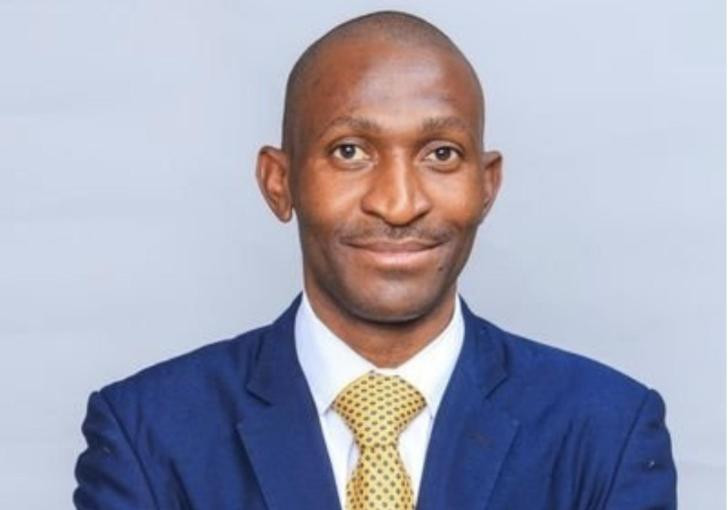
Ward 2 councillor Adrian Rendani Moyo said they are looking for a donor who can assist to relocate the squatters to a better place, adding that about one hundred of them are remaining.
"The conditions that these people are living in are inhumane,” Moyo said.
“We are looking for a donor to relocate them to a safe place. The council is assisting them with clean water provided by a bowser.”
However, the IOM partnered with the Bulawayo City Council and World Vision to resettle squatters from Trenance and Killarney.
The programme relocated these homeless families to the New Mazwi area, constructing permanent two-room core houses and providing temporary shelter along with building materials.
Out of the total stands, around 18 were allocated to vulnerable households from nearby villages such as Robert Sinyoka and Methodist as a political inclusion measure.
Themba Lesizwe Trust senior pastor, who is also a member of the board of trustees, Taurai Sithole, said they run educational, health programs, and other developmental programs for the community.
Sithole said they enrol 40 children at their school, adding that after completing ECD, they take them to surrounding schools such as Trenance and Aisleby Primary School.
"After completing primary school, we also take them to secondary schools where we pay school fees for them,” he said.
“We have also managed to drill solar-powered boreholes for one of the secondary schools. We have contracted classroom blocks and donated computers.”
Sithole emphasised that they also cater for these children with skills training, enrolling them at Bulawayo Polytechnic College.
He highlighted that they have assisted about 200 students who have graduated at the Polytechnic since they started the program.
For the squatters of Trenance, however, each day is a struggle for survival in the shadows of a nation that has forgotten its heroes.