King Mzilikazi Day is evolving beyond an annual cultural commemoration into a platform for social cohesion, youth identity and potential business collaboration, organisers have said.
The commemorations, held annually in September, honour King Mzilikazi kaMatshobana, the 19th-century founder of the Ndebele nation.
A former Zulu commander, Mzilikazi broke away from Shaka’s rule and led his followers north across the Limpopo, eventually establishing a kingdom in Matabeleland that brought together diverse communities.
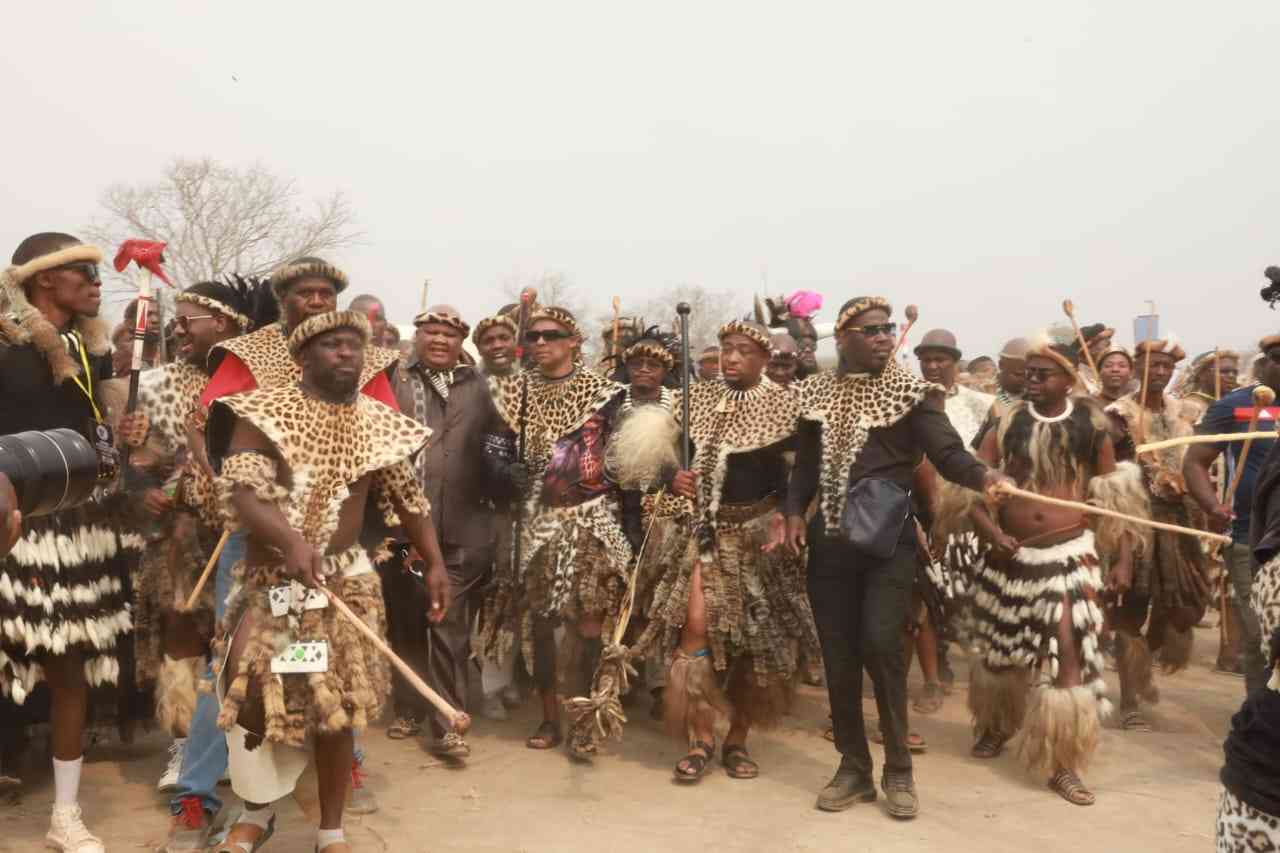
The recent edition brought together traditional leaders, regional royals, young people, traditional regiments, maidens, cultural groups, government representatives and entertainers, highlighting the event’s growing reach.
Ndebele King Bulelani’s spokesperson, Bornman Khumalo, said the gathering demonstrated how culture could become a starting point for broader collaboration that contributes to nation-building.
“Beyond the celebrations, we see collaborations in many things. It will start as culture but can reshape into business as well as social cohesion,” Khumalo said.
The comments come as the annual commemorations continue to attract people from different communities and parts of the region.
Organisers are seeking to use Mzilikazi’s legacy to promote unity while preserving history and cultural identity.
- Push for Mzilikazi Day national holiday
- King Mzilikazi Day faces funding gaps
- Calls grow for Mzilikazi public holiday
Keep Reading
Khumalo said the event was particularly important for young people growing up in urban areas, who could use traditional leadership and cultural gatherings to reconnect with their roots.
“When people hear us talk of culture, they think we want to go backwards, yet the presence of traditional leadership, which in most cases is rural-based, brings a sense of knowing oneself for the young ones that grow up in urban environments,” he said.
“You find town dwellers appreciating their roots.”
This year’s programme included a Youth Day before the main commemorations, with young people participating alongside traditional regiments and young maidens from across the region. Organisers had projected that more than 20 000 people could attend, compared with an estimated 12 000 at the previous edition.
However, Khumalo said official attendance figures were not yet available.
The event also attracted regional royals and celebrities, including South African performers Khuzani, Thandeka and Shandu, whose participation added to its appeal.
Khumalo described the involvement of regional royals as a major highlight.
“We had a wonderful King Mzilikazi Day. It was a resounding success beyond our expectations,” he said.
“The regional royals that graced it lifted it to a standard never seen in the country. The celebrities who came were the icing on the cake.”
The growing scale of the commemorations has previously prompted calls for King Mzilikazi Day to be granted national holiday status. Organisers argue the event has the potential to promote Zimbabwean heritage and attract international visitors.
Before this year’s event, Khumalo said organisers wanted the commemorations to grow beyond a regional gathering into an international heritage event capable of drawing visitors and promoting tourism.
The latest edition, they say, has strengthened the argument that cultural heritage can serve a wider national purpose, particularly by creating spaces where different generations and communities can interact.
The participation of traditional leaders from the region, alongside young people and urban residents, has also given the commemorations a role in reconnecting communities with history while encouraging appreciation of the country’s cultural diversity.
The call for national recognition has gained fresh relevance following the Government’s declaration of September 15 as Munhumutapa Day, now observed as a public holiday. Munhumutapa Day honours the pre-colonial Munhumutapa Empire, a major Shona state in the region’s history.
Khumalo said the development had given organisers hope that their long-standing request for King Mzilikazi Day could also receive consideration.
“As for the declaration of Munhumutapa Day as a holiday, we hope our request for King Mzilikazi Day will be considered,” he said.
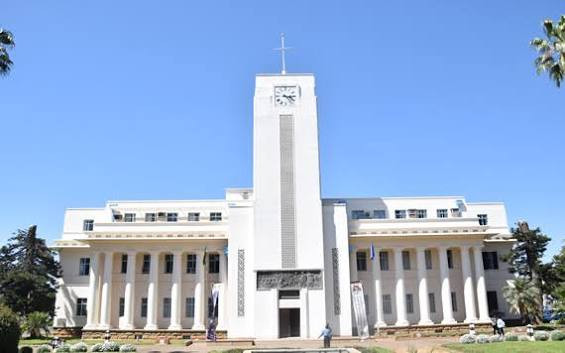
Meanwhile, organisers thanked the regional royals, cultural groups, facilitators, the City of Bulawayo, organisations and individuals who provided resources for the event.
Khumalo said the participation of traditional regiments and young maidens from across the region was particularly encouraging, describing their involvement as an important part of keeping cultural heritage alive for future generations