BULAWAYO, SEPT 17, (SOUTHERN EYE LIVE): The Zimbabwe Council for the Blind has expressed concern that most local websites remain inaccessible to persons with visual impairment, with images lacking descriptions being the major violation.
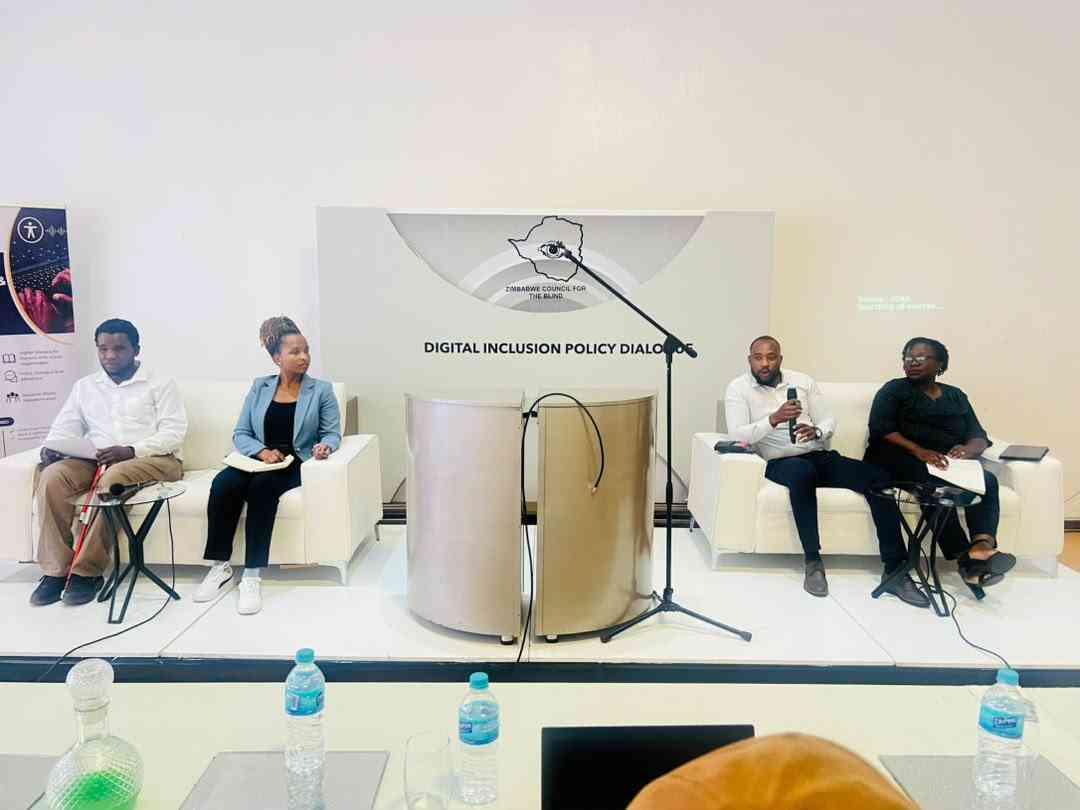
Speaking at the digital inclusion policy dialogue in Bulawayo, the council's monitoring and evaluation officer, Simba Kasanzu, said an assessment carried out by the organisation revealed low compliance levels on accessibility standards.
"The person with visual impairment and some interviews that we did. So basically what I'm talking is on our website because we published a blog which states everything that they mentioned in that focus group discussion," Kasanzu said.
He said the Council then selected platforms to analyse compliance.
"We then further checked according to standards. What accessibility standards do we check when using a website? We are asking: If someone is using a website, can a person with visual impairment access it? So we checked those compliances," he said.
"We found out that there are some images that do not have descriptions on some of the organisation websites. We found out even but the most that we found it's images without descriptions. So we found out that an image should have a description where a person with visual impairment can actually understand what is in that image."
Kasanzu said following the assessment, the council embarked on training programmes for institutions that manage key public platforms.
"After that assessment, we went to do some training with different organisations. We trained website designers. There were ICT trainers where we trained various organisations, police officers and ZIMRA (Zimbabwe Revenue Authority) and other institutions, universities," he said.
- War over super car stuck in river
- Zimra seizes CCC campaign vehicle
- Crime tech: Technology can eradicate corruption
- Firearms smuggling suspect weeps in court
Keep Reading
"We train them on what a standard website should be, according to the CIPESA framework, and what it is supposed to be in Zimbabwe for it to be considered an accessible website."
He said the council used its own website as a benchmark because it meets the accessibility standards.
"We used our website as the Zimbabwe Council for the Blind because our website met the standards," Kasanzu said.
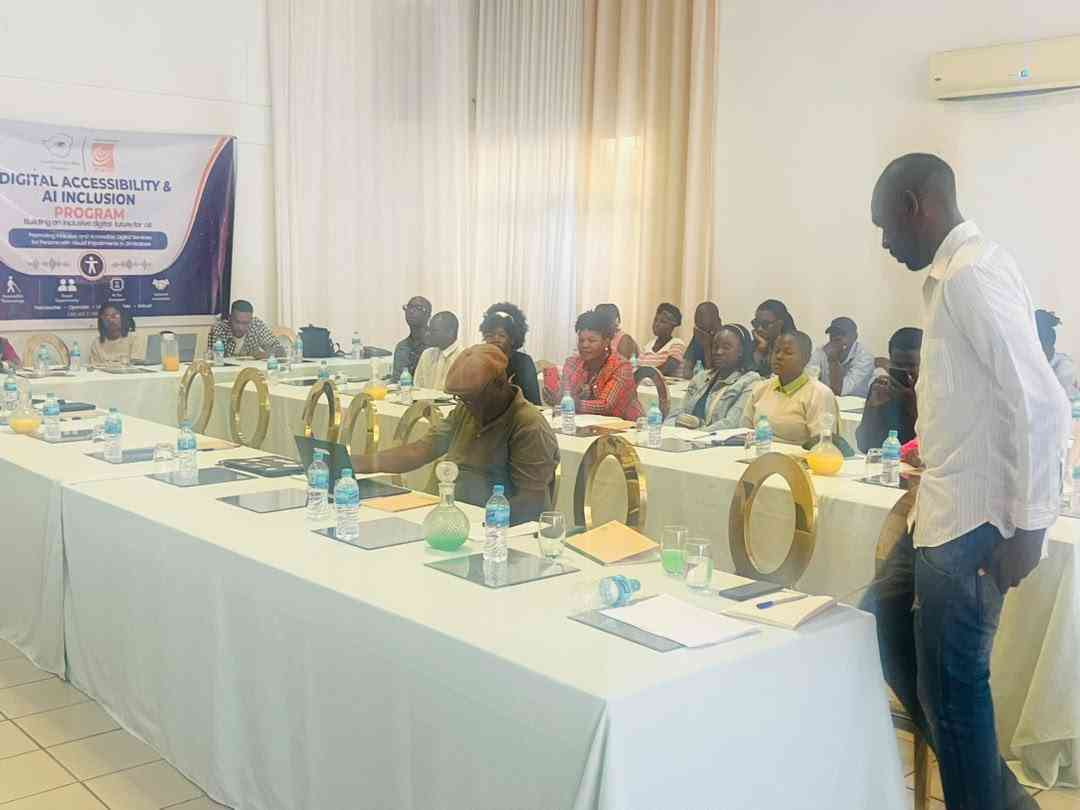
He said today's engagement is a policy brief where stakeholders are expected to raise points on what digital accessibility should be in Zimbabwe.
"So today we are also here for a policy brief where we are going to discuss, and where everyone is supposed to raise a point on accessibility. What it should be then we write and then we combine," he said.