BULAWAYO, SEPT 17, (SOUTHERN EYE LIVE): The National Railways of Zimbabwe (NRZ) requires about US$600 million to close infrastructure gaps, acquire new rolling stock and upgrade its workshops as the government seeks to transform the railway operator into a regional logistics hub, Southern Eye has heard.
Mutapa Investment Fund (MIF) chief executive officer John Mangudya said the long-term recapitalisation programme was already being pursued with China Railway International Group (CRIG).
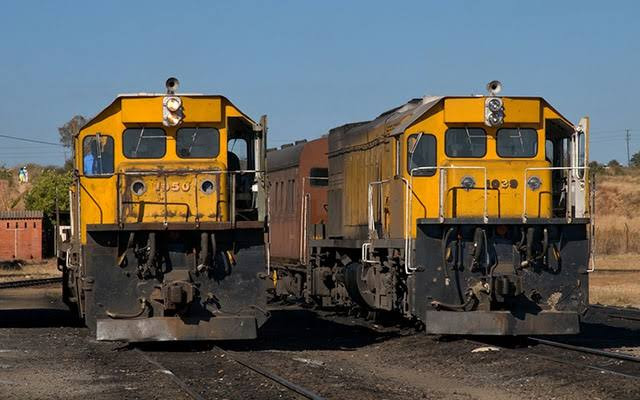
Mangudya was speaking at the commissioning of three locomotives and 100 wagons refurbished under a public-private partnership (PPP) between NRZ and Zimasco in Bulawayo this Thursday.
He said the latest project demonstrated the potential of private-sector partnerships to address Zimbabwe's rail infrastructure and rolling-stock challenges.
“The fiscal budget alone cannot shoulder the massive weight of infrastructure renewal and rolling stock overhaul. We, therefore, invited the private sector to partner with us in revitalising Zimbabwe’s rail sector,” Mangudya said.
Under the PPP model, high-capacity freight customers can invest directly in refurbishing out-of-service rolling stock in return for dedicated usage and incentivised freight rates.
Mangudya said the arrangement provided benefits to both parties, with private-sector companies gaining greater supply-chain reliability while NRZ immediately increased its operational capacity.
“I congratulate Zimasco, one of our major customers, for answering this strategic call. NRZ gains business and revenue, while Zimasco is assured of reliable movement of its ferrochrome and chrome business,” he said.
- NRZ demands stiffer penalties
- Sadc railways commemorate safety week
- Interview: ‘Locomotive tourism’ back in style
- Another bailout deal beckons for NRZ…US$120 million on the table, says Mhona
Keep Reading
The MIF chief executive said the strategic transfer of NRZ to the sovereign investment fund had resulted in an oversight approach centred on performance, commercial viability and wealth creation.
He said restoring locomotives and wagons to service was critical to the country's National Development Strategy and Vision 2030 ambitions.
“Rail remains the most cost-effective and environmentally friendly mode for bulk haulage,” Mangudya said.
“By shifting minerals and commodities back to rail, we save billions in road maintenance costs, reduce transit times and strengthen our national corridors’ performance.”
Mangudya also highlighted the role of local engineering capacity in the refurbishment programme, saying the work demonstrated that Zimbabwe had the skills required to support industrialisation.
“Local refurbishment creates engineering jobs and fosters technological self-reliance,” he said.
He, however, challenged NRZ management to maintain strict standards in the management of the refurbished assets.
“The shareholder expects absolute transparency, optimal resource utilisation and strict maintenance protocols. Preventative maintenance and faster turnaround times must remain your daily obsession,” Mangudya said.
Mangudya outlined several financing initiatives being pursued to address NRZ's immediate and long-term capacity constraints.
He said three locomotives were being refurbished under a CBZ loan facility and were expected to enter service by December 31, 2026.
MIF had also facilitated the leasing of four Sheltam locomotives to address immediate traction shortages, with plans to expand the leased fleet as business volumes increase.
A US$6 million Ecobank facility would finance the refurbishment of 520 wagons and the acquisition of maintenance equipment, he said.
In addition, an Afreximbank facility worth US$115 million would finance the procurement of 10 new locomotives, 315 wagons and the rehabilitation of key railway infrastructure.
“Collectively, these investments will improve locomotive and wagon availability, enhance network reliability and increase freight capacity,” Mangudya said.
The initiatives are being pursued alongside regional infrastructure projects, including the rehabilitation of the Machipanda-Harare railway line linking Zimbabwe with Mozambique and the Chicualacuala-Dabuka-Plumtree line under a US$10 million tripartite arrangement involving Zimbabwe, Mozambique and Botswana.
Mangudya said the projects were important to Zimbabwe's ambition of strengthening its position as a regional trade and logistics hub.
“Our ambitions extend beyond our borders. Zimbabwe sits at the geographical heart of the Southern African Development Community,” he said.
He called on other private-sector companies handling bulk cargo to adopt similar partnerships with NRZ.
“We now challenge other private sector players with bulk cargo to join this revitalisation journey and help write the next chapter of Zimbabwe’s rail history,” Mangudya said.
He said the ultimate objective was to increase NRZ's business, improve customer service and contribute to Zimbabwe's economic development targets.
“May these resources run efficiently, may they drive trade and may they power our nation toward a prosperous, empowered, upper-middle-income economy by 2030,” he said.