Dear Editor,
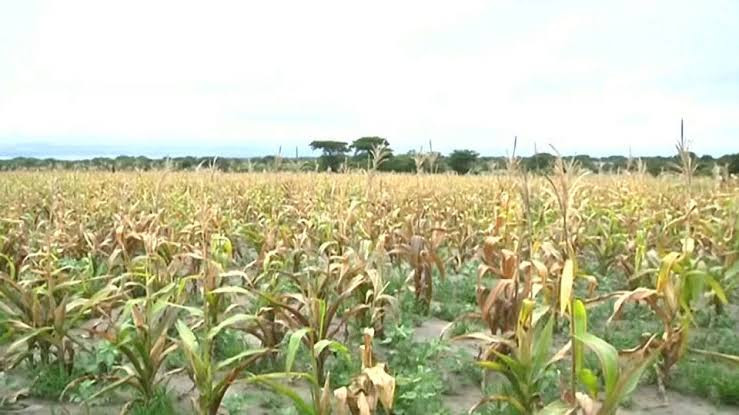
I write as a farmer from Mberengwa, a district that is highly vulnerable to erratic rainfall, prolonged dry spells and drought.
As we prepare for the coming agricultural season, there is growing concern over the possibility of an El Niño-related dry spell, which could negatively affect rainfall and place already vulnerable farming communities under severe food and economic pressure.
While weather forecasts may change and the severity of the anticipated dry conditions remains uncertain, I believe that early preparation is far better than waiting for drought to strike before responding.
We, therefore, appeal to government and agricultural authorities to urgently put in place measures that will enable farmers to prepare for a potentially difficult season.
Of particular importance is the early and timely distribution of agricultural inputs.
Farmers need access to seed, fertiliser and other essential inputs well before the onset of the rains so that planting can take place within the optimum window.
Delays in input distribution could leave farmers unable to respond quickly when rainfall eventually comes.
- Veteran football administrator Chishanga dies
- NGO ‘builds bridges’ in Mberengwa
- Vote Zanu PF, chief tells villagers
- Cops to pay US$4 500 for vandalised vehicle
Keep Reading
There is also an urgent need to promote and distribute drought-tolerant and early-maturing crops.
Farmers in dry-prone areas such as Mberengwa should be encouraged and assisted to grow varieties of small grains such as sorghum and millet, as well as other crops suited to low and erratic rainfall conditions.
Such crops can strengthen household food security when maize and other water-demanding crops fail.
Government should also accelerate investment in irrigation infrastructure and water harvesting.
Existing irrigation schemes should be rehabilitated and adequately equipped, while communities should be assisted to establish small-scale irrigation schemes, boreholes, water reservoirs, dams and other water sources.
Where possible, farmers should be supported with affordable irrigation equipment, including solar-powered systems.
In addition, authorities should intensify climate-smart agriculture training.
Farmers need practical information on conservation agriculture, moisture conservation, mulching, minimum soil disturbance, staggered planting, crop diversification and appropriate planting dates.
Such measures can help farmers make better use of limited rainfall.
A concerned farmer, Mberengwa, Midlands province